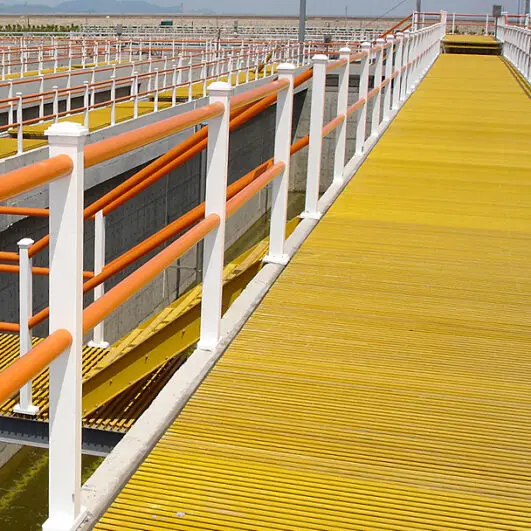
Introduction
When industrial facilities need durable, corrosion-resistant flooring that can withstand harsh chemicals, heavy foot traffic, and extreme environments, molded grating is often the material of choice. This versatile fiberglass-reinforced plastic (FRP) product has become a staple in chemical plants, food processing facilities, marine platforms, and countless other industrial settings.
But what exactly is molded grating, and why has it become so popular? This complete guide covers everything you need to know — from how it is manufactured and how it compares to pultruded alternatives, to its standard sizes, load capacities, installation methods, and maintenance tips. Whether you are a plant engineer, a procurement manager, or a contractor evaluating flooring options, this article will help you understand whether molded grating is the right solution for your project.
We will also address common questions: Is molded grating slip resistant? How much weight can it support? Is it truly corrosion resistant? And what should you do when it chips or gets damaged? Read on for answers to all these questions and more.
What Is Molded Grating?
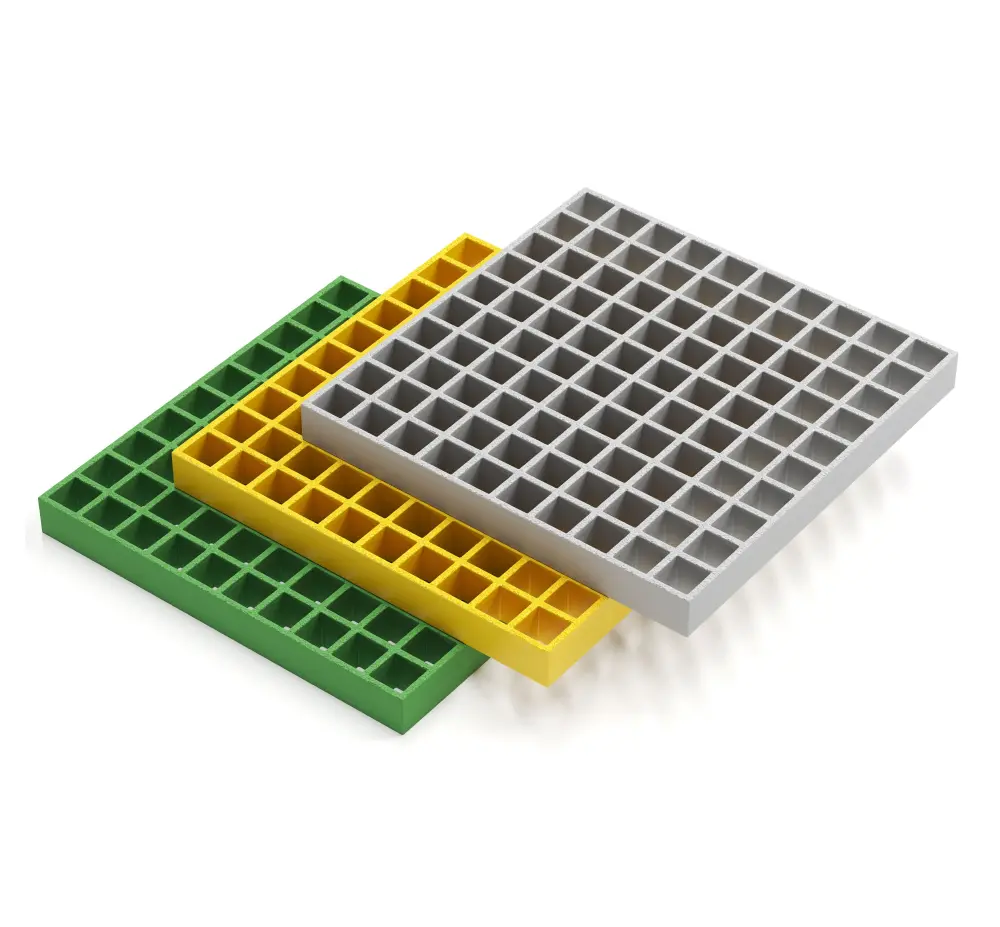
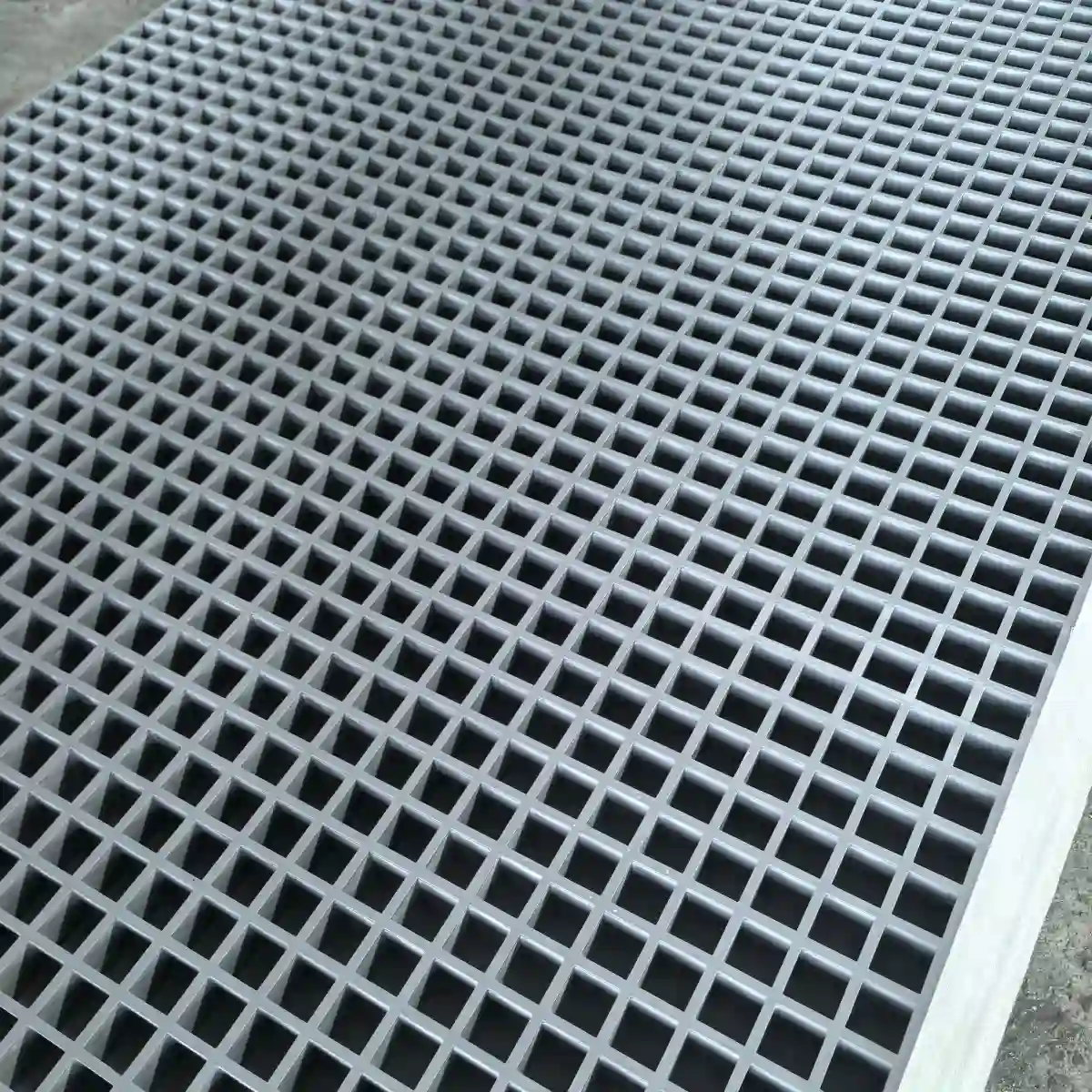
Molded grating is a type of fiberglass-reinforced plastic (FRP) grating manufactured through a compression molding process. It consists of a precise mixture of thermosetting resin, fiberglass reinforcement, and specialized additives that are combined under heat and pressure to form a one-piece, homogeneous panel. Unlike pultruded grating, which is made by pulling fibers through a die, molded grating is formed in a matched-die mold that creates an integrated mesh structure.
The result is a grating panel with excellent corrosion resistance, high strength-to-weight ratio, and inherent slip resistance — making it ideal for demanding industrial environments. Molded grating is available in a range of resin systems, including polyester, vinyl ester, and phenolic, each tailored to specific chemical exposure and temperature conditions. The standard color is typically yellow, but custom colors are available for coding or aesthetic purposes.
Molded fiberglass grating is also sometimes referred to as molded FRP grating or compression-molded grating. It is widely recognized for its ability to maintain structural integrity in corrosive environments where traditional materials like steel or aluminum would fail within months.
How Molded Grating Is Manufactured
The Compression Molding Process
Molded grating is manufactured using a compression molding process that differs significantly from pultrusion. The process begins with a carefully formulated mixture of liquid thermosetting resin, fiberglass reinforcement (typically continuous strand mat or chopped strand), fillers, pigments, and release agents. This blend is poured into a large, heated mold cavity that has been machined with the inverse pattern of the grating mesh — including the bearing bars, cross bars, and integral surface texture.
The mold is then closed under high pressure (typically several hundred tons), forcing the resin-fiber mixture to flow into every cavity of the mold pattern. Heat activates the curing agents in the resin, causing it to cross-link and harden into a solid, one-piece structure. After a precise curing cycle, the mold opens and the finished panel is removed, trimmed, and inspected.
This process allows for high-volume production of consistent, dimensionally accurate panels. One of the key advantages of compression molding is that it produces a grating with smooth, rounded edges and no sharp corners, reducing stress concentration points. The integral surface texture created by the mold also enhances slip resistance — a critical safety feature in industrial environments.
Key Characteristics of Molded Grating
Key Characteristics of Molded Grating
Understanding the defining characteristics of molded grating helps explain why it performs so well in demanding conditions:
- Corrosion resistance: Molded grating is inherently resistant to a wide range of chemicals, acids, alkalis, and solvents. The resin system can be selected to match the specific chemical environment, making it suitable for applications where steel would rapidly corrode.
- Strength-to-weight ratio: Despite being significantly lighter than steel (approximately one-fourth the weight), molded grating offers excellent load-bearing capacity. A standard panel can support substantial loads without deflection.
- Durability: The one-piece construction eliminates weak points, and the material does not rot, warp, or splinter. Molded grating performs reliably in temperatures ranging from -40°F to 200°F (-40°C to 93°C), depending on the resin system.
- Slip resistance: The molded surface texture provides excellent slip resistance under wet, oily, or greasy conditions, enhancing worker safety in industrial environments.
- Non-conductive and non-magnetic: FRP materials are electrically non-conductive and non-magnetic, making molded grating ideal for electrical substations, telecommunications facilities, and magnetic-sensitive environments.
- Low maintenance: Molded grating does not require painting, coating, or other protective treatments. Routine cleaning with water or mild detergent is typically sufficient to maintain its appearance and performance.
- Fire retardancy: Many molded grating formulations include flame-retardant additives that meet ASTM E84 Class 1 flame spread ratings, ensuring compliance with fire safety codes.
Molded Grating vs. Pultruded Grating: Key Differences
One of the most common questions we hear is: What is the difference between molded and pultruded grating? While both are types of FRP grating, they differ fundamentally in manufacturing process, structural performance, appearance, and ideal use cases.
| Feature | Molded Grating | Pultruded Grating |
|---|---|---|
| Manufacturing | Compression molded in a heated die — one-piece homogeneous panel | Fibers pulled through a resin bath and shaped die — individual bearing bars assembled with cross rods |
| Strength | Moderate strength, equal in both directions (isotropic) | Higher strength in the bearing bar direction (anisotropic) |
| Weight | Slightly heavier per square foot | Lighter due to higher glass-to-resin ratio |
| Surface | Integral textured surface molded into the panel — inherently slip resistant | Smooth surface — often requires a separate slip-resistant topping |
| Span capability | Shorter spans (typically up to 24–36 inches) | Longer spans (up to 48–60 inches or more) |
| Cost | Lower cost for standard sizes — economical for large areas | Higher cost per square foot but fewer supports may be needed |
| Best for | Chemical exposure, slip-critical areas, general industrial flooring | High-load long-span applications, platforms, walkways |
The choice between molded and pultruded grating depends on your specific requirements. If you need a cost-effective, corrosion-resistant flooring solution with excellent slip resistance for shorter spans, molded grating is the better choice. If your project requires longer unsupported spans or higher load capacity in one direction, pultruded grating may be more appropriate.
Standard Sizes and Specifications
Understanding molded grating specifications is essential for selecting the right product for your application. Standard molded grating panels are manufactured in consistent sizes and configurations, making them easy to specify, order, and install. Key molded grating specifications include panel dimensions, thickness, mesh spacing, resin type, and load capacity — all of which must match the requirements of your specific installation. Below we cover the standard panel dimensions and load capacity ratings.
Standard Panel Dimensions
Standard Panel Dimensions
Standard molded grating panels are typically manufactured in the following dimensions:
- Panel size: 4 ft × 8 ft (1220 mm × 2440 mm) is the most common. Some manufacturers also offer 4 ft × 12 ft panels for larger installations requiring fewer seams.
- Thickness: Common thicknesses include 1 inch (25 mm), 1.5 inches (38 mm), and 2 inches (50 mm). The thickness selected depends on the required load capacity and span.
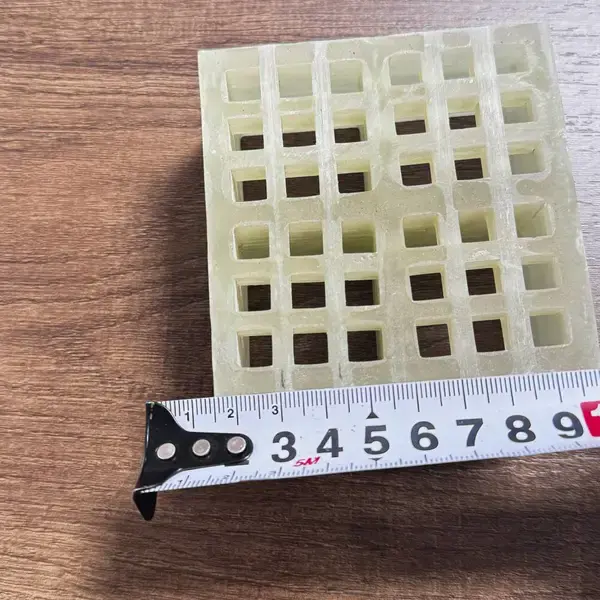
- Mesh configuration: The standard mesh pattern has 1.5-inch × 1.5-inch (38 mm × 38 mm) openings. A 1-inch × 1-inch (25 mm × 25 mm) mesh is also available for applications requiring smaller openings.
- Bearing bar depth: Matches the panel thickness — 1 inch, 1.5 inches, or 2 inches deep.
- Weight: A 1-inch thick panel weighs approximately 4.5–5.0 lbs/ft²; 1.5-inch panels weigh 6.0–6.5 lbs/ft²; and 2-inch panels weigh approximately 7.5–8.0 lbs/ft².
Custom sizes and shapes can be cut from standard panels during fabrication. Most suppliers offer cut-to-size services for non-standard dimensions or special cutouts for pipes, columns, and equipment penetrations.
Load Capacity and Weight Ratings
Load Capacity and Weight Ratings
The load capacity of molded grating depends on the panel thickness, resin formulation, glass content, and span between supports. Standard load ratings are tested in accordance with ASTM D3841 or equivalent international standards. Here are typical concentrated load capacities for a 12-inch wide strip of standard molded grating:
| Thickness | Span (in) | Deflection at 500 lb (in) | Max recommended load |
|---|---|---|---|
| 1 inch (25 mm) | 12 | 0.10 | 750 lb |
| 1 inch (25 mm) | 18 | 0.28 | 500 lb |
| 1 inch (25 mm) | 24 | 0.55 | 350 lb |
| 1.5 inch (38 mm) | 18 | 0.12 | 1,200 lb |
| 1.5 inch (38 mm) | 24 | 0.25 | 900 lb |
| 1.5 inch (38 mm) | 30 | 0.48 | 600 lb |
| 2 inch (50 mm) | 24 | 0.15 | 1,500 lb |
| 2 inch (50 mm) | 36 | 0.40 | 1,000 lb |
These values are approximate and may vary by manufacturer. Always consult the specific product data sheet for your chosen molded fiberglass grating product. For pedestrian walkways, 1-inch thick panels on 18-inch centers are typically sufficient. For light vehicle traffic or heavy equipment access, 1.5-inch or 2-inch thick panels with closer support spacing are recommended.
Industrial Applications of Molded Grating
Molded grating is widely used across numerous industries thanks to its exceptional chemical resistance, durability, and safety features. Its ability to perform in harsh environments makes it a preferred choice for molded grating for industrial flooring in facilities where corrosion, moisture, and chemical exposure are daily challenges. When you need a reliable flooring solution that withstands aggressive conditions, molded grating for industrial flooring delivers outstanding long-term value compared to traditional metal alternatives.
Chemical Processing and Refineries
Chemical Processing and Refineries
Chemical plants and oil refineries are among the largest consumers of molded grating for industrial flooring. In these environments, floors are constantly exposed to aggressive chemicals including sulfuric acid, hydrochloric acid, caustic soda, solvents, and hydrocarbon compounds. Steel grating would corrode rapidly in these conditions, requiring frequent replacement. Molded grating, particularly when manufactured with vinyl ester resin, offers outstanding resistance to a broad range of chemicals and can last for decades with minimal maintenance.
Common applications in this sector include:
- Chemical storage area flooring
- Process platform walkways
- Drainage trench covers
- Cooling tower decking
- Loading dock areas
- Spill containment flooring
The non-sparking property of FRP materials also makes molded grating panels suitable for use in hazardous areas where flammable gases or vapors may be present.
Food Processing, Marine and Other Industries
Food Processing, Marine and Other Industries
Beyond chemical processing, molded grating serves many other industrial sectors:
Food and Beverage Processing: In food plants, molded fiberglass grating provides a hygienic, slip-resistant flooring solution that resists the acids and cleaning agents used in washdown procedures. The non-porous surface does not harbor bacteria, and the open mesh design allows fluids to drain through, keeping walking surfaces cleaner and safer. It is commonly used in meat processing, breweries, dairies, and commercial kitchens.
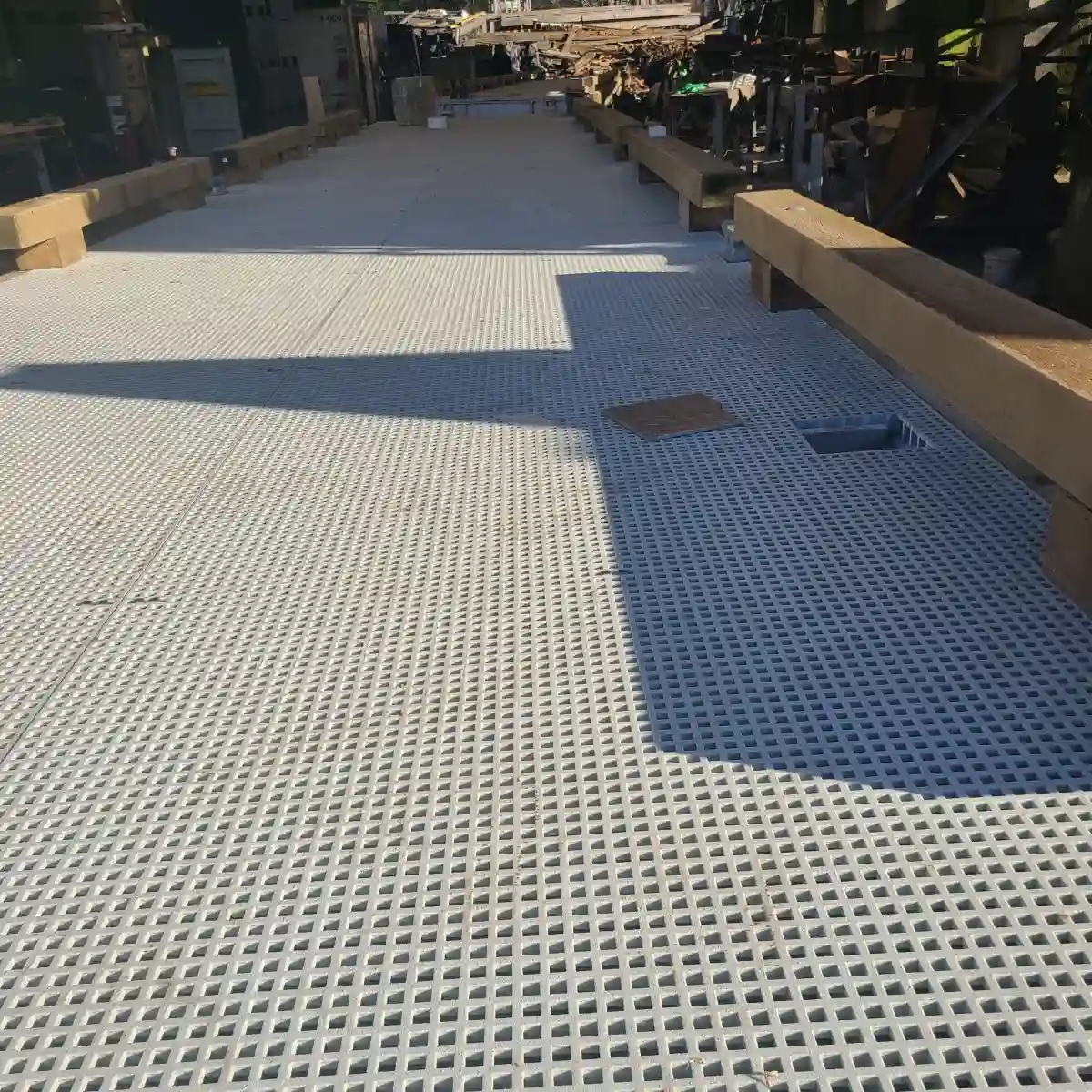
Marine and Offshore: The marine environment — with its constant exposure to saltwater, UV radiation, and humidity — is extremely corrosive to metals. Molded grating panels perform exceptionally well on ship decks, offshore oil platforms, docks, and piers. The material does not rust, rot, or degrade from saltwater exposure, and its lightweight nature simplifies installation on floating structures.
Water and Wastewater Treatment: Treatment plants use molded grating for walkways over clarifiers, filter beds, and chemical dosing areas. Its resistance to chlorine, ozone, and other treatment chemicals makes it ideal for these wet environments.
Power Generation: Both conventional and nuclear power plants use molded grating for cooling tower decking, cable tray walkways, and turbine deck platforms.
Electronics and Pharmaceuticals: These cleanroom environments benefit from the non-shedding, non-corrosive, and easy-to-clean properties of molded fiberglass grating.
Safety Features: Slip Resistance and Corrosion Resistance
Two of the most important considerations when selecting industrial flooring are safety and durability. Molded grating excels in both areas, making it a trusted choice for facilities that prioritize worker protection and long-term performance.
Slip Resistance
Yes, molded grating is inherently slip resistant and safe for walking. Unlike smooth metal gratings, molded grating features an integral textured surface created directly by the mold. This surface texture provides reliable slip resistance even when the grating is wet, oily, or covered with process residue. Many molded grating products meet or exceed ASTM E303 slip resistance standards, and the open mesh design allows liquids and debris to fall through rather than accumulating on the walking surface.
For areas requiring even greater slip resistance, some manufacturers offer molded grating with a concave or grit-top surface. These specialized surfaces provide additional traction in extreme conditions such as grease-laden food processing areas or icy outdoor platforms.
Corrosion Resistance
Is molded grating corrosion resistant? Absolutely. Corrosion resistance is one of the defining advantages of molded FRP grating. The thermosetting resin matrix completely encapsulates the fiberglass reinforcement, preventing moisture and chemicals from reaching the fibers. This means molded grating will not rust, rot, or otherwise degrade from corrosive exposure.
The level of corrosion resistance depends on the resin system:
- Polyester resin: Good resistance to mild acids, alkalis, and organic compounds. Suitable for general industrial use.
- Vinyl ester resin: Excellent resistance to strong acids, bleaches, and oxidizing agents. Preferred for chemical plants and pulp and paper facilities.
- Phenolic resin: Superior fire resistance and low smoke generation, with good chemical resistance. Often specified in offshore and mining applications.
When selecting molded grating, always consult the manufacturer chemical resistance guide to ensure the chosen resin system is compatible with the specific chemicals present in your facility.
How to Install Molded Grating Panels
Molded grating panels are designed for straightforward installation, but proper techniques are essential for achieving maximum performance and safety. Here is a step-by-step overview of how to install molded grating panels:
Tools and Materials Needed
- Molded grating panels (cut to size if needed)
- Support structure (steel, fiberglass, or concrete framing)
- Grating clips or fasteners (stainless steel or FRP)
- Cutting tools (carbide-tipped saw blades or abrasive cutoff wheels)
- Drill with carbide-tipped bits for bolt holes
- Personal protective equipment (PPE)
Installation Steps
1. Prepare the support structure: Ensure that support beams are level, properly aligned, and spaced at intervals appropriate for the grating thickness and load requirements. Maximum recommended support spacing for 1-inch molded grating is typically 18–24 inches on center.
2. Cut panels to size: Measure the installation area carefully and cut panels using a carbide-tipped saw blade or abrasive cutoff wheel. Always wear a dust mask and eye protection when cutting FRP materials. Deburr cut edges with sandpaper to remove any loose fibers.
3. Position the panels: Place the grating panels onto the support structure with the textured surface facing up. Ensure that bearing bars run perpendicular to the support beams for maximum load capacity. Leave a 1/8-inch to 1/4-inch gap between panels to allow for drainage and thermal expansion.
4. Secure the panels: Use grating clips, tie-downs, or bolt-down systems to secure each panel to the support structure. Stainless steel clips are recommended for corrosive environments. Install fasteners every 12–18 inches along the perimeter and at intermediate supports as needed.
5. Cut openings for penetrations: For pipes, columns, or equipment passing through the grating, measure and cut openings carefully. Use a jigsaw with a carbide blade for cutouts. Reinforce cut edges with a support frame if the opening removes significant load-bearing material.
6. Final inspection: Walk the entire installed area to check for loose panels, sharp edges, or unstable sections. Tighten any loose fasteners and verify that all panels are securely anchored.
Maintenance: Why Molded Grating Chips and How to Repair It
Molded grating is a durable material, but like all industrial products, it can experience wear and damage over time. One concern some users raise is chipping — particularly along cut edges or in areas subject to heavy impact.
Why Does Molded Grating Chip?
Chipping in molded grating typically occurs for one of the following reasons:
- Impact damage: Dropping heavy tools, equipment, or materials onto the grating surface can cause localized chipping, especially at the edges of the mesh openings.
- Improper cutting: Using incorrect cutting tools (such as standard wood blades) can create rough, chipped edges. Always use carbide-tipped blades for clean cuts.
- Thermal stress: Extreme temperature fluctuations or exposure to temperatures beyond the resin rated range can cause micro-cracking that progresses to chipping.
- Chemical attack: While molded grating is chemically resistant, exposure to incompatible chemicals can soften the resin matrix, making it more susceptible to chipping under mechanical stress.
- Aging: UV exposure over many years can cause surface degradation of the resin, leading to a chalky appearance and increased brittleness.
How to Repair Chipped Molded Grating
Minor chips and surface damage can be repaired without replacing the entire panel. Follow these steps:
1. Clean the area: Remove any loose debris, dust, or grease from the damaged area using a solvent such as acetone or isopropyl alcohol.
2. Sand the edges: Lightly sand the chipped area with 80-120 grit sandpaper to smooth rough edges and create a bonding surface for the repair material.
3. Apply repair resin: Mix a small batch of compatible FRP repair resin (polyester or vinyl ester, matching the original resin system). Apply it to the chipped area using a small brush or spatula.
4. Add filler if needed: For larger chips, mix the resin with chopped fiberglass strand or a compatible filler to build up the missing material. Apply in thin layers, allowing each layer to cure before adding the next.
5. Sand and finish: Once the repair has fully cured, sand the area smooth with progressively finer sandpaper (120 to 220 grit). For cosmetic purposes, a gel coat can be applied to match the original color.
For severe damage — such as cracks that extend across multiple mesh openings or structural deformation — panel replacement is recommended rather than repair.
Conclusion
Molded grating is a proven, reliable, and cost-effective solution for industrial flooring and walkway applications. Its unique combination of corrosion resistance, slip safety, lightweight construction, and low maintenance makes it a standout choice for demanding environments across chemical processing, food manufacturing, marine, water treatment, power generation, and many other industries.
In this guide, we have covered the key aspects you need to know:
- What molded grating is and how it is manufactured through compression molding
- How it compares to pultruded grating and when to choose each type
- The standard sizes, specifications, and load capacities available
- Where it is used in industrial applications
- How to install molded grating panels correctly
- Why chipping can occur and how to perform basic repairs
- Its slip resistance and corrosion resistance properties
When selecting molded fiberglass grating for your project, always work with a reputable manufacturer who can provide detailed product data sheets, chemical resistance guides, and load tables specific to their products. Proper material selection, combined with correct installation and basic maintenance, will ensure your molded grating panels deliver decades of trouble-free service.
If you are evaluating molded grating for an upcoming project, consider your specific chemical exposure, load requirements, support spacing, and safety needs. With the right specifications, molded grating can outperform traditional materials in both safety and total cost of ownership.