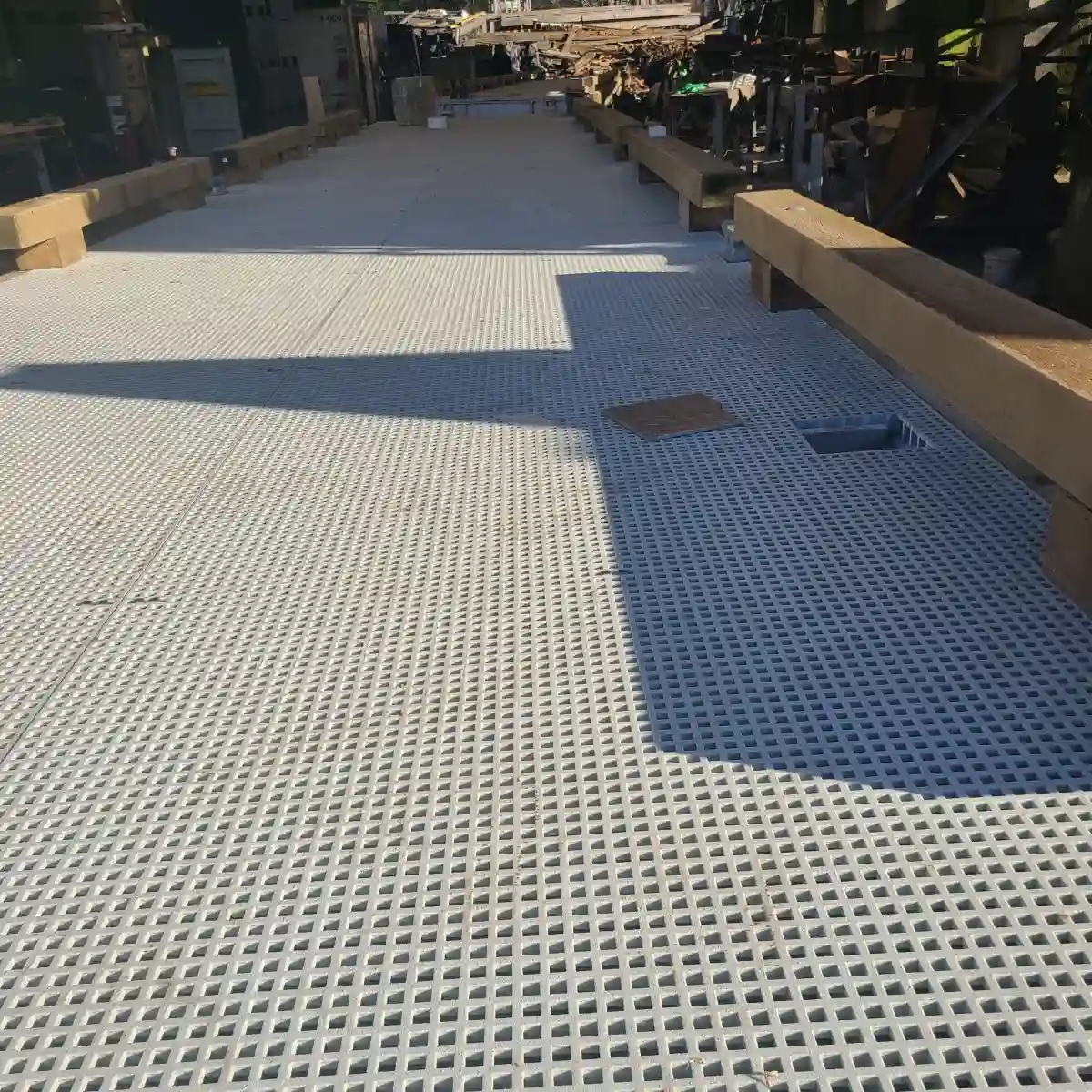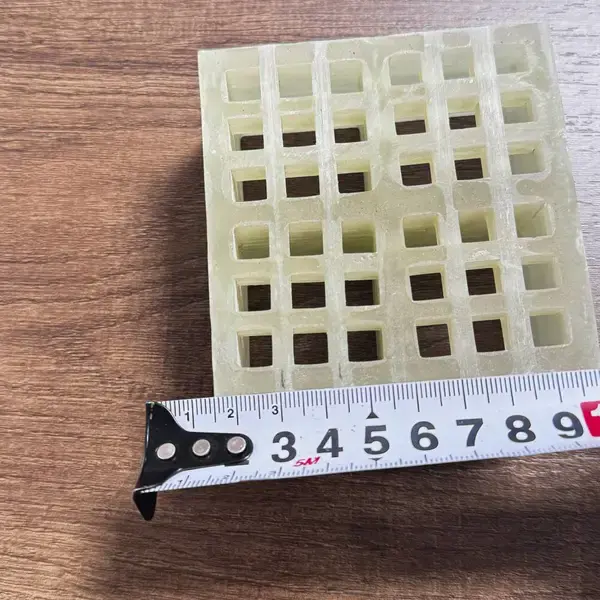
Introduction
Industrial facilities face an ongoing battle against chemical attacks, moisture intrusion, and physical wear on their floor surfaces. Corrosion resistant flooring is a specialized surface system designed to withstand exposure to harsh chemicals, acids, solvents, and extreme cleaning regimens while maintaining its structural integrity for years. Unlike standard concrete or tile floors that degrade quickly in aggressive environments, these advanced flooring solutions provide a durable barrier that protects both the substrate and the people working on it.
From chemical processing plants and pharmaceutical laboratories to food processing facilities and automotive workshops, the demand for reliable industrial corrosion resistant flooring has never been higher. Facility managers and engineers must navigate a complex landscape of material options, installation methods, and cost considerations to find the right solution for their specific application. This comprehensive guide covers everything you need to know about corrosion resistant flooring — including the different types available, how they compare to standard flooring, installation best practices, cost factors, and industry-specific recommendations to help you make an informed decision.
Whether you are building a new facility or upgrading an existing one, understanding the fundamentals of chemical resistant flooring and acid resistant flooring will save you time, money, and operational headaches down the road.
What Is Corrosion Resistant Flooring?
Corrosion resistant flooring refers to a category of floor surfacing systems engineered to resist degradation caused by chemical exposure, moisture, thermal shock, and mechanical abrasion. These systems go far beyond standard concrete sealers or paint coatings — they are multi-layer constructions that form a dense, non-porous barrier between the concrete substrate and the aggressive environment above.
The primary function of corrosion resistant flooring is to prevent corrosive substances from penetrating the floor surface and attacking the underlying concrete. When chemicals such as sulfuric acid, hydrochloric acid, caustic soda, or industrial solvents come into contact with unprotected concrete, they initiate a chemical reaction that causes spalling, cracking, and structural weakening. Over time, this degradation can lead to costly repairs, production downtime, and even safety hazards for workers.
Modern corrosion resistant flooring systems typically consist of three key layers:
- Primer layer: A penetrating sealer that bonds the system to the concrete substrate and prevents moisture vapor transmission.
- Body coat layer: The main build-up layer that provides chemical resistance and mechanical strength — often composed of epoxy, polyurethane, or vinyl ester resins.
- Top coat or sealer layer: A protective finish that resists UV exposure (if applicable), enhances cleanability, and provides slip resistance.
The specific resin chemistry, aggregate selection, and application thickness all play critical roles in determining the final performance characteristics of the flooring system. This is why selecting the right industrial corrosion resistant flooring requires careful evaluation of the chemicals present, temperature ranges, traffic loads, and regulatory requirements specific to each facility.
Types of Corrosion Resistant Flooring
Choosing the right corrosion resistant flooring system depends heavily on the specific chemical exposure, temperature conditions, mechanical loads, and hygiene requirements of your facility. Below are the most common types of corrosion resistant flooring used across industrial and commercial applications. Each type offers distinct advantages and trade-offs in terms of chemical resistance, durability, installation complexity, and cost.
Epoxy Flooring Systems
Corrosion resistant epoxy flooring is one of the most widely used solutions for industrial environments due to its excellent adhesion, high compressive strength, and broad chemical resistance profile. Epoxy systems are thermosetting polymers that cure into a dense, impermeable membrane capable of withstanding a wide range of acids, alkalis, solvents, and salts.
Common variations of epoxy flooring include:
- Self-leveling epoxy: Ideal for creating smooth, seamless surfaces in laboratories, clean rooms, and food processing facilities. It self-levels to eliminate trowel marks and provides excellent chemical resistance.
- Epoxy mortar systems: Mixed with silica sand or aggregate for heavy-duty applications requiring high impact resistance. These are commonly used in chemical plants and warehouses.
- Epoxy flake systems: Decorative yet functional, these systems incorporate colored vinyl flakes for slip resistance and aesthetic appeal while maintaining strong chemical protection.
- Conductive/anti-static epoxy: Designed for electronics manufacturing and explosive environments where static discharge must be controlled.
Epoxy flooring typically handles continuous exposure to temperatures up to 140°F (60°C) and offers excellent resistance to organic acids, alkalis, and petroleum products. However, it may not perform well under thermal shock conditions or with highly concentrated oxidizing acids, where alternative systems like vinyl ester are preferred.
Polyurethane and Polyaspartic Flooring
Polyurethane and polyaspartic flooring systems offer superior flexibility and UV stability compared to epoxy, making them excellent choices for environments that experience thermal cycling or direct sunlight exposure. These chemical resistant flooring systems maintain their performance properties across a wider temperature range than epoxy and are particularly effective in food and beverage processing facilities where hot water washdowns are routine.
Key advantages of polyurethane flooring include:
- Thermal shock resistance: Polyurethane can withstand rapid temperature swings from -20°F to 250°F (-29°C to 121°C), making it ideal for freezers, blast chillers, and hot washdown areas.
- Flexibility: Unlike rigid epoxy systems, polyurethane remains somewhat flexible, allowing it to absorb substrate movement without cracking.
- Fast cure times: Polyaspartic formulations can cure in as little as one hour, minimizing facility downtime during installation.
- UV stability: Polyurethane does not yellow or chalk when exposed to sunlight, making it suitable for outdoor or sunlit areas.
Polyurethane and polyaspartic systems are commonly used in food processing plants, breweries, pharmaceutical facilities, and refrigerated warehouses. They offer good resistance to organic acids, alkalis, and cleaning chemicals, though they may not match epoxy's performance against concentrated solvents and aggressive acids.
Vinyl Ester Flooring
Vinyl ester flooring represents the highest tier of acid resistant flooring performance among resin-based systems. These formulations are specifically engineered to withstand highly concentrated acids, oxidizing chemicals, and aggressive solvents that would rapidly degrade epoxy or polyurethane systems. Vinyl ester resins combine the chemical resistance of polyester resins with the mechanical strength of epoxy, creating a flooring system that excels in the most demanding chemical environments.
Applications where vinyl ester flooring is the preferred choice include:
- Chemical storage and containment areas: Secondary containment dikes, tank farm floors, and chemical loading/unloading zones where concentrated acid spills are possible.
- Battery rooms: Areas where sulfuric acid from lead-acid batteries frequently contacts the floor surface.
- Metal plating facilities: Environments involving chromic acid, nitric acid, and other highly corrosive plating bath chemicals.
- Chlorine and caustic production areas: Facilities where both strong acids and strong alkalis are present.
Vinyl ester flooring systems are typically installed in thicker builds (3/16 to 1/4 inch or more) and can incorporate fiberglass reinforcement for additional structural integrity. They offer excellent thermal resistance up to 300°F (149°C) for certain formulations, though they tend to be more brittle than polyurethane and require professional installation with careful attention to substrate preparation and cure conditions.
Acid-Resistant Brick Flooring
For the most extreme chemical exposure conditions, acid-resistant brick flooring remains the gold standard. This system consists of acid-proof brick or tile set in a chemical-resistant mortar and grout over a membrane or direct-bonded to a reinforced substrate. Acid resistant flooring of this type has been used for over a century in chemical processing and heavy industrial applications where no resin-based system can provide adequate long-term protection.
Typical components of an acid-resistant brick flooring system include:
- Acid-proof bricks or tiles: Fired clay or carbon bricks that are virtually impervious to chemical attack. Carbon bricks are used where hydrofluoric acid is present, as they resist the acid that attacks silica-based materials.
- Chemical-resistant mortar: Furane, silicate, or sulfur-based mortars that bond the bricks together and resist the specific chemicals present.
- Membrane or underlayment: A liquid-applied or sheet membrane beneath the brick layer that provides secondary containment in case of mortar joint penetration.
Acid-resistant brick flooring is the preferred solution for pickling lines, acid etching areas, chemical reactor rooms, and pharmaceutical manufacturing floors where concentrated acids and high-temperature exposures are routine. While it is the most expensive corrosion resistant flooring option, its service life can exceed 20-30 years with proper installation and maintenance, making it cost-effective for permanent, high-risk applications.
Corrosion Resistant Flooring vs Standard Flooring
When evaluating corrosion resistant flooring vs standard flooring, the differences extend far beyond surface appearance. Standard concrete floors, even when sealed with basic acrylic coatings, lack the chemical resistance, density, and durability required for industrial environments where corrosive substances are present. Understanding these differences is critical for making the right flooring investment.
| Property | Corrosion Resistant Flooring | Standard Concrete Flooring |
|---|---|---|
| Chemical resistance | Withstands acids, alkalis, solvents at various concentrations | Rapidly degrades with acid exposure; porous surface absorbs chemicals |
| Impermeability | Non-porous; prevents liquid penetration to substrate | Porous; liquids penetrate, causing staining and structural damage |
| Surface durability | High compressive and impact strength; resists abrasion | Prone to dusting, spalling, and cracking under chemical attack |
| Cleanability | Seamless surfaces are easy to clean and sanitize | Pores trap contaminants; difficult to achieve hygiene standards |
| Temperature tolerance | Resists thermal shock up to 300°F depending on system | Prone to cracking from freeze-thaw and hot water exposure |
| Installation cost | $5–$25 per square foot depending on system | $2–$5 per square foot for basic concrete |
| Service life | 10–30 years with proper maintenance | 2–5 years in corrosive environments before major repairs needed |
The comparison clearly shows that while standard flooring has a lower upfront cost, the total cost of ownership for corrosion resistant flooring is significantly lower in aggressive environments due to reduced repairs, longer service intervals, and minimized production downtime. Industries that handle chemicals, food products, or pharmaceuticals simply cannot rely on standard concrete or tile flooring to meet safety, hygiene, and regulatory requirements.
Industries That Need Corrosion Resistant Flooring
A wide range of industries require specialized industrial corrosion resistant flooring to maintain safe, compliant, and efficient operations. The common thread across all these sectors is the routine presence of chemicals, moisture, or extreme cleaning agents that would rapidly destroy standard flooring materials.
Chemical processing and manufacturing: Chemical plants handle raw acids, alkalis, solvents, and reactive intermediates on a daily basis. Floors in these facilities must contain spills, resist chemical attack, and provide a non-slip surface even when wet. Both bulk chemical production plants and specialty chemical manufacturers rely on chemical resistant flooring to protect concrete substrates from catastrophic degradation.
Pharmaceutical and biotechnology: GMP (Good Manufacturing Practice) regulations require seamless, cleanable, and chemical-resistant flooring in production areas. These floors must withstand aggressive sanitization protocols including hydrogen peroxide vapor, bleach, and quaternary ammonium compounds while maintaining a sterile environment.
Food and beverage processing: USDA and FDA regulations mandate flooring that can withstand hot water washdowns, organic acids (citric, lactic, acetic), caustic cleaning agents, and enzymatic cleaners. Breweries, dairy plants, meat processing facilities, and commercial kitchens all benefit from polyurethane or epoxy flooring systems that provide both chemical resistance and slip resistance.
Automotive and aerospace manufacturing: These facilities deal with oils, hydraulic fluids, coolants, degreasers, and occasionally acids for metal treatment. Corrosion resistant epoxy flooring provides the necessary protection while creating a clean, professional appearance for manufacturing floors and maintenance bays.
Wastewater treatment and utilities: Hydrogen sulfide gas produced by decomposing organic matter converts to sulfuric acid in moist environments, aggressively attacking concrete floors and containment structures. Corrosion resistant flooring systems are essential in pump stations, treatment basins, and chemical feed areas.
Power generation: Both fossil fuel and nuclear power plants use aggressive chemicals for water treatment, cooling tower maintenance, and battery storage areas. The flooring in these facilities must resist acid spills, thermal cycling, and heavy equipment loads.
Laboratories and research facilities: University, government, and private research labs handle a vast array of chemicals in controlled settings. Epoxy and polyurethane flooring systems provide the chemical resistance, seamless construction, and easy cleanability that laboratory environments demand.
Corrosion Resistant Flooring Cost Guide
Understanding how much does corrosion resistant flooring cost is essential for budgeting any industrial flooring project. Prices vary significantly based on the type of system selected, the thickness of the installation, site preparation requirements, and geographic location. Below is a detailed breakdown of how much does corrosion resistant flooring cost per square foot for the most common system types.
| Flooring Type | Cost Range (per sq ft) | Typical Thickness | Service Life |
|---|---|---|---|
| Self-leveling epoxy | $5 – $10 | 1/8 – 1/4 in | 10–15 years |
| Epoxy mortar systems | $8 – $15 | 1/4 – 3/8 in | 15–20 years |
| Polyurethane systems | $7 – $14 | 1/8 – 1/4 in | 10–15 years |
| Polyaspartic systems | $8 – $16 | 1/8 – 3/16 in | 10–15 years |
| Vinyl ester systems | $12 – $20 | 3/16 – 1/4 in | 15–20 years |
| Acid-resistant brick | $15 – $25 | 1 – 2 in | 20–30+ years |
Additional cost factors that can significantly impact the final project price include:
- Substrate preparation: Concrete repair, diamond grinding, shot blasting, and crack filling can add $1–$4 per square foot depending on the condition of the existing floor.
- Chemical resistance level: Higher chemical resistance typically requires more expensive resin systems and greater installation expertise.
- Thermal requirements: Systems rated for higher temperature exposure or thermal cycling command premium pricing.
- Surface preparation requirements: Vapor barriers, moisture mitigation, or the removal of existing coatings can add substantial costs.
- Accessibility: Confined spaces, elevated areas, or facilities with limited access increase labor costs.
- Downtime constraints: Facilities that require overnight or weekend installations to minimize production losses may incur overtime labor charges.
While the upfront cost of corrosion resistant flooring is higher than standard flooring options, the total cost of ownership calculation strongly favors specialty systems in corrosive environments. The combination of reduced maintenance, longer service intervals, and elimination of premature replacement costs delivers a strong return on investment over the life of the facility.
How to Install Corrosion Resistant Epoxy Flooring
Proper installation is critical to the performance and longevity of corrosion resistant flooring. Whether you are applying corrosion resistant epoxy flooring or another resin-based system, following the correct installation sequence ensures optimal adhesion, chemical resistance, and durability. Here is the standard installation process.
Surface Preparation
The single most important factor in any corrosion resistant flooring installation is proper surface preparation. The concrete substrate must be clean, dry, and profiled to accept the coating. This is typically achieved through mechanical abrasion methods such as diamond grinding or shot blasting, which remove surface contaminants and create a rough profile for mechanical adhesion. All cracks, spalls, and damage must be repaired with appropriate epoxy or cementitious patching compounds. Moisture testing is essential — concrete moisture vapor emissions exceeding 3 lbs per 1,000 sq ft per 24 hours can cause coating delamination.
Primer Application
Once the surface is prepared, a penetrating epoxy primer is applied to seal the concrete and provide a bonding layer for subsequent coats. The primer saturates the surface pores and creates a uniform substrate for the body coat system. In high-moisture environments, a moisture-tolerant primer may be required.
Body Coat Installation
The main corrosion-resistant layer is then installed according to the manufacturer's specifications. For self-leveling systems, the mixed epoxy is poured onto the floor and spread using gauge rakes and spiked rollers to remove entrapped air. For mortar systems, the epoxy is mixed with aggregate and troweled to the desired thickness. Multiple body coats may be required for high-chemical-resistance applications.
Top Coat and Finish
A chemical-resistant top coat is applied to seal the system and provide the final surface properties. This layer may include slip-resistant aggregates if required for safety. For how to install corrosion resistant flooring in chemical plants, additional considerations include cove bases (curved transitions from floor to wall), containment curbs, and expansion joint treatments to maintain chemical containment integrity.
Curing
Proper curing conditions — temperature between 60°F and 85°F (15°C to 29°C), humidity below 75%, and adequate ventilation — are essential for achieving full chemical resistance. Cure times range from 24 hours for polyaspartic systems to 7 days for full chemical cure of standard epoxies. Facilities should plan for downtime accordingly to protect the newly installed floor from traffic and chemical exposure during this period.
Post-Installation Inspection
After curing, the flooring should be inspected for pinholes, bubbles, thin spots, and proper film thickness. Spark testing can verify the integrity of the membrane, and chemical spot tests can confirm adequate cure before returning the floor to service. Properly installed corrosion resistant flooring provides decades of reliable service, while installation defects can lead to premature failure within months.
How to Choose Corrosion Resistant Flooring for Chemical Plants
How to choose corrosion resistant flooring for chemical plants is one of the most common questions facility managers face, and the answer depends on a systematic evaluation of several critical factors. Chemical plants present the most demanding environments for industrial flooring, with concentrated acids, aggressive solvents, thermal cycling, and heavy equipment traffic all being daily realities.
Here is a step-by-step framework for selecting the best corrosion resistant flooring for chemical plants:
1. Characterize Chemical Exposure
Create a complete inventory of all chemicals that could contact the floor, including their concentrations, temperatures, and frequency of exposure. A single facility may need different flooring systems in different zones. For example, a vinyl ester system may be required in the acid storage area while a polyurethane system suffices in the packaging area. Always review Safety Data Sheets (SDS) and consult chemical resistance charts provided by flooring manufacturers.
2. Evaluate Physical Demands
Consider fork truck traffic, heavy equipment loads, impact from dropped tools or materials, thermal cycling from hot processes or steam cleaning, and UV exposure in outdoor areas. These physical factors are as important as chemical resistance in determining the appropriate system thickness and reinforcement.
3. Assess Regulatory and Safety Requirements
Chemical plants must comply with EPA secondary containment regulations, OSHA safety standards, and often industry-specific codes such as NFPA 30 for flammable liquid storage. The flooring system must provide adequate containment, fire resistance, and slip resistance to meet these requirements.
4. Determine Temperature Operating Range
Temperature affects both the chemicals being handled and the flooring material itself. Hot chemical spills, steam cleaning, and nearby process equipment can create localized high temperatures that exceed the thermal limits of standard epoxy systems, requiring vinyl ester or polyurethane alternatives.
5. Consider Maintenance and Service Life
Budget constraints are always a factor, but the cheapest option is rarely the most cost-effective. Evaluate the total cost of ownership including expected service life, maintenance requirements, and the cost of production downtime for repairs or replacement. For critical areas in chemical plants, investing in premium systems like vinyl ester or acid-resistant brick typically provides the lowest lifetime cost.
What is the best corrosion resistant flooring for chemical plants? For general chemical processing areas with mixed acid and solvent exposure, a vinyl ester system offers the best balance of performance and cost. For areas handling hydrofluoric acid or extreme temperatures, acid-resistant carbon brick is the proven solution. For moderate chemical exposure areas where thermal shock resistance is important, polyurethane systems deliver excellent performance. The key is matching the flooring system to the specific chemical, thermal, and mechanical demands of each zone within the facility.
Why Industrial Flooring Corrodes and How to Prevent It
Why does industrial flooring corrode and how to prevent it? Understanding the mechanisms of floor corrosion is the first step toward implementing effective prevention strategies. Industrial flooring fails through a combination of chemical, physical, and environmental attack vectors that degrade both the coating system and the underlying concrete substrate.
Chemical Attack Mechanisms
The primary cause of corrosion in industrial flooring is chemical attack. When acidic or alkaline substances contact unprotected concrete, they initiate a chemical reaction that breaks down the calcium hydroxide in the cement matrix. Sulfuric acid, for example, reacts with concrete to form gypsum, causing the surface to soften and spall. Hydrochloric acid dissolves concrete outright, creating pitting and surface erosion. Even seemingly mild substances like fruit juices, cooking oils, and cleaning agents can cause long-term degradation if not properly managed.
Physical Attack Mechanisms
Physical wear accelerates corrosion by compromising the protective surface layer. Heavy fork truck traffic abrades floor coatings, exposing the underlying substrate to chemical attack. Thermal cycling from hot processes or steam cleaning creates micro-cracks in rigid coatings that allow chemicals to penetrate. Impact damage from dropped tools, drums, or equipment creates breach points that become entry portals for corrosive substances.
Moisture and Vapor Drive
Moisture is often an overlooked contributor to floor corrosion. High hydrostatic pressure beneath concrete slabs forces moisture vapor through the substrate, carrying dissolved minerals and alkali salts. When this vapor contacts the coating system, it can cause osmotic blistering, delamination, and coating failure — all of which expose the floor to chemical attack.
Prevention Strategies
Effective prevention of industrial floor corrosion requires a multi-layered approach:
- Select the right system: Match the flooring material to the specific chemical, thermal, and mechanical demands of each area. Do not use a single system across an entire facility without considering zone-specific requirements.
- Invest in quality surface preparation: 80% of coating failures are attributed to inadequate surface preparation. Proper profiling, cleaning, and moisture mitigation are essential before any coating is applied.
- Implement proper drainage: Standing chemicals accelerate floor degradation. Design floors with adequate slope (1/8 inch per foot minimum) toward chemical-resistant drainage systems to minimize chemical contact time.
- Establish a maintenance program: Regular inspections, prompt repair of damaged areas, and periodic recoating of wearing surfaces extend the service life of chemical resistant flooring systems significantly.
- Use containment strategies: Secondary containment dikes, drip pans, and chemical storage cabinets reduce the frequency and severity of chemical exposure on floor surfaces.
By understanding why industrial flooring corrodes and implementing these prevention strategies, facility managers can dramatically extend the service life of their flooring investment while maintaining safe, compliant operations.
What Causes Corrosion Resistant Flooring to Fail?
Even properly selected and installed corrosion resistant flooring can fail prematurely. Understanding what causes corrosion resistant flooring to fail helps facility managers identify problems early and take corrective action before minor issues become major failures requiring complete floor replacement.
Surface Preparation Deficiencies
The most common cause of corrosion resistant flooring failure is inadequate surface preparation. When the concrete substrate is not properly cleaned, profiled, or dried, the coating system cannot achieve sufficient adhesion. This leads to delamination — the separation of the coating from the concrete — which allows chemicals to migrate beneath the flooring and attack the substrate. Contaminants such as oil, grease, curing compounds, and laitance must be completely removed before any coating is applied.
Moisture Vapor Transmission
Excessive moisture vapor from the concrete slab is a leading cause of failure in resin-based flooring systems. When moisture vapor pressure exceeds the adhesion strength of the coating, blisters form beneath the surface. These blisters eventually rupture, creating pathways for chemical intrusion. Calcium chloride vapor emission testing (ASTM F1869) or relative humidity testing (ASTM F2170) should always be performed before installation to determine if moisture mitigation measures are needed.
Thermal and Mechanical Stress
Flooring systems exposed to temperatures beyond their rated limits may soften, blister, or lose chemical resistance. Rigid epoxy systems are particularly vulnerable to thermal shock — rapid temperature changes that cause differential expansion and contraction between the coating and the substrate, leading to cracking. Similarly, point loading from heavy equipment or impact damage can create localized failures that propagate over time.
Incompatible Chemical Exposure
Not all corrosion resistant flooring systems are resistant to all chemicals. A system that performs excellently against organic acids may fail rapidly when exposed to concentrated mineral acids or certain solvents. Chemical resistance charts must be consulted for each specific chemical present in the facility, considering concentration, temperature, and duration of contact.
Application Errors During Installation
Incorrect mixing ratios, inadequate mixing time, application outside recommended temperature/humidity windows, improper film thickness, and insufficient cure time between coats all contribute to premature failure. Professional installation by experienced contractors trained in the specific system being applied is essential for achieving the manufacturer's stated performance specifications.
Aging and Wear
All flooring systems degrade over time. UV exposure yellows and embrittles epoxy. Abrasion from foot and vehicle traffic wears down surface layers. Thermal cycling creates micro-cracking that gradually compromises chemical resistance. Regular inspection and scheduled maintenance — including top coat renewal at recommended intervals — extends service life significantly. Recognizing the early signs of corrosion resistant flooring failure allows for targeted repairs rather than complete replacement.
How Long Does Corrosion Resistant Flooring Last?
How long does corrosion resistant flooring last? This is a critical question for facility budgeting and planning. The service life of corrosion resistant flooring varies widely based on the type of system, the severity of chemical exposure, the level of physical traffic, installation quality, and maintenance practices. Below is a realistic overview of expected service lives for different corrosion resistant flooring types under typical industrial conditions.
| Flooring System | Expected Service Life | Factors Affecting Longevity |
|---|---|---|
| Self-leveling epoxy | 10–15 years | Chemical concentration, UV exposure, abrasion from traffic |
| Epoxy mortar systems | 15–20 years | Impact resistance, thermal cycling, substrate condition |
| Polyurethane systems | 10–15 years | UV stability, thermal shock frequency, cleaning chemical aggressiveness |
| Vinyl ester systems | 15–20 years | Concentration of mineral acids, temperature peaks, installation quality |
| Acid-resistant brick | 20–30+ years | Mortar joint integrity, thermal shock, substrate stability |
Factors That Extend Service Life
- Professional installation by certified applicators following manufacturer specifications precisely
- Regular inspection and maintenance including annual coating condition assessments and prompt repair of minor damage
- Appropriate system selection that accurately matches the flooring to the actual chemical and physical exposure conditions
- Scheduled top coat renewal to refresh the protective surface layer before it wears through to the body coat
- Proper drainage and housekeeping to minimize chemical contact time with the floor surface
Factors That Reduce Service Life
- Inadequate surface preparation leading to adhesion failure and delamination
- Chemical exposure beyond the system's rated resistance — one incompatible chemical spill can compromise an entire floor area
- Physical abuse from heavy traffic, impact, or dragging equipment across the surface
- Moisture vapor issues from the subgrade that cause blistering and coating separation
- Neglect of maintenance — small cracks and chips that are left unrepaired rapidly grow into larger failures
With proper selection, professional installation, and ongoing maintenance, facility managers can expect premium corrosion resistant flooring systems to deliver 15–25 years of reliable service, making them a sound long-term investment for any industrial facility.
Conclusion
Selecting the right corrosion resistant flooring is one of the most important investment decisions facility managers make. The choice between epoxy, polyurethane, vinyl ester, and acid-resistant brick systems depends on a careful evaluation of chemical exposure, temperature conditions, mechanical loads, and budget constraints. While the upfront cost of specialty flooring is higher than standard concrete, the total cost of ownership — factoring in maintenance, repairs, downtime, and replacement intervals — makes corrosion resistant flooring the clear economic winner in any environment where chemicals, moisture, or aggressive cleaning agents are present.
Corrosion resistant epoxy flooring remains the workhorse of the industry, offering an excellent balance of chemical resistance, mechanical strength, and affordability for a wide range of applications. Polyurethane and polyaspartic systems provide superior flexibility and thermal shock resistance for food processing and temperature-cycled environments. Vinyl ester systems deliver the highest level of acid resistant flooring performance for chemical processing and containment applications. And acid-resistant brick continues to be the ultimate solution for extreme chemical and thermal exposure where decades of service life are required.
Regardless of the system selected, three factors consistently determine success: proper specification based on accurate chemical and exposure data, professional installation by trained applicators, and ongoing maintenance throughout the service life. Cutting corners on any of these three factors inevitably leads to premature failure, costly repairs, and operational disruptions.
We hope this guide has answered your questions about corrosion resistant flooring — including the costs, types, installation methods, and best practices for chemical plants and other industrial facilities. For specific project recommendations, always consult with qualified flooring contractors and material suppliers who can provide chemical resistance data, installation references, and warranty information tailored to your facility's unique requirements.