Introduction
When it comes to industrial flooring solutions, aluminum industrial floor grating has emerged as a top choice for engineers and facility managers who need a lightweight yet strong material that can withstand corrosive environments. Unlike traditional steel grating, aluminum offers natural corrosion resistance, making it ideal for chemical plants, offshore platforms, food processing facilities, and wastewater treatment plants. This comprehensive guide covers everything you need to know about aluminum industrial floor grating — from weight capacity and installation methods to pricing and how it compares to steel grating. Whether you are designing a new platform or upgrading existing industrial floor grating for walkways, this article will help you make an informed decision.
What Is Aluminum Industrial Floor Grating?
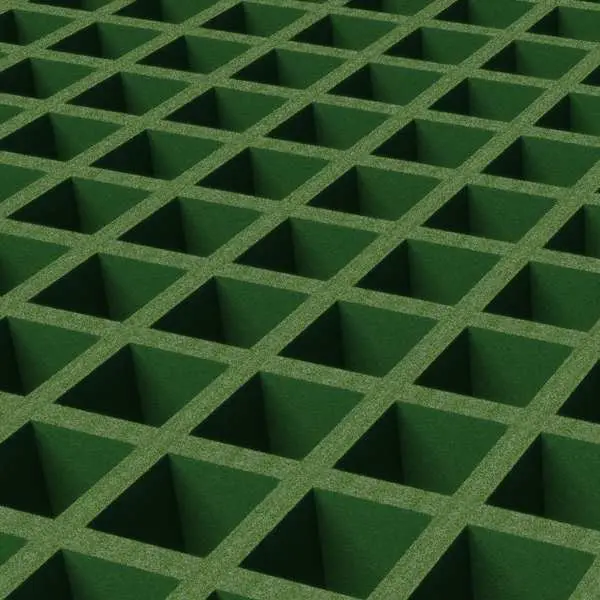
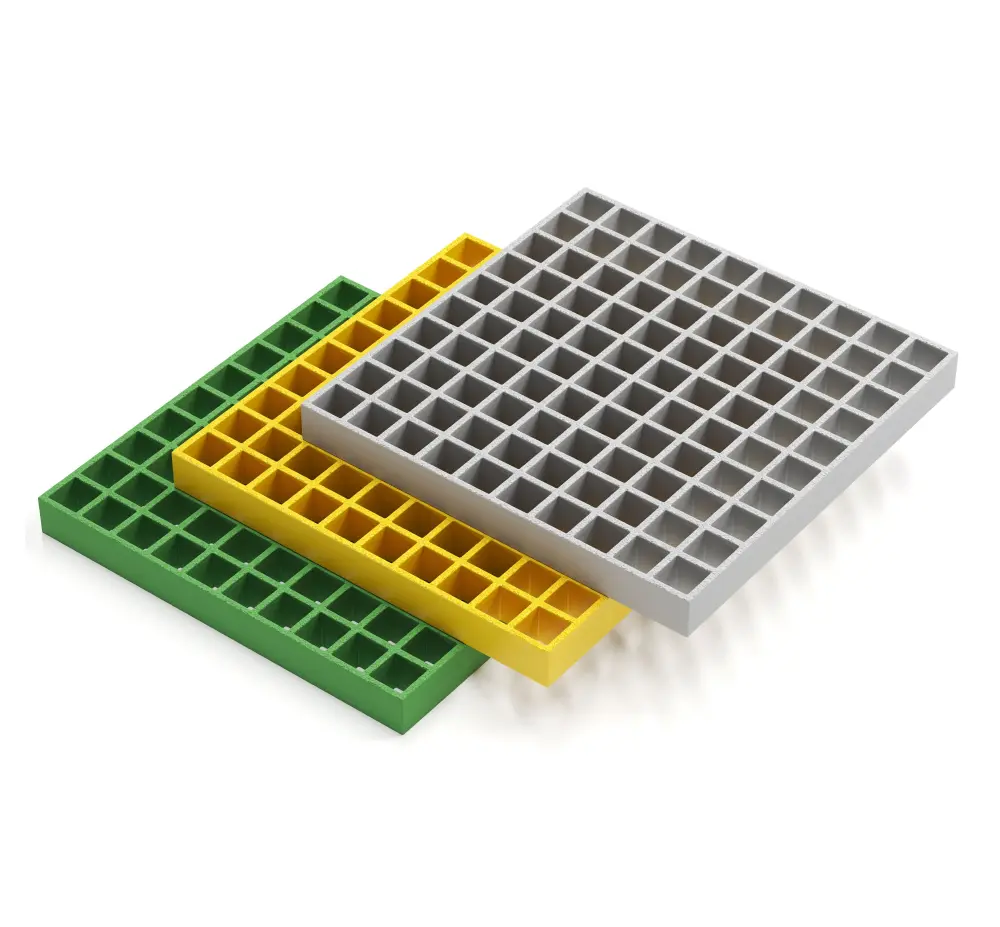
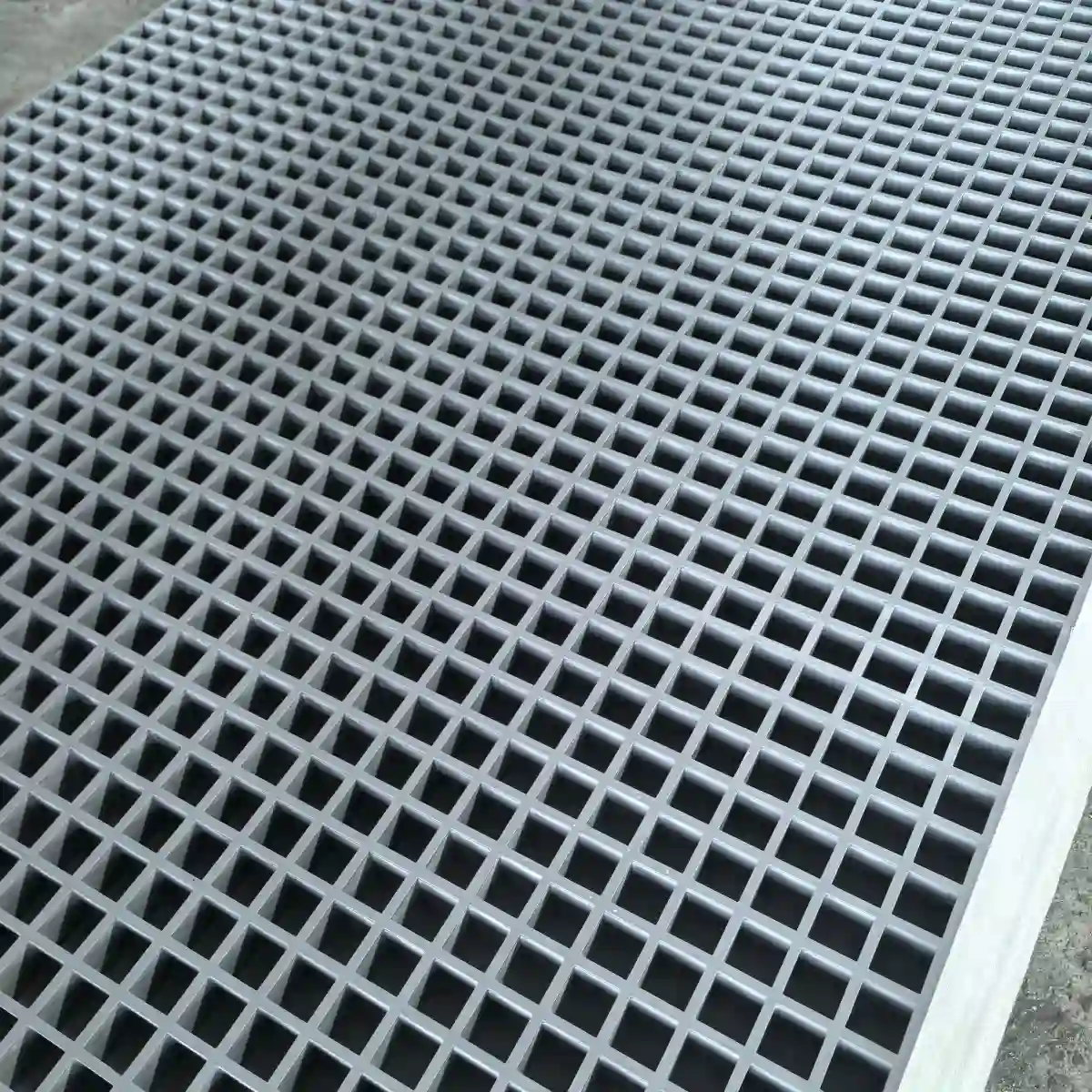
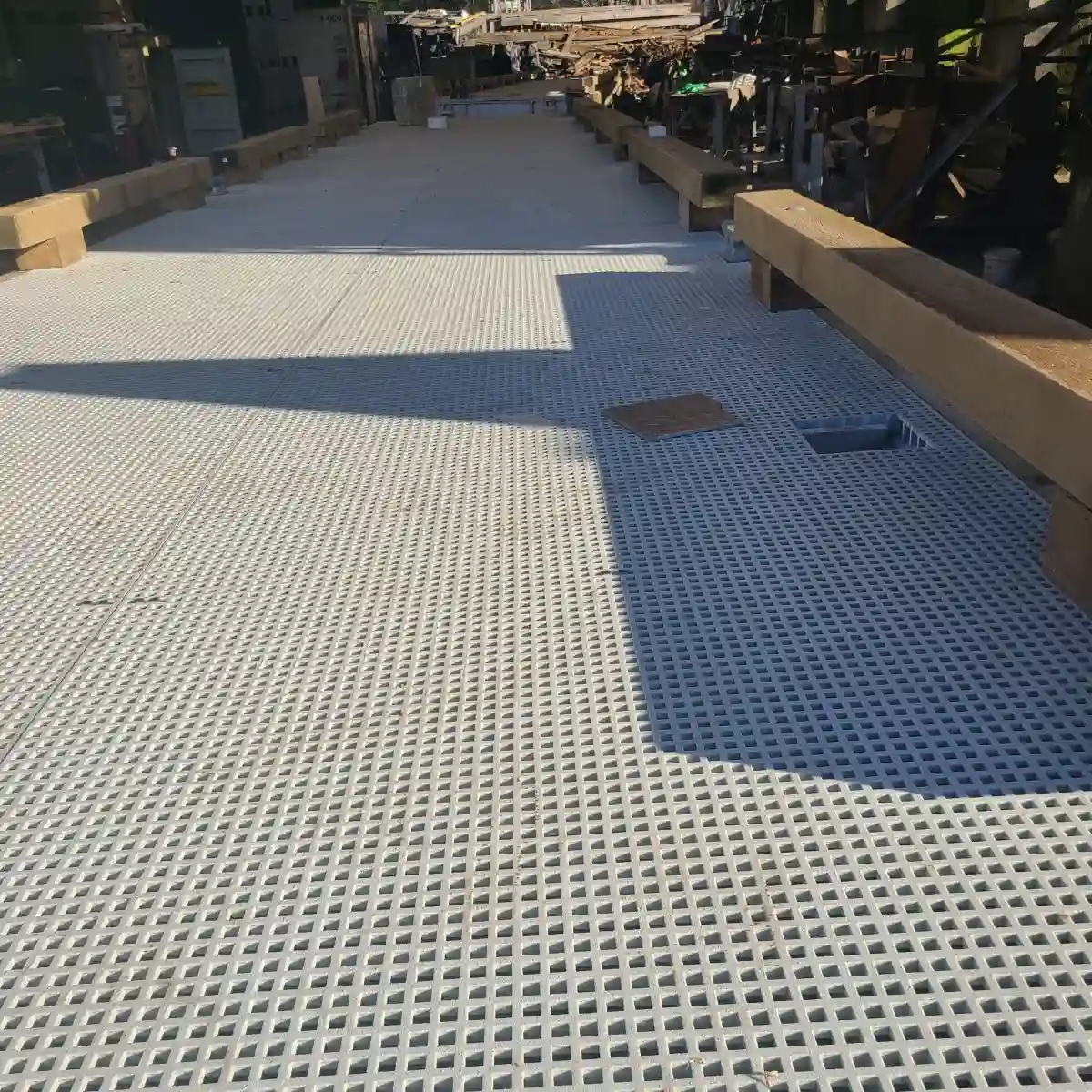
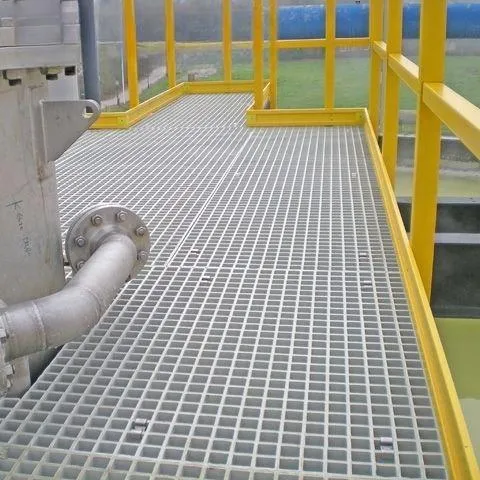
Aluminum industrial floor grating is a type of open-grid flooring made from high-strength aluminum alloy (typically 6061-T6 or 6063-T5), designed for industrial environments where a combination of strength, light weight, and corrosion resistance is required. The grating consists of a series of parallel bearing bars connected by cross bars, creating a grid pattern that allows light, air, water, and small debris to pass through while providing a slip-resistant walking surface.
Unlike steel grating, which requires hot-dip galvanization or painting to resist rust, aluminum naturally forms a protective oxide layer that prevents corrosion — even in harsh chemical or marine environments. This makes aluminum grating particularly valuable in applications where rust would compromise safety or require costly maintenance.
Common applications of aluminum industrial floor grating include:
- Walkways and platforms in chemical processing plants
- Offshore oil rigs and marine vessels
- Food and beverage processing facilities
- Pharmaceutical manufacturing clean rooms
- Wastewater treatment plants
- Swimming pool decks and aquatic facilities
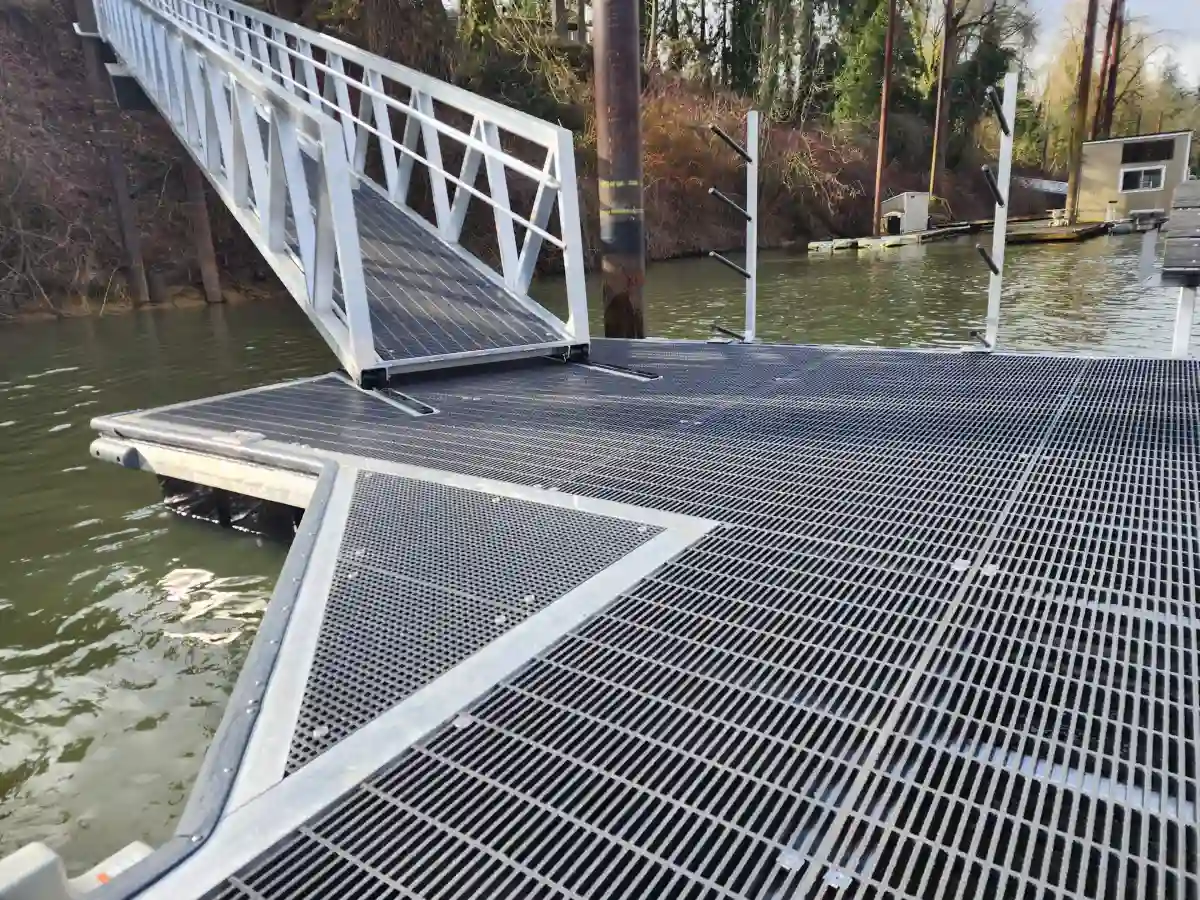
- Outdoor catwalks and mezzanine floors
Aluminum Industrial Floor Grating Sizes and Dimensions
When selecting aluminum industrial floor grating, understanding the available sizes and dimensions is crucial for proper fit and load performance. Aluminum grating is manufactured in a variety of standard configurations to suit different industrial applications, from light-duty walkways to heavy duty industrial floor grating for platform flooring.
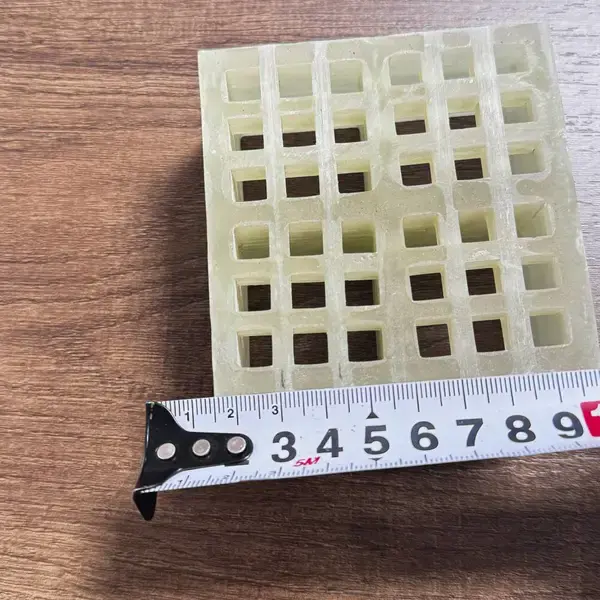
The most common standard panel sizes are 1 foot (305 mm) wide by 20 feet (6.1 m) long, though many manufacturers also offer custom widths and lengths. Panel width typically ranges from 3 inches to 48 inches, while standard lengths extend up to 24 feet. The overall depth of the grating (which is the same as the bearing bar height) ranges from 1 inch to 6 inches, with 1-inch, 1.5-inch, and 2-inch depths being the most popular choices for general industrial use.
Standard Panel Sizes and Thickness Options
Aluminum grating is available in several standard thicknesses, measured by the bearing bar depth and the bar width. The most common bar thicknesses for aluminum industrial floor grating are:
| Bar Depth | Bar Width | Typical Application |
|---|---|---|
| 1" (25 mm) | 1/4" (6.4 mm) | Light-duty walkways, mezzanines |
| 1-1/2" (38 mm) | 3/16" (4.8 mm) or 1/4" | General industrial platforms |
| 2" (51 mm) | 1/4" (6.4 mm) | Industrial walkways, medium-duty |
| 2-1/2" (64 mm) | 5/16" (7.9 mm) | Heavy-duty platforms, vehicle access |
| 3" (76 mm) | 3/8" (9.5 mm) | Extra heavy-duty industrial flooring |
| 4"–6" (102–152 mm) | 1/2" (12.7 mm) | Extreme load, bridge decking, crane ways |
Standard panel widths are 6", 9", 12", 18", 24", 30", and 36". The most common width sold is the 12-inch wide panel, as it offers the best balance of structural rigidity and ease of handling during installation.
Bearing Bar Spacing and Configuration
The spacing between bearing bars in aluminum industrial floor grating directly affects both load capacity and the grating's suitability for different applications. Standard bearing bar spacings include:
- 1-3/16" (30 mm) center-to-center — The most common spacing, providing excellent load distribution and a safe walking surface for general industrial use
- 1-7/16" (37 mm) center-to-center — Offers a slightly more open grid, suitable for applications where better drainage or light transmission is needed
- 3/4" (19 mm) center-to-center — Closer spacing designed for applications requiring additional slip resistance or where smaller tools and objects might fall through standard spacing
- 2-3/8" (60 mm) center-to-center — Wider spacing used in heavy-duty applications with thick bearing bars where maximum strength is prioritized
The cross bar, which runs perpendicular to the bearing bars and locks them together, is typically placed every 2 to 4 inches along the length of the panel. The cross bar attachment method — whether press-locked, welded, or riveted — also influences the overall structural integrity of the grating panel.
Aluminum Industrial Floor Grating Weight Capacity
One of the most critical considerations when choosing aluminum industrial floor grating is its weight capacity. Aluminum grating is capable of supporting substantial loads despite being approximately one-third the weight of steel. The load capacity of aluminum industrial floor grating for walkways is determined by several key factors including bearing bar depth, bar thickness, span length, and alloy grade.
In general, aluminum grating with 1-1/2" deep bars spaced 1-3/16" apart can support uniform loads of 200–300 PSF (pounds per square foot) over a 24-inch span. For heavier applications, 2-1/2" or 3" deep bars can handle loads exceeding 600 PSF.
Load Capacity Ratings and Deflection Limits
When evaluating heavy duty industrial floor grating requirements, it is essential to understand both the uniform load capacity and the concentrated load capacity of aluminum grating. Below is a reference table showing typical load capacities for common aluminum grating configurations:
| Bar Depth | Bar Thickness | Span (in) | Uniform Load (PSF) | Deflection (in) |
|---|---|---|---|---|
| 1" | 1/4" | 24" | 150 | 0.08 |
| 1-1/2" | 3/16" | 24" | 200 | 0.06 |
| 1-1/2" | 1/4" | 30" | 250 | 0.10 |
| 2" | 1/4" | 36" | 350 | 0.12 |
| 2-1/2" | 5/16" | 42" | 500 | 0.15 |
| 3" | 3/8" | 48" | 650 | 0.18 |
These values assume standard 6061-T6 aluminum alloy and 1-3/16" bearing bar spacing. Actual load capacity should always be verified with the manufacturer's engineering data for your specific project specifications. The deflection limits shown are well within the commonly accepted standard of L/200 (span divided by 200) for industrial grating applications.
Factors That Affect Load Bearing Performance
Several variables influence the load-bearing performance of aluminum industrial floor grating, and understanding these factors is essential for proper specification:
- Aluminum Alloy Grade: 6061-T6 is the most common alloy for grating, offering an excellent strength-to-weight ratio with a yield strength of approximately 35,000 PSI. 6063-T5 is also used but has lower strength (about 25,000 PSI yield) — it is more suitable for light-duty applications or where formability is prioritized.
- Bearing Bar Depth: Deeper bars provide exponentially greater load capacity. Doubling the bar depth increases the section modulus by a factor of four, dramatically improving load capacity.
- Bearing Bar Thickness: Thicker bars increase the cross-sectional area and moment of inertia, directly improving load capacity and reducing deflection under load.
- Span Length: The distance between supporting members is the most critical factor — longer spans reduce load capacity exponentially. Always consult load tables to determine the maximum safe span for your configuration.
- Temperature Effects: Aluminum's strength decreases at elevated temperatures. Above 212°F (100°C), load ratings should be derated according to manufacturer guidelines.
- Support Conditions: Proper bearing on all four sides or continuous support on parallel edges ensures maximum load capacity. Inadequate bearing leads to premature failure.
Aluminum Industrial Floor Grating vs Steel Grating
One of the most common questions engineers ask is how aluminum industrial floor grating compares to steel grating. Each material has distinct advantages that make it suitable for different applications. The table below summarizes the key differences:
| Property | Aluminum Grating | Steel Grating (Galvanized) |
|---|---|---|
| Weight | ~3–5 lbs/ft² | ~8–15 lbs/ft² |
| Corrosion Resistance | Excellent (natural oxide layer) | Good (requires coating) |
| Tensile Strength | ~35,000 PSI (6061-T6) | ~60,000 PSI (A36) |
| Strength-to-Weight Ratio | Excellent | Good |
| Maintenance | Minimal | Regular inspection for rust |
| Cost per ft² | Moderate ($15–35) | Lower ($8–20) |
| Lifespan (outdoor) | 25+ years | 10–15 years (requires recoating) |
| Non-sparking | Yes | No |
| Fabrication | Easy (saws, drills easily) | Moderate (requires cutting tools) |
| Recyclability | 100% recyclable | 100% recyclable |
When to choose aluminum: Aluminum grating is the better choice when corrosion resistance is critical, weight savings reduce structural steel requirements, the environment is chemically aggressive, or non-sparking properties are required. It is particularly dominant in marine, chemical, food processing, and outdoor applications where rust prevention is a priority.
When to choose steel: Steel grating offers higher absolute strength and lower upfront cost. It is preferred for applications requiring extreme load capacities beyond what aluminum can provide, or where the grating will be installed in a controlled indoor environment where corrosion is not a concern.
For most industrial industrial floor grating for walkways and platform applications in corrosive environments, aluminum offers the better total cost of ownership when factoring in its longer service life and zero maintenance requirements.
How to Install Aluminum Industrial Floor Grating
Installing aluminum industrial floor grating is a straightforward process that can be completed with standard tools, making it an attractive option for contractors and facility maintenance teams. The light weight of aluminum — approximately one-third that of steel — makes handling and positioning significantly easier and safer during installation.
The installation process typically follows standard grating industry practices, with some specific considerations unique to aluminum. Because aluminum is softer than steel, care must be taken to avoid over-tightening fasteners, which can cause deformation around holes.
Tools and Preparation
Before beginning installation of aluminum industrial floor grating, gather the following tools and materials:
- Fasteners: Stainless steel (304 or 316) clips and bolts — never use carbon steel fasteners with aluminum, as galvanic corrosion will occur. Common fastener types include saddle clips, G-clamps, and J-bolts.
- Cutting Tools: Carbide-tipped circular saw blades or abrasive cut-off saws designed for non-ferrous metals. Standard woodworking saws are not suitable.
- Drilling Equipment: Standard electric drill with high-speed steel (HSS) or cobalt drill bits. Use cutting oil or lubricant to prevent bit binding.
- Measuring Tools: Tape measure, chalk line, square, and level for layout.
- Personal Protective Equipment: Safety glasses, cut-resistant gloves, hearing protection, and steel-toed boots.
- Support Structure: Ensure the steel or aluminum support framing is level and properly aligned before the grating arrives.
Important pre-installation note: Allow aluminum grating to acclimate to the installation site for 24 hours before cutting and installing, as thermal expansion can affect final fit.
Step-by-Step Installation Process
Follow these steps to properly install aluminum industrial floor grating:
- Measure and plan: Measure the support structure openings and create a cutting plan. Account for a 1/4" gap on all sides for thermal expansion. Aluminum expands approximately twice as much as steel with temperature changes, so expansion gaps are essential.
- Cut the grating: Mark cut lines clearly on the grating surface. Use a carbide-tipped saw to cut bearing bars cleanly. Cut from the top surface to minimize burr formation. Deburr all cut edges with a file or grinder.
- Drill fastener holes: Mark hole locations at each support member intersection. Drill pilot holes slightly larger than the fastener diameter to allow for thermal movement. Use a sharp drill bit at moderate RPM with cutting oil to achieve clean holes.
- Position the panels: Lay the first panel in place starting from one corner of the opening. Ensure the bearing bars run perpendicular to the support members for maximum load capacity.
- Secure the grating: Attach the grating to the support structure using stainless steel clips or fasteners at every support intersection along the perimeter and at every second intersection in the interior field. Torque fasteners carefully — aluminum strips easily if over-tightened.
- Join adjacent panels: If multiple panels are required, maintain consistent spacing between panels (typically 1/4" to 3/8"). Use panel clamps or splice plates to connect adjacent grating sections where continuous spans are needed.
- Inspect and test: Walk the entire installed surface, checking for loose panels, sharp edges, or uneven areas. Verify all fasteners are properly tightened and that no panel moves or rattles when walked on.
Aluminum Industrial Floor Grating Price per Square Foot
Understanding the aluminum industrial floor grating price per square foot is essential for budgeting any industrial flooring project. Aluminum grating pricing varies significantly based on configuration, quantity, and market conditions. In general, aluminum grating costs more upfront than steel but offers superior long-term value due to its corrosion resistance and zero maintenance requirements.
Typical price ranges for standard aluminum grating configurations are as follows:
Cost Factors and Price Comparison
The price of aluminum industrial floor grating is influenced by several key factors:
- Raw Material Costs: Aluminum prices fluctuate based on LME (London Metal Exchange) rates. As of 2026, primary aluminum is trading at approximately $2,400–$2,800 per metric ton, which directly affects grating pricing.
- Bearing Bar Depth and Thickness: Deeper and thicker bars require more material and increase the price. A 2" deep grating panel costs roughly 20–30% more than a 1-1/2" panel of the same width.
- Surface Finish: Mill finish is the most economical. Anodized or powder-coated finishes add $2–$5 per square foot depending on color and coating thickness.
- Quantity Discounts: Most manufacturers offer tiered pricing. Buying a full truckload (20,000+ lbs) can reduce per-square-foot costs by 15–25% compared to small orders.
- Custom Fabrication: Custom-cut panels, special hole patterns, or non-standard dimensions add fabrication charges ranging from 10–40% over standard panel pricing.
- Lead Time: Standard panels ship in 2–4 weeks. Expedited production adds 10–15% premium.
Price comparison by configuration:
| Configuration | Aluminum Price/ft² | Galvanized Steel Price/ft² | Notes |
|---|---|---|---|
| 1" x 1/4" Light Duty | $15–$20 | $8–$12 | Suitable for pedestrian walkways |
| 1-1/2" x 3/16" Standard | $18–$25 | $10–$15 | Most common industrial configuration |
| 1-1/2" x 1/4" Medium Duty | $22–$30 | $12–$17 | Recommended for platform flooring |
| 2" x 1/4" Heavy Duty | $28–$35 | $15–$20 | Suitable for industrial platforms |
| 2-1/2" x 5/16" Extra Heavy | $35–$45 | $18–$25 | Used in heavy equipment areas |
| 3" x 3/8" Extreme Duty | $45–$60 | $22–$30 | Maximum load applications |
Best Aluminum Industrial Floor Grating for Platforms
Selecting the best aluminum industrial floor grating for platforms depends on the specific requirements of your application. Platform grating must support not only the weight of personnel but also equipment, stored materials, and dynamic loads from moving machinery. Here are the recommended configurations for different platform types:
Pedestrian Walkway Platforms
For platforms used primarily by personnel with light equipment, a 1-1/2" x 3/16" aluminum grating with 1-3/16" bearing bar spacing is the standard specification. This configuration offers ample strength for loads up to 200 PSF while keeping weight low and cost manageable.
Equipment Maintenance Platforms
For platforms that support tools, replacement parts, and multiple workers, upgrade to 1-1/2" x 1/4" or 2" x 1/4" grating. These configurations handle loads of 250–350 PSF and provide the extra safety margin needed for maintenance activities where concentrated loads are common.
Heavy-Duty Industrial Platforms
For platforms in manufacturing facilities that support machinery, conveyor systems, or storage racks, 2-1/2" x 5/16" or 3" x 3/8" heavy duty industrial floor grating is recommended. These robust configurations handle loads exceeding 500 PSF and are designed for decades of service in demanding environments.
Marine and Offshore Platforms
For offshore rigs, shipboard platforms, and coastal facilities, specify 6061-T6 aluminum grating with 2" x 1/4" or 2-1/2" x 5/16" bars. Marine-grade stainless steel fasteners (316 grade) should be used exclusively to prevent galvanic corrosion. An optional serrated surface provides additional slip resistance in wet conditions.
Platform grating checklist: When specifying aluminum industrial floor grating for platforms, always confirm the intended uniform load (PSF), concentrated load requirements, deflection limits (typically L/200 or L/150), support span lengths, and environmental exposure conditions before ordering.
Conclusion
Choosing aluminum industrial floor grating for your project delivers a winning combination of light weight, corrosion resistance, and long service life. With weight capacities ranging from 150 PSF for light-duty walkways to 650+ PSF for heavy-duty industrial platforms, aluminum grating handles the vast majority of industrial flooring requirements while lasting 25+ years with virtually no maintenance. Although the initial aluminum industrial floor grating price per square foot is higher than steel, the total cost of ownership is typically lower when factoring in zero maintenance, no recoating, and longer service life.
When comparing aluminum industrial floor grating vs steel grating, the choice ultimately comes down to your specific application requirements — aluminum excels in corrosive, wet, or outdoor environments, while steel offers higher absolute strength at a lower initial cost for indoor, dry applications.
For expert guidance on selecting the right industrial floor grating for your project, contact our team at FRP Grating Pro. We offer custom fabrication, competitive pricing on bulk orders, and technical support to help you specify the perfect grating solution for your walkways, platforms, and industrial flooring needs.