Introduction
Industrial floor grating is a critical component in factories, warehouses, refineries, processing plants, and commercial facilities worldwide. It provides a durable, slip-resistant walking surface that allows light, air, and liquids to pass through while supporting heavy equipment and foot traffic. Whether you are designing a new facility or upgrading an existing one, understanding the materials, load ratings, cost structure, and installation methods is essential for making a sound investment.
This comprehensive guide covers everything you need to know — from the different material options like steel, aluminum, and FRP, to load capacity classifications, industrial floor grating price factors, corrosion prevention, installation techniques, and ongoing maintenance. By the end of this article, you will have the knowledge to select the right product for your specific application and budget.
What Is Industrial Floor Grating?
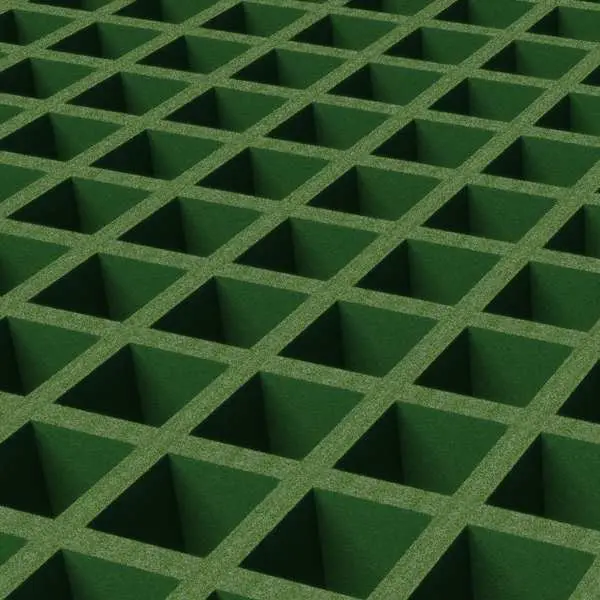
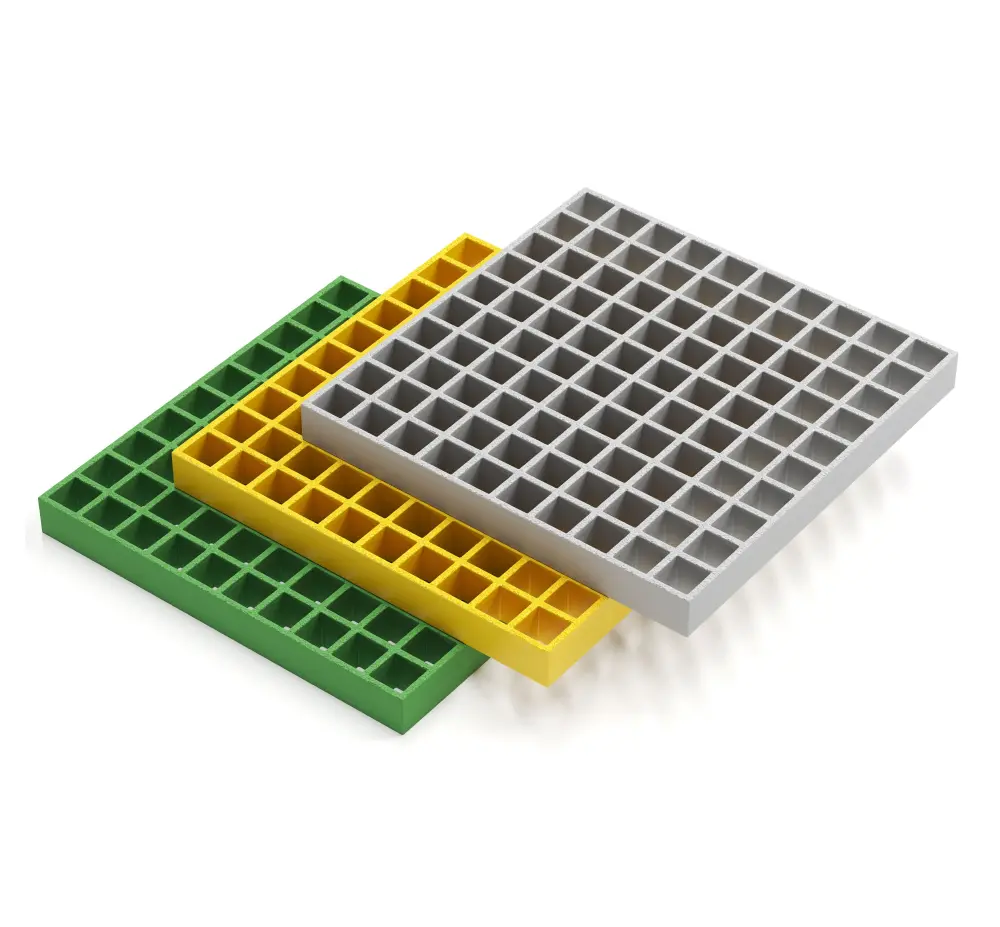
An open-grid flooring system made from load-bearing bars that run parallel to each other, with perpendicular cross bars or rods for structural integrity. The open design allows debris, water, oil, and other substances to fall through, keeping the walking surface clean and reducing slip hazards. Unlike solid flooring, grating does not trap moisture or contaminants, making it ideal for industrial environments where hygiene, drainage, and ventilation matter.
Common applications include:
- Factory production floors and assembly lines
- Heavy-duty walkways and elevated platforms
- Catwalks and mezzanine flooring
- Drainage covers and trench gratings
- Chemical plant flooring
- Offshore platform decking
- Commercial kitchen flooring
The term generally refers to grating systems rated for higher load capacities and more demanding environments than light-duty or residential grating. These gratings are manufactured in standard panel sizes — commonly 1 foot by 20 feet or 2 feet by 20 feet — and can be cut to length on-site. The bar spacing, bar height, and bar thickness all affect the overall strength and load-bearing capability of the finished panel.
Types of Industrial Floor Grating by Material
Choosing the right material for your application depends on the operating environment, load requirements, corrosion risk, and budget. Each material offers distinct advantages. Below we cover the four most common types used across industrial settings.
Steel Industrial Floor Grating
Steel is the most widely used material due to its exceptional strength and affordability. Standard steel (also called mild steel or carbon steel) grating provides high load capacity at a relatively low cost. It is commonly found in factories, warehouses, and heavy equipment areas. Steel grating can be hot-dip galvanized after fabrication to improve corrosion resistance, significantly extending its service life in indoor and outdoor environments. For applications requiring even greater strength, heavy duty industrial floor grating made from thicker steel bars is available with load capacities exceeding 1,000 psf.
Aluminum Industrial Floor Grating
Aluminum industrial floor grating offers a lightweight alternative that resists corrosion naturally without the need for galvanizing. It is approximately one-third the weight of steel, making it easier to handle, transport, and install. This makes it a popular choice for platforms, walkways, and mezzanines where structural load on the supporting frame is a concern. Aluminum grating does not rust, making it ideal for food processing plants, marine environments, and chemical facilities where moisture and corrosive substances are present. The main trade-off is that aluminum has a lower tensile strength than steel, so load capacities are generally lower for equivalent bar sizes.
Fiberglass (FRP) Grating
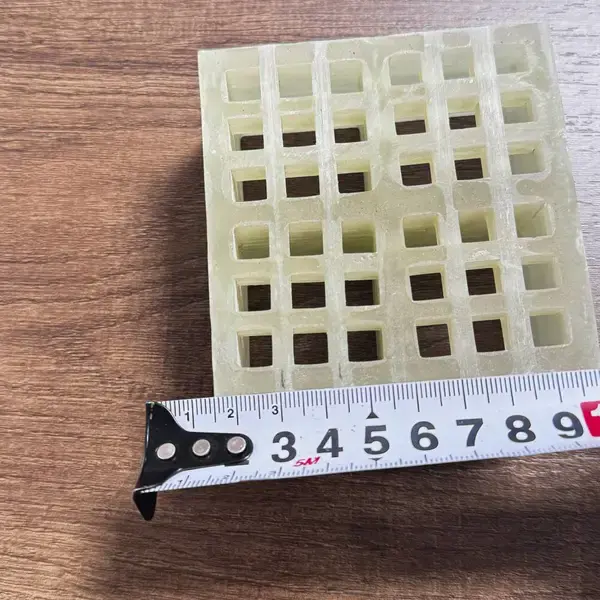
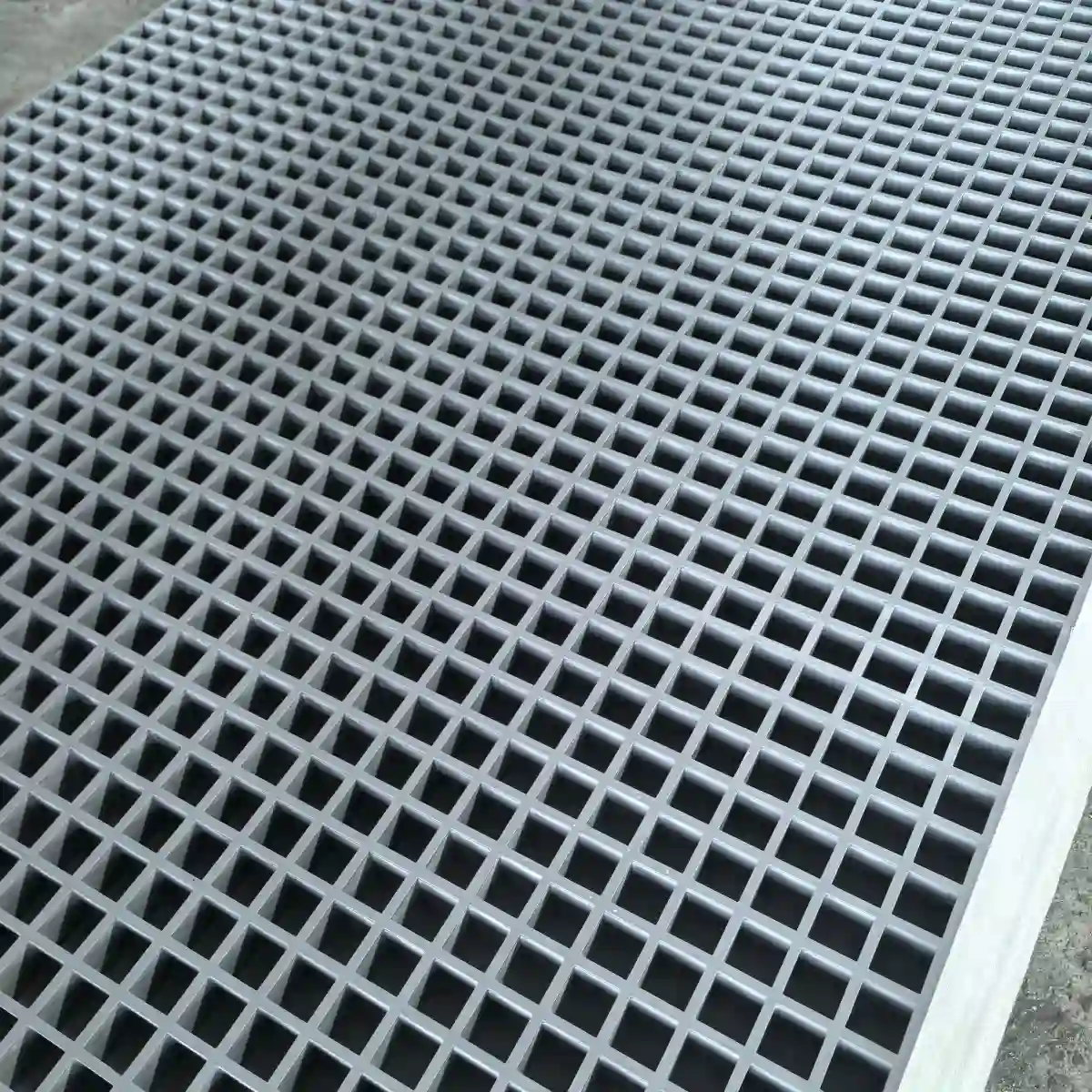
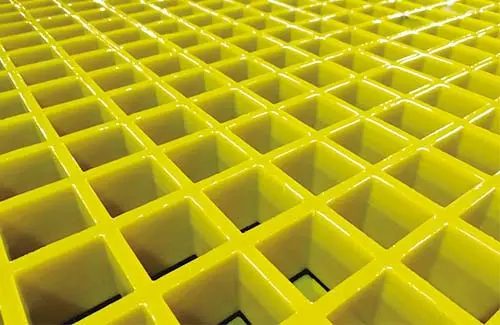
Fiberglass-reinforced plastic (FRP) grating is a composite material made from glass fibers and resin. It is completely non-corrosive, non-conductive, and non-magnetic, making it the go-to choice for highly corrosive environments such as chemical processing plants, water treatment facilities, and battery rooms. FRP grating is also slip-resistant and available with a gritted surface for added safety. It is lighter than steel but heavier than aluminum. The initial cost is higher than steel, but the total cost of ownership can be lower in corrosive environments because no protective coating or replacement is needed over decades of service.
Stainless Steel Grating
Stainless steel grating offers the highest corrosion resistance among metal gratings. It is used in pharmaceutical facilities, food and beverage plants, marine applications, and clean rooms where hygiene and corrosion resistance are paramount. Stainless steel grating is stronger than aluminum and can handle heavy loads, but it is also the most expensive option among the metal gratings. It requires minimal maintenance and provides an excellent long-term solution for demanding environments.
Industrial Floor Grating Load Capacity
The load capacity is one of the most important specifications to evaluate before purchasing. Grating panels must support the weight of personnel, equipment, vehicles, and stored materials without excessive deflection or permanent deformation.
Load capacity is primarily determined by three factors:
- Bar height — taller bars resist bending more effectively. Common heights range from 1 inch to 6 inches.
- Bar thickness — thicker bars add rigidity. Typical thicknesses are 1/8 inch (3.2 mm) to 3/8 inch (9.5 mm).
- Span (center-to-center support spacing) — shorter spans allow higher load ratings.
Manufacturers provide load tables that specify the maximum allowable uniform load (psf) and concentrated load (lbs) for each grating type and span configuration. For example, a standard steel grating with 1-1/4" x 3/16" bars spanning 24 inches may support approximately 350 psf uniform load, while a heavy duty industrial floor grating with 2-1/4" x 1/4" bars spanning the same distance can exceed 800 psf.
Key load classifications include:
| Classification | Typical Uniform Load | Common Applications |
|---|---|---|
| Light Duty | Up to 125 psf | Catwalks, light pedestrian walkways |
| Medium Duty | 125–300 psf | Platforms, mezzanine flooring |
| Heavy Duty | 300–600 psf | Factory floors, vehicle access |
| Extra Heavy Duty | 600+ psf | Crane runways, heavy machinery areas |
Always consult load tables from your grating supplier and factor in a safety margin of at least 1.5x the expected maximum load. If your facility will experience dynamic loads (vibrating machinery, forklift traffic), additional reinforcement may be necessary.
How to Choose Industrial Floor Grating for Heavy Traffic Areas
Selecting the right product for heavy traffic areas is a common challenge for facility managers and engineers. Heavy traffic areas subject grating to repeated loading from forklifts, pallet jacks, heavy machinery, and constant foot traffic. Choosing the wrong product can lead to premature failure, safety hazards, and costly replacements.
Follow these guidelines when selecting industrial floor grating for heavy traffic areas:
- Use steel or stainless steel for maximum durability. These materials offer the highest impact resistance and fatigue life under repeated loading. Aluminum and FRP are generally not recommended for primary heavy traffic zones.
- Specify thicker bearing bars. For heavy traffic, use at least 3/16 inch (4.8 mm) bar thickness. For very heavy loads such as forklift traffic, 1/4 inch (6.4 mm) or 5/16 inch (7.9 mm) bars are recommended.
- Select closer bar spacing. Standard spacing is 1-3/16 inch or 1-7/16 inch center-to-center. For heavy traffic, tighter spacing distributes loads more evenly and reduces surface deflection.
- Add anti-slip features. Grating with serrated bearing bars or a grit-top surface provides better traction for vehicles and pedestrians, especially in wet or oily conditions.
- Verify load tables against your actual loads. Calculate the wheel load of your heaviest forklift (including load) and divide by the number of bars that will support each wheel. Ensure the per-bar load is well within the rated capacity.
If your facility involves frequent forklift or truck traffic, consider reinforced grating panels with extra cross bars or thicker bearing bars to distribute concentrated wheel loads across more surface area.
Industrial Floor Grating for Walkways and Platforms
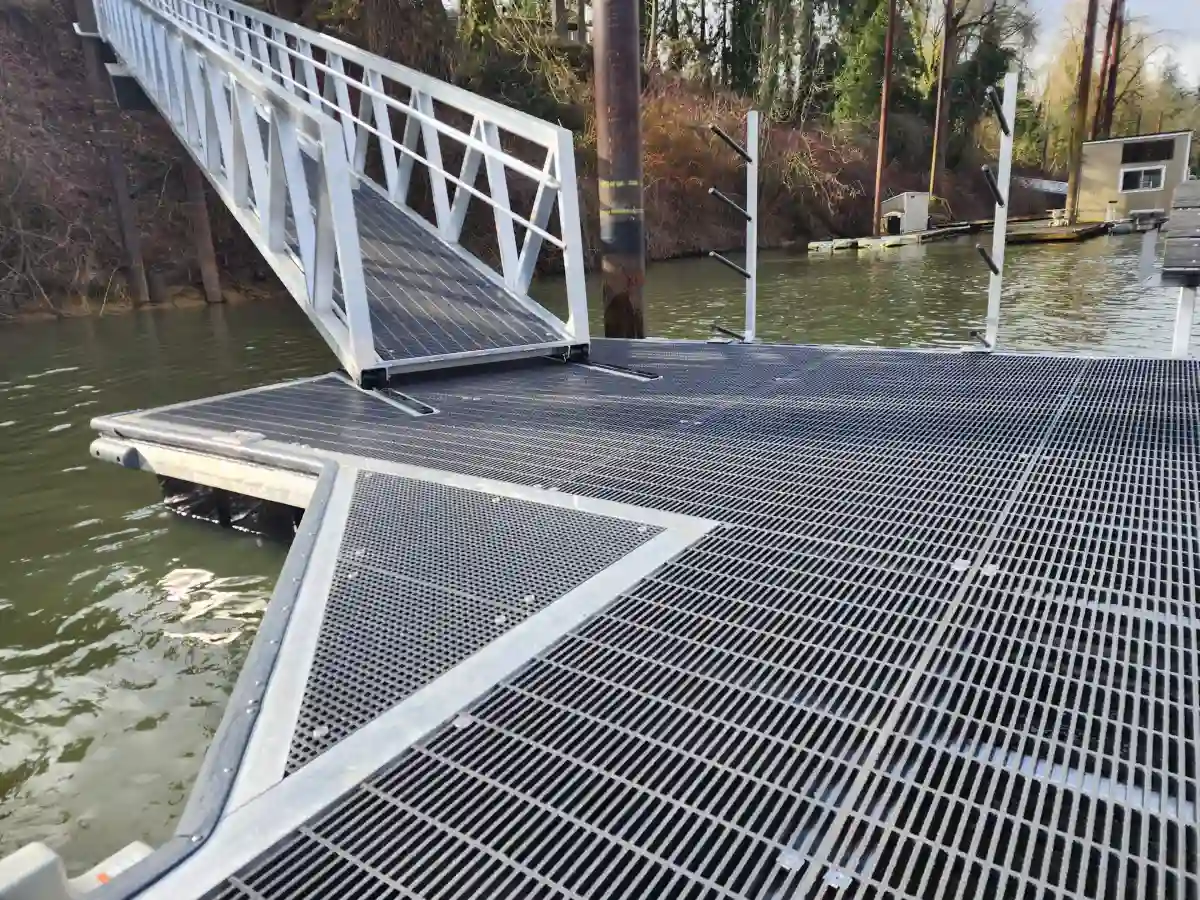
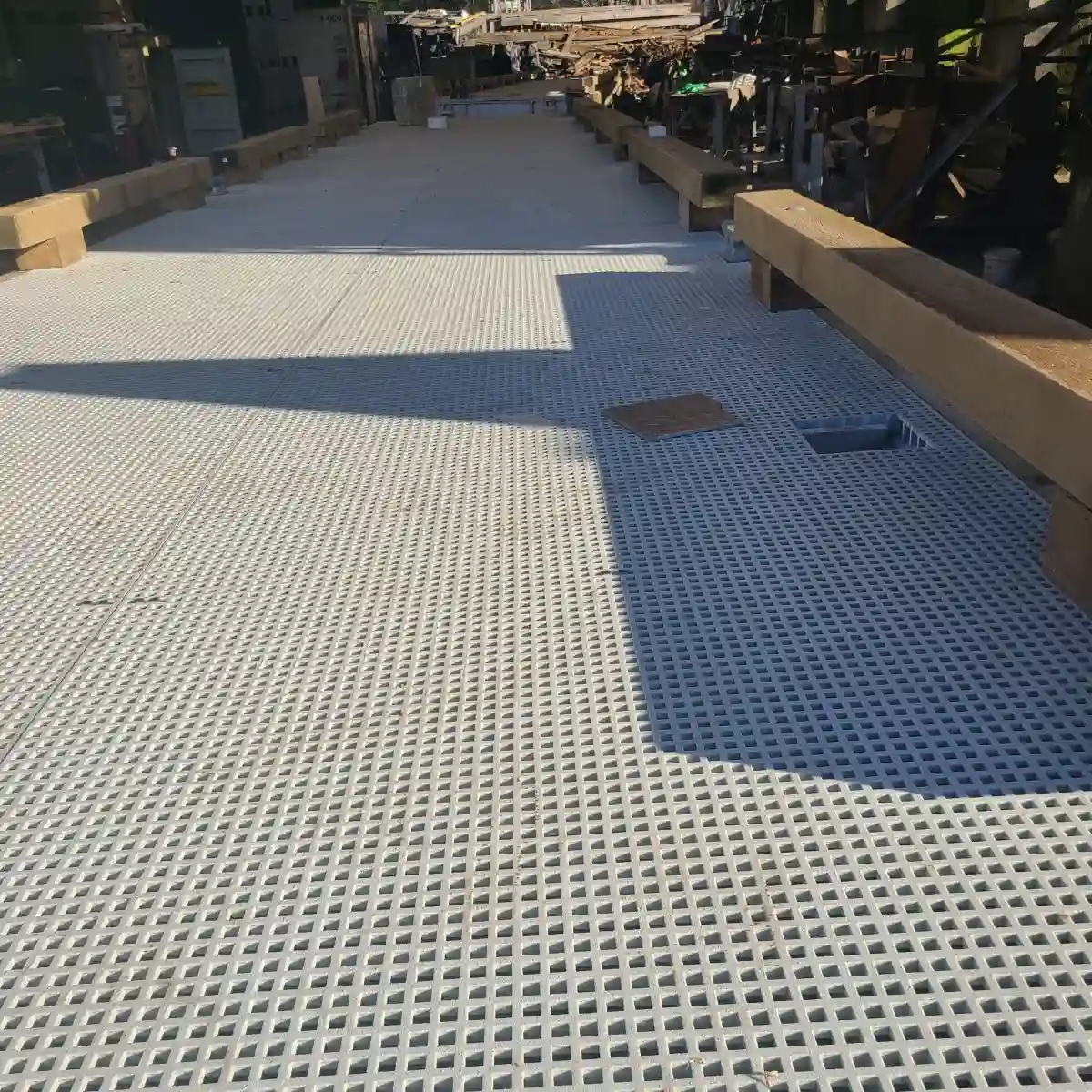
Industrial floor grating for walkways is one of the most frequent applications across industrial facilities. Walkways, platforms, catwalks, and mezzanines all benefit from grating's open design, which prevents debris buildup and reduces slip hazards. When you specify industrial floor grating for walkways, you are choosing a system that prioritizes safety and drainage.
When selecting walkway grating, consider these factors:
- Bar spacing: For pedestrian walkways, standard 1-3/16 inch or 1-7/16 inch spacing is adequate. If workers wear narrow heels or carry small tools, tighter spacing prevents items from falling through.
- Surface treatment: Serrated bars or grit-top surfaces are highly recommended for walkway grating to provide slip resistance in wet, oily, or greasy conditions. OSHA and international safety standards often require slip-resistant surfaces on elevated walkways.
- Material selection: For indoor walkways, steel or aluminum grating works well. For outdoor elevated walkways exposed to weather, galvanized steel, aluminum, or FRP is preferable to prevent rust.
- Toe plates and handrails: Walkways elevated above 30 inches typically require toe plates and handrails per safety codes. Many grating suppliers offer integrated systems with matching handrail posts and toe plate brackets.
Platform grating is generally designed for medium-duty loads since walkways primarily handle pedestrian traffic. However, if the walkway also serves as an equipment access route, heavier-duty grating should be specified. FRP grating is particularly well-suited for walkways in chemical plants because it resists corrosion and is electrically non-conductive.
Industrial Floor Grating Price and Cost Factors
Understanding the pricing is crucial for budgeting any facility project. Grating pricing varies widely based on material, panel size, bar dimensions, surface treatment, and quantity ordered.
Here are approximate price ranges for standard panels (1 ft x 20 ft) in the US market as of 2026:
| Material | Price Range per sq ft | Typical Lead Time |
|---|---|---|
| Steel (carbon steel, painted) | $4 – $12 | 1–2 weeks |
| Steel (hot-dip galvanized) | $6 – $18 | 2–4 weeks |
| Aluminum | $10 – $25 | 2–3 weeks |
| Fiberglass (FRP) | $12 – $30 | 2–4 weeks |
| Stainless Steel (304) | $20 – $50 | 3–6 weeks |
| Stainless Steel (316) | $25 – $60 | 4–8 weeks |
Key factors that influence industrial floor grating price include:
- Bar size: Thicker and taller bearing bars require more material, increasing cost. Heavy duty grating with 1/4 inch bars costs significantly more than light-duty 1/8 inch bar grating.
- Surface finish: Serrated bars, grit-top surfaces, and special coatings add $2–$8 per sq ft.
- Custom fabrication: Cutouts, notching, beveling, and custom shapes increase fabrication costs. Prefabricated standard panels are most economical.
- Quantity: Full truckload orders (10,000+ sq ft) typically receive 15–30% volume discounts.
- Market conditions: Steel and aluminum prices fluctuate with commodity markets. FRP prices are more stable but tied to resin costs.
For an accurate quote, provide your supplier with the material, bar size, panel dimensions, span, and load requirements. Request pricing for both standard galvanized steel and alternative materials to compare total cost including installation and maintenance over the expected service life.
Corrosion in Industrial Floor Grating — Causes and Prevention
Corrosion is the single most common cause of grating failure in industrial environments. Understanding the corrosion mechanisms and prevention strategies can dramatically extend the service life of your investment.
Corrosion occurs when metal reacts with oxygen, moisture, and chemicals in the environment. The rate of corrosion depends on:
- Environmental exposure: Outdoor installations, coastal areas, and chemical processing zones accelerate corrosion.
- Chemical contact: Acids, alkalis, salts, and industrial solvents attack unprotected metal surfaces.
- Temperature and humidity: High heat and moisture speed up electrochemical reactions.
- Galvanic corrosion: Dissimilar metals in contact (e.g., steel grating on aluminum supports) create a galvanic cell that corrodes one metal preferentially.
Prevention strategies include:
- Hot-dip galvanizing: Dipping steel grating in molten zinc creates a sacrificial barrier that protects the underlying steel. This is the most cost-effective corrosion protection for steel grating, adding 20–50 years of service life in most environments.
- Use corrosion-resistant materials: For harsh chemical environments, switch to aluminum industrial floor grating, FRP, or stainless steel. While the upfront cost is higher, the lifetime cost is often lower because no recoating or replacement is needed.
- Regular cleaning: Wash grating periodically to remove corrosive deposits, chemical spills, and debris that trap moisture against the metal surface.
- Proper drainage: Ensure grating is installed with adequate slope and drainage so water does not pool on the surface. Standing water accelerates corrosion dramatically.
- Paint and powder coating: For mild environments, industrial-grade epoxy paints and powder coatings provide a protective barrier. However, once the coating is scratched, corrosion begins at the breach.
In high-corrosion environments such as chemical plants, water treatment facilities, and coastal areas, FRP or aluminum industrial floor grating is strongly recommended over steel, even galvanized steel, for the best long-term value. The natural oxide layer on aluminum provides ongoing protection without maintenance.
How to Install Industrial Floor Grating in a Factory
Proper installation requires careful planning and proper technique to ensure safety and longevity. Below is a step-by-step installation guide suitable for most industrial grating applications.
- Prepare the support structure. Ensure that all support beams, angles, or channels are level, properly aligned, and rated for the intended load. The support spacing must match the planned grating span. Clean all bearing surfaces of debris, rust, and weld splatter.
- Inspect and lay out panels. Check all grating panels for damage, warping, or defects before installation. Lay out panels on the support structure according to your shop drawing or installation plan. Leave approximately 1/4 inch (6 mm) expansion gap between panels and between panels and walls.
- Cut to fit if necessary. Use an angle grinder with a cut-off wheel for steel or aluminum grating. For FRP grating, use a carbide-tipped saw blade. Always wear appropriate PPE including eye protection, gloves, and respiratory protection when cutting. Deburr all cut edges.
- Secure the grating. Attach grating to the support structure using grating clips, saddle clips, or welding (for steel only). For pedestrian walkways, secure at every support bar intersection along each support beam. For heavy traffic areas, secure every bearing bar. Do not weld aluminum or FRP grating — use mechanical fasteners only.
- Install toe plates and handrails. For elevated platforms and walkways above 30 inches, install toe plates (minimum 4 inches high) and handrails per OSHA or local safety codes. Many manufacturers offer bolt-on systems that simplify integration.
- Final inspection. Walk the entire installed surface to check for loose panels, sharp edges, or uneven transitions. Verify all fasteners are tight. Test a section with the expected load if possible before putting the area into full service.
Professional installation by experienced contractors is recommended for large-scale projects. Improper installation — such as incorrect support spacing, inadequate fastening, or blocked drainage — is a leading cause of premature grating failure.
Maintenance Tips to Extend Grating Lifespan
Proper maintenance ensures safety, preserves appearance, and maximizes the return on your investment.
Key maintenance practices include:
- Regular cleaning: Sweep or wash grating surfaces weekly to remove dirt, debris, and chemical residues. For steel grating, accumulated debris traps moisture and accelerates corrosion. High-pressure washing is effective for removing stubborn buildup.
- Inspect for damage: Conduct monthly visual inspections for bent or broken bars, loose fasteners, corrosion spots, and weld cracks. After any heavy impact or overloading event, inspect immediately. Replace damaged panels rather than attempting field repairs.
- Touch up coating: For painted or powder-coated steel grating, touch up any scratches or chips immediately to prevent rust from spreading. Keep matching touch-up paint on hand.
- Check fasteners: Grating clips and bolts can loosen over time due to vibration. Inspect and retighten all fasteners quarterly. Replace any corroded or damaged clips promptly.
- Clear drainage paths: Ensure that the open area of the grating is not blocked by debris buildup underneath. Blocked drainage defeats the purpose of grating and can lead to corrosion and slip hazards.
- Seasonal deep cleaning: In coastal or chemical environments, perform a deep cleaning every 6–12 months using appropriate cleaning agents that do not attack the grating material. For aluminum, avoid alkaline cleaners. For FRP, avoid strong solvents.
With proper maintenance, steel grating can last 20–40 years, aluminum grating 30–50 years, FRP grating 25–40 years, and stainless steel grating 40–60 years or more. Neglect, by contrast, can reduce steel grating lifespan to under 10 years in corrosive environments.
Industrial Floor Grating vs Bar Grating
Industrial floor grating vs bar grating — what is the difference? This is a common point of confusion. In most industry contexts, the terms are used interchangeably. However, there are technical distinctions worth understanding.
Bar grating is the broader category describing any grating product made from parallel bearing bars joined by cross bars or rods. This includes all the products discussed in this article — steel, aluminum, FRP, and stainless steel gratings. Bar grating is defined by its manufacturing method: the bearing bars run in one direction, and cross bars (either welded, swaged, or molded) run perpendicularly.
The industrial-grade type is a subset of bar grating specifically designed and rated for industrial flooring applications. The key differences are:
| Feature | Industrial Floor Grating | General Bar Grating |
|---|---|---|
| Load Rating | Engineered for heavy loads (250–1,000+ psf) | May be light to medium duty (50–300 psf) |
| Bar Thickness | Typically 3/16 inch or greater | Can be as thin as 1/8 inch |
| Materials | Steel, aluminum, FRP, stainless steel | Same materials, but lighter-duty options available |
| Surface Treatment | Often serrated, galvanized, or grit-treated for safety | May be plain or smooth |
| Certification | Complies with OSHA, ANSI, NAAMM, or international standards | May not carry formal certifications |
| Typical Use | Factory floors, platforms, vehicle walkways | Light catwalks, drain covers, decorative grating, mezzanines |
When purchasing, specify the industrial-grade type if your application involves heavy loads, safety-critical elevated platforms, or compliance with workplace safety standards. For light pedestrian walkways, mezzanines, or non-critical areas, standard bar grating may be sufficient and more economical.
Conclusion
Selecting the right product for your facility requires balancing material properties, load capacity, corrosion resistance, budget, and installation requirements. Steel grating offers the best strength-to-cost ratio for most applications. Aluminum provides lightweight corrosion resistance for platforms and walkways. FRP excels in chemically aggressive environments. Stainless steel delivers maximum durability for demanding hygienic and marine applications.
Key takeaways from this guide:
- Always match the load capacity of your grating to the actual operating conditions, including a safety margin.
- Consider total cost of ownership — not just purchase price — especially in corrosive environments where FRP or aluminum may save money over time.
- Proper installation and regular maintenance are essential to maximizing grating lifespan.
- Work with reputable suppliers who provide certified load tables and material specifications.
Whether you need heavy duty industrial floor grating for a factory floor, aluminum industrial floor grating for a marine walkway, or standard steel grating for a mezzanine, the information in this guide will help you make an informed decision. Contact your grating supplier with your specific load requirements and environmental conditions to receive a tailored recommendation and accurate pricing.