Introduction
When designing or upgrading an industrial facility, few decisions impact safety, productivity, and long-term costs as much as the flooring system you choose. Heavy duty industrial floor grating is the backbone of countless factories, warehouses, processing plants, and distribution centers — providing the structural strength needed to support heavy machinery, forklift traffic, and constant pedestrian movement while maintaining open airflow and drainage.
This comprehensive guide covers everything you need to know about selecting and specifying the right grating system for demanding environments: from load capacity ratings and material options to installation best practices and pricing. Whether you are a plant engineer, facility manager, or procurement specialist, understanding these factors will help you maximize safety, extend service life, and optimize your budget.
Throughout this article, we will answer the most common questions about industrial grating systems — including how much weight they can hold, how they compare to light-duty alternatives, which materials perform best in different environments, and where to source high-quality products for your facility.
What Is Heavy Duty Industrial Floor Grating?
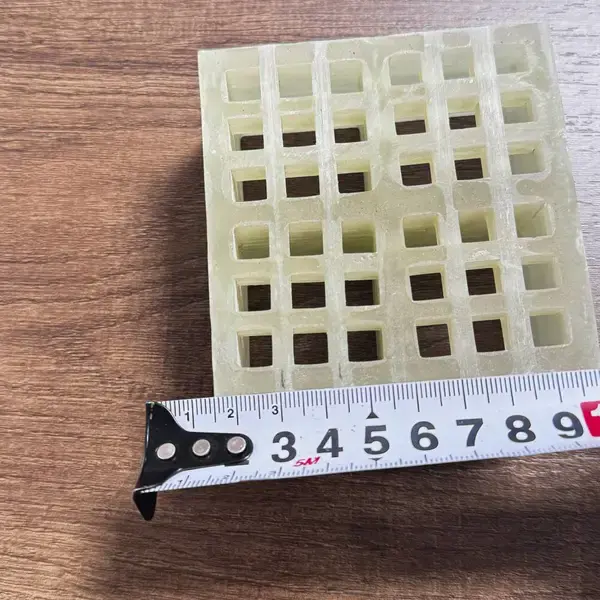
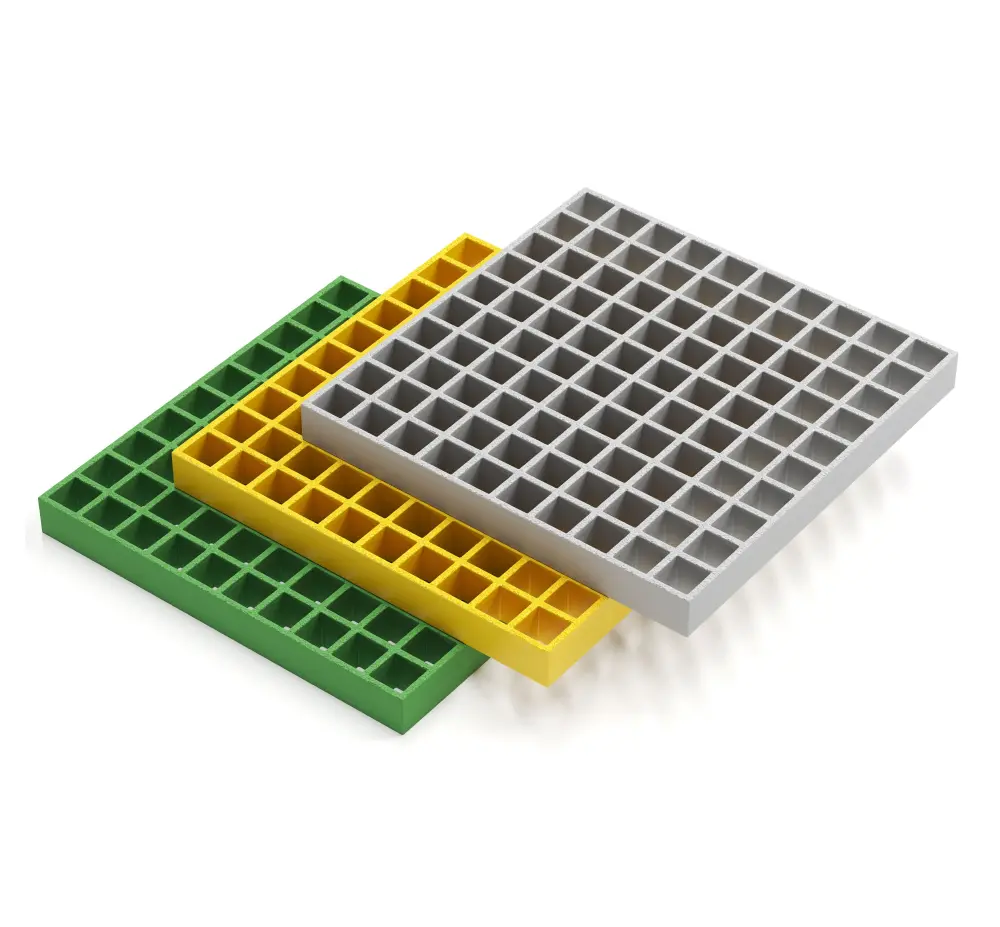
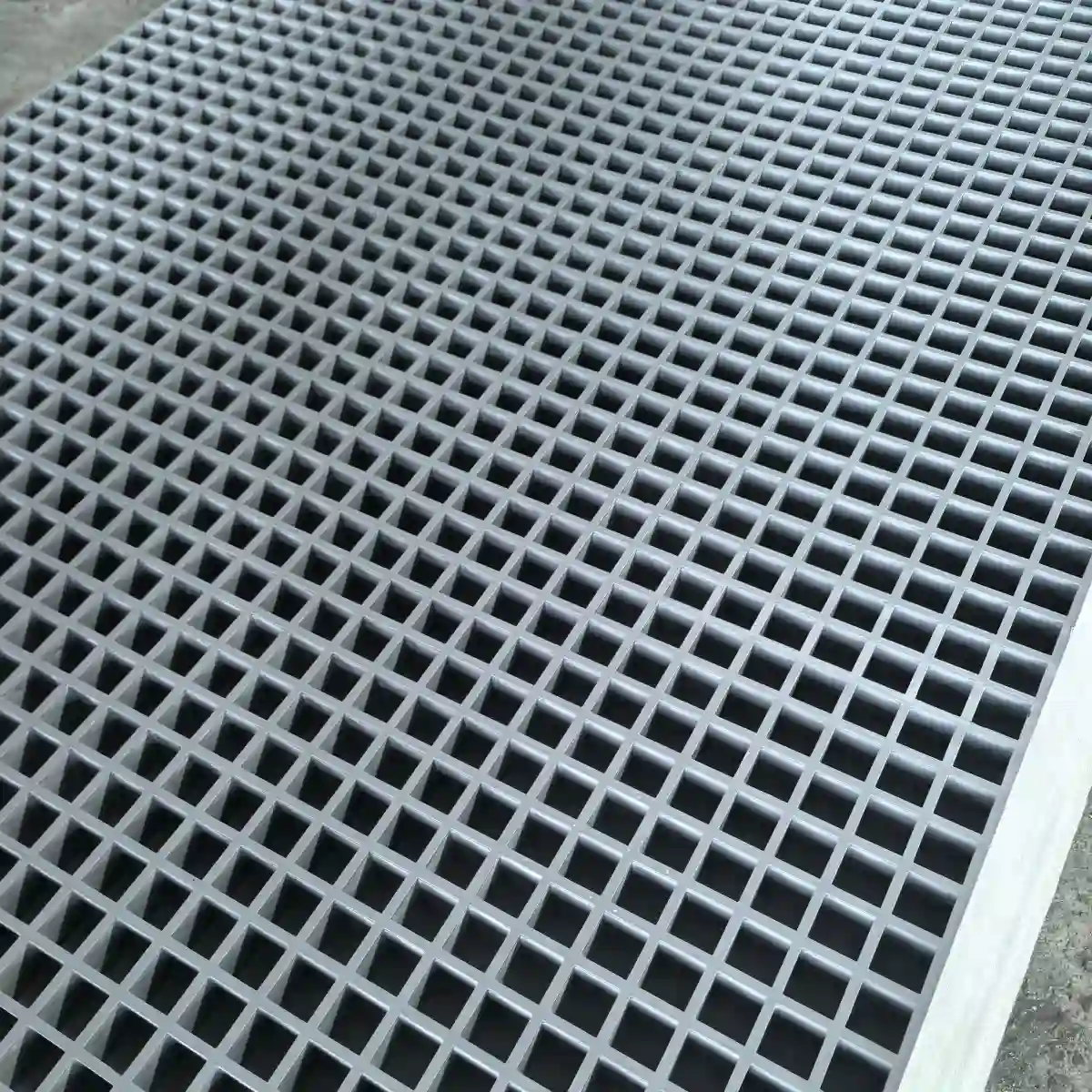
Heavy duty industrial floor grating refers to a category of open-grid flooring panels engineered to support substantial loads in demanding industrial environments. Unlike standard or light-duty grating, these heavy duty variants are manufactured with thicker bearing bars, narrower spacing, and higher-strength materials to withstand the rigorous conditions found in factories, power plants, refineries, and heavy manufacturing facilities.
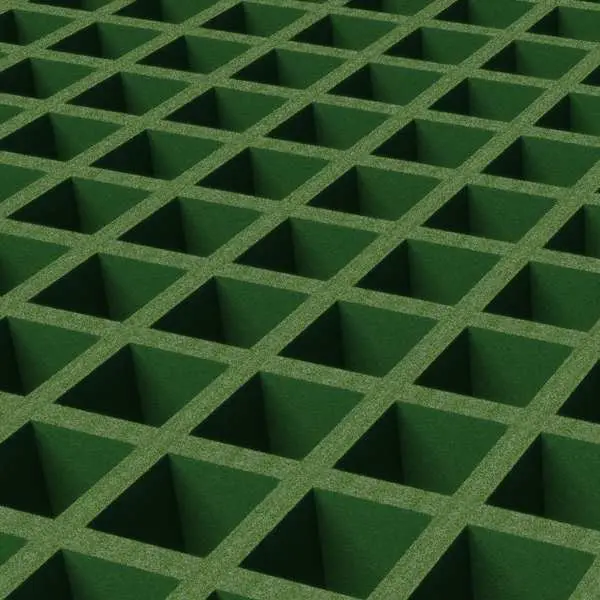
The primary function of this type of grating is to provide a safe, slip-resistant walking and working surface while allowing light, air, water, and debris to pass through the open area of the panels. This open-grid design offers several critical advantages over solid flooring:
- Drainage: Liquids and washdown water fall through immediately, reducing slip hazards and keeping the surface clean.
- Ventilation: Air circulates freely, which is essential in environments with fumes, heat, or airborne contaminants.
- Light transmission: Natural and artificial light penetrates through the grating, improving visibility on lower levels.
- Weight reduction: Grating is significantly lighter than solid steel plate, reducing structural support requirements.
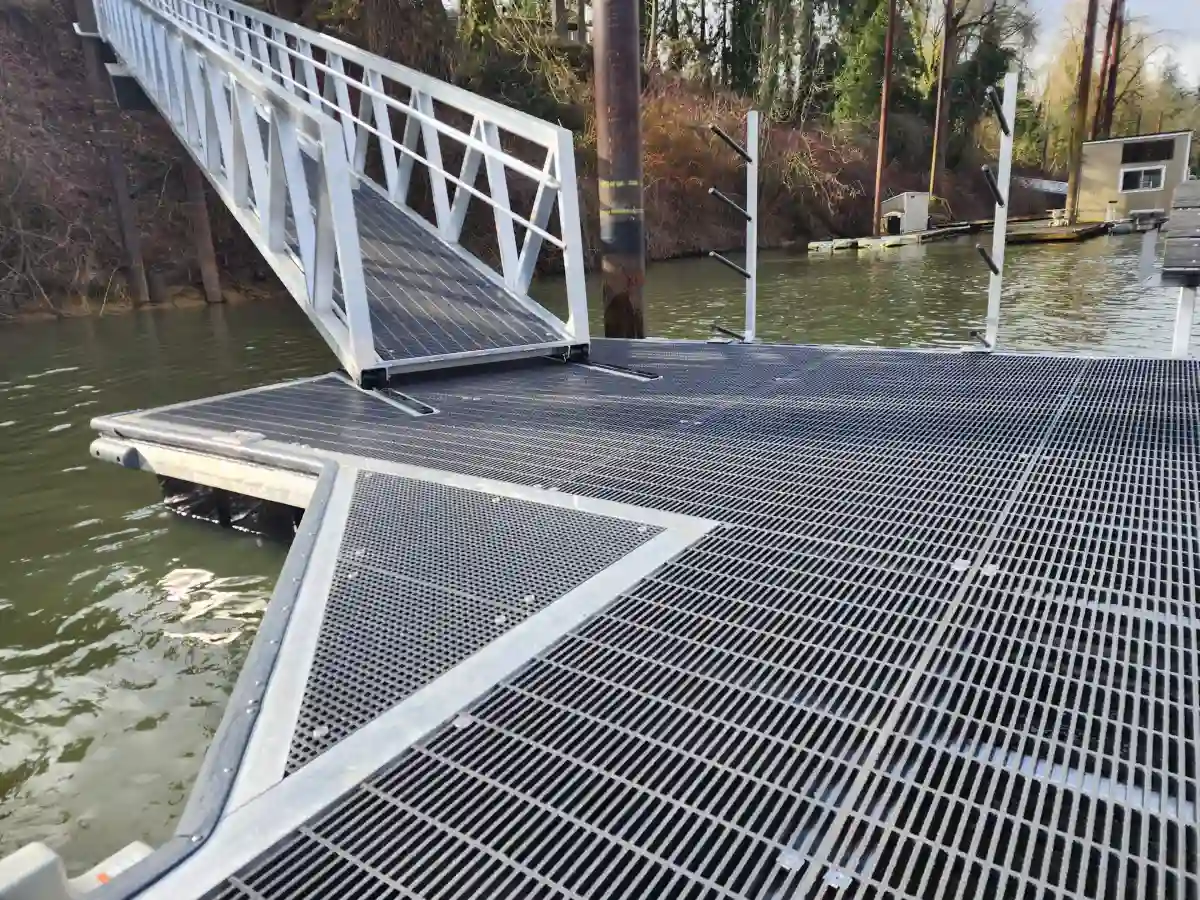
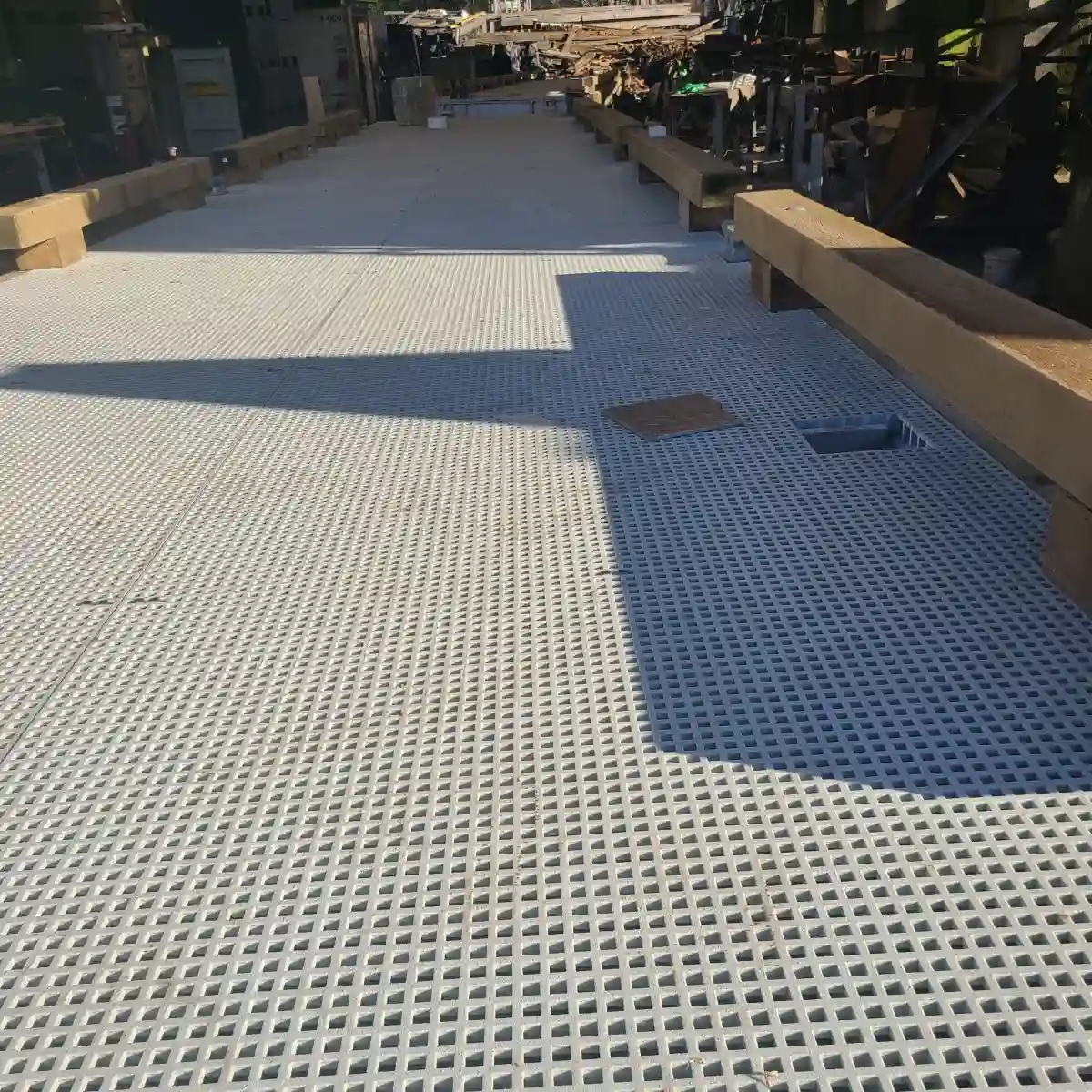
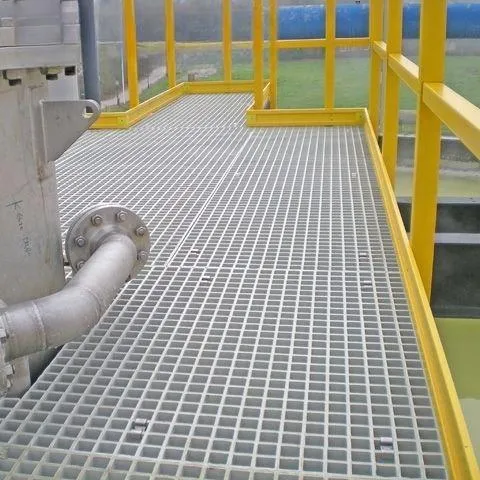
Common applications include machine platforms, mezzanine walkways, trench covers, catwalks, loading docks, and industrial floor grating for walkways in high-traffic production areas. These installations are designed to meet or exceed OSHA safety standards and are often rated for specific load classifications such as ANSI NAAMM or DIN standards.
Load Capacity of Heavy Duty Industrial Floor Grating
One of the most frequently asked questions about industrial floor grating is how much weight it can hold. The answer depends on several interrelated factors including material type, bearing bar size, span distance, and panel configuration.
Load Classifications
Industrial grating load capacities are typically classified under standards such as ANSI/NAAMM MBG 531 or ISO 14122. These standards define loading categories:
| Load Class | Uniform Load | Concentrated Load | Typical Application |
|---|---|---|---|
| Light Duty | Up to 75 psf | 250 lbs | Pedestrian walkways, light maintenance platforms |
| Medium Duty | 75–150 psf | 500 lbs | Light equipment access, mezzanine floors |
| Heavy Duty | 150–500+ psf | 1,000–3,000 lbs | Forklift aisles, heavy machinery platforms, truck access |
How Span Distance Affects Load Capacity
Load capacity is inversely related to the span distance between supports. A grating panel that can safely support 400 psf at a 2-foot span may only be rated for 150 psf at a 4-foot span. When selecting grating for your facility, always consult the manufacturer load tables to verify the rating at your specific support spacing.
For example, a typical heavy duty steel grating with 1-1/4" x 3/16" bearing bars at 2-foot centers can support approximately 400 psf uniform load over a 3-foot span, but only about 200 psf over a 5-foot span. Increasing bar thickness or using deeper bars significantly increases the load rating.
Safety Factors
Industry standards typically require a safety factor of 1.5 to 2.0 for industrial floor grating. This means the panel is designed to handle 1.5 to 2 times its rated load before reaching the yield point. Always factor in dynamic loads from moving equipment, vibration, and impact when calculating your facility’s requirements.
Materials Used in Heavy Duty Industrial Floor Grating
The material you choose for your industrial flooring project directly affects load capacity, corrosion resistance, weight, and total cost of ownership. Each material offers distinct advantages depending on the operating environment, load requirements, and budget constraints. Below we examine the most common materials used in heavy duty industrial floor grating systems.
Steel Heavy Duty Grating
Steel is the most widely used material for industrial grating due to its exceptional strength-to-cost ratio. Hot-rolled carbon steel grating with thick bearing bars (typically 1/4" or 3/16") can handle the highest load ratings of any grating material, making it the go-to choice for heavy manufacturing, warehouse aisles, and truck loading areas.
Key advantages of steel heavy duty grating:
- Highest load capacity: Steel bearing bars can support concentrated loads exceeding 3,000 lbs, ideal for forklift traffic and heavy machinery platforms.
- Cost-effective: Steel offers the lowest cost per pound of load capacity compared to aluminum or stainless steel.
- Weldability: Steel grating can be easily welded to support structures for secure, permanent installations.
- Custom fabrication: Easily cut, shaped, and modified onsite with standard tools.
The main drawback of steel is its susceptibility to corrosion. In wet, humid, or chemically aggressive environments, steel grating requires protective coatings such as hot-dip galvanizing, epoxy paint, or powder coating. Galvanized steel grating offers excellent corrosion resistance for most indoor industrial applications and is the standard choice for heavy duty flooring in factories and warehouses.
Aluminum Industrial Floor Grating
Aluminum industrial floor grating offers a compelling alternative to steel, particularly in environments where corrosion resistance and weight savings are priorities. While aluminum cannot match the absolute load capacity of steel, modern aluminum alloys (particularly 6061-T6) provide excellent strength for most heavy duty applications.
Advantages of aluminum industrial floor grating:
- Corrosion resistance: Naturally resistant to rust and corrosion, aluminum is ideal for food processing plants, chemical facilities, marine environments, and outdoor installations.
- Lightweight: Aluminum grating weighs approximately one-third as much as steel, reducing shipping costs and simplifying installation without heavy lifting equipment.
- Low maintenance: No painting or protective coating required under normal conditions, reducing lifetime maintenance costs.
- Non-sparking: Safe for use in hazardous environments where sparks from steel tools could ignite flammable materials.
- Excellent for industrial floor grating for walkways: Aluminum grating provides a safe, slip-resistant surface that remains cool underfoot in hot environments.
Aluminum heavy duty grating typically uses deeper bearing bars (up to 2" or more) to compensate for the lower modulus of elasticity compared to steel. When properly designed, aluminum industrial floor grating can handle forklift traffic and heavy pedestrian loads while lasting decades without corrosion issues.
Heavy Duty vs Light Duty Grating: How to Choose
Choosing between heavy duty and light duty industrial floor grating depends on a thorough assessment of your facility’s specific conditions. Selecting the wrong duty class can lead to premature failure, safety hazards, or unnecessary expense.
When to Choose Heavy Duty Grating
Heavy duty grating is the right choice when your facility experiences any of the following conditions:
- Forklift or vehicle traffic: If forklifts, pallet jacks, or utility vehicles will travel over the grating, heavy duty is mandatory. The concentrated wheel loads from industrial vehicles can exceed 3,000 lbs per wheel.
- Heavy machinery platforms: Grating supporting stationary or vibrating equipment must be rated for the equipment weight plus dynamic loads.
- High traffic frequency: Walkways and platforms subject to constant pedestrian traffic benefit from the thicker bearing bars of heavy duty grating, which resist fatigue over decades of use.
- Large unsupported spans: When support beams are spaced more than 3-4 feet apart, heavy duty grating with deeper bearing bars is needed to prevent excessive deflection.
- Impact or point loads: Areas where tools, parts, or materials may be dropped require the impact resistance of heavy duty grating.
When Light Duty Is Sufficient
Light duty grating (typically with thinner bearing bars and lighter construction) is appropriate for:
- Pedestrian-only catwalks and inspection platforms
- Mezzanine flooring with light storage loads
- Architectural applications such as sunscreens or decorative screens
- Areas with closely spaced supports (under 2-foot spans)
- Temporary access walkways in low-risk environments
The cost difference between light duty and heavy duty grating can be significant — often 30-50% more for heavy duty variants. However, the incremental cost is typically justified by the extended service life and safety margin in demanding industrial environments.
Installation Guide for Heavy Duty Industrial Floor Grating
Proper installation is critical to achieving the rated load capacity of industrial grating. Incorrect installation is one of the most common causes of grating failure and workplace accidents. Here is a step-by-step guide to installing heavy duty grating safely and correctly.
Step 1: Preparation and Planning
Before beginning installation, verify that the grating panels match the specifications in your engineering drawings. Check the bearing bar size, panel dimensions, and load rating against the project requirements. Ensure support beams are level, properly spaced, and capable of supporting the combined weight of the grating and design loads.
Step 2: Panel Placement
Grating panels should be placed with the bearing bars perpendicular to the support members for maximum load capacity. The cross bars (or tie bars) run parallel to the supports. Each panel should bear fully on all support beams with a minimum bearing width of 1 inch (25 mm) at each support.
Step 3: Fastening Methods
There are several approved methods for securing grating to the support structure:
- Welding: The most secure method for steel grating. Weld at least 4 inches of weld at each bearing bar on each support, or use 2-inch fillet welds at alternating bars. Welding is recommended for installations subject to vibration or lateral forces.
- Grating clips: Pre-engineered clips such as G-clips, J-clips, or saddle clips provide secure fastening without welding. These are ideal for aluminum or galvanized grating where welding would damage the protective coating.
- Bolting: Heavy-duty bolts with locking washers can be used to secure grating to steel supports. This method allows for easy removal and replacement of individual panels.
Step 4: Safety and Compliance
All installations should comply with OSHA 1910.23 (walking-working surfaces) and applicable local building codes. Ensure all cut edges are deburred, panels are level and gap-free, and any openings around pipes or equipment are properly filled with matching grating offcuts.
Heavy Duty Industrial Floor Grating Price Per Square Foot
The cost of industrial floor grating varies widely based on material, bar size, surface treatment, and order quantity. Understanding the price per square foot helps you budget accurately and compare options for your heavy duty industrial floor grating project.
Typical Price Ranges Per Square Foot
| Material | Light Duty | Medium Duty | Heavy Duty |
|---|---|---|---|
| Carbon Steel (painted) | $8–$12 | $12–$18 | $18–$30 |
| Galvanized Steel | $12–$16 | $16–$22 | $22–$38 |
| Aluminum (6061-T6) | $15–$20 | $20–$28 | $28–$45 |
| Stainless Steel (304/316) | $25–$35 | $35–$50 | $50–$80+ |
Factors Influencing Price
- Bearing bar size: Thicker and deeper bars require more material, increasing cost. A 1/4" x 2" bar costs significantly more than a 1/8" x 1" bar.
- Material choice: Stainless steel commands the highest premium, followed by aluminum, galvanized steel, and painted carbon steel.
- Surface treatment: Hot-dip galvanizing adds approximately $3–$6 per square foot compared to painted steel.
- Panel size and shape: Custom-cut panels and non-rectangular shapes incur additional fabrication charges.
- Order volume: Bulk orders (500+ square feet) typically receive 10–25% volume discounts.
- Lead time: Expedited orders may add 15–30% to the base price.
For an accurate price per square foot for your specific project, request quotes from at least three manufacturers with your exact specifications including span, load requirement, and material preference.
Where to Buy Heavy Duty Industrial Floor Grating for Factories
Finding a reliable supplier for industrial grating is essential to ensuring product quality, on-time delivery, and competitive pricing. There are several avenues for purchasing grating for factory and industrial applications.
Major manufacturers and distributors include national steel service centers, specialized grating fabricators, and online industrial supply platforms. Each channel offers different advantages depending on your project requirements and procurement preferences.
- Specialized grating manufacturers: Companies that focus exclusively on grating products offer the widest selection of materials, bar sizes, and surface treatments. They can provide engineering support, custom fabrication, and detailed load tables to help you select the right product.
- Steel service centers: Large metal distributors often stock standard grating panels and can cut to size. They are a good option for standard configurations and quick deliveries.
- Online industrial marketplaces: Platforms like Grainger, McMaster-Carr, and MSC Industrial Supply offer convenient ordering of standard grating panels with fast shipping. However, pricing for custom configurations may be higher than direct manufacturer quotes.
- Local fabricators: Regional metal fabrication shops can often source and install industrial flooring, providing a single point of responsibility for the entire project.
When evaluating where to buy industrial floor grating for factories, prioritize suppliers who can provide certified load test data, material certifications, and references from similar industrial projects.
Factors to Consider When Choosing a Supplier
Beyond basic pricing, several qualitative factors should influence your decision when selecting a grating supplier.
- Quality certifications: Look for suppliers who manufacture to recognized standards such as ANSI/NAAMM MBG 531, ISO 9001, or DIN 24537. These certifications ensure consistent product quality and reliable load ratings.
- Engineering support: The best suppliers employ experienced engineers who can help you calculate load requirements, determine optimal span configurations, and select the most cost-effective material for your specific application.
- Lead times: Standard galvanized steel grating typically ships in 2-4 weeks, while custom aluminum or stainless steel configurations may require 4-8 weeks. Factor lead times into your project schedule.
- Fabrication capabilities: If your project requires custom cutouts, angled cuts, or non-standard panel sizes, verify that the supplier has the equipment and experience to deliver accurately.
- Warranty and support: Reputable manufacturers stand behind their products with warranties ranging from 1 to 10 years depending on the material and environment.
- References and reviews: Ask for references from facilities similar to yours, particularly those that have used the same material and duty class you are considering.
Conclusion
Selecting the right floor grating for your facility requires careful evaluation of load requirements, material options, installation methods, and supplier credentials. By understanding the load capacity ratings discussed in this guide, you can confidently specify grating that will perform safely and reliably for decades.
To recap the key decision points:
- Assess your actual load conditions — including uniform, concentrated, and dynamic loads — and apply appropriate safety factors.
- Choose your material based on the operating environment: steel for maximum strength and economy, aluminum industrial floor grating for corrosion resistance and light weight, or stainless steel for harsh chemical environments.
- Compare heavy duty vs light duty options carefully — the upfront cost difference is often offset by longer service life and fewer replacements.
- Follow proper installation procedures and use approved fastening methods to achieve the rated load capacity.
- Request multiple quotes from qualified suppliers and verify their certifications and references before purchasing.
Whether you need industrial floor grating for walkways, machine platforms, or heavy vehicle access areas, investing in the correct grating system is one of the most impactful decisions you can make for workplace safety and operational efficiency.