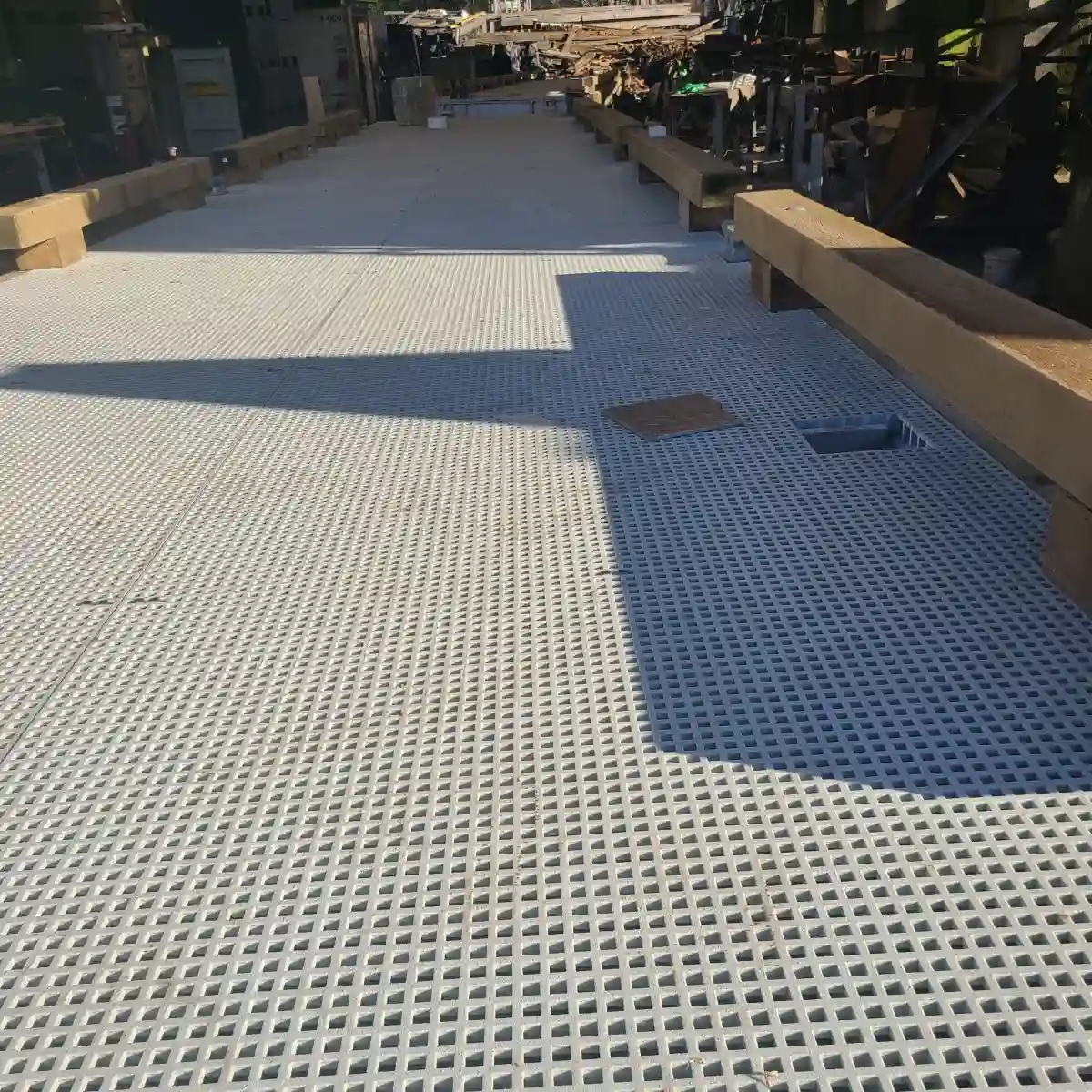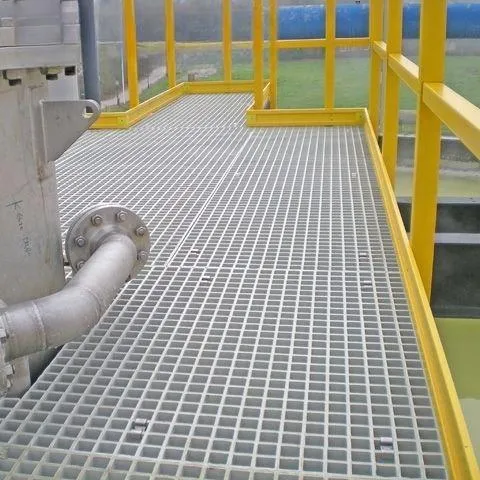
Introduction
When designing or upgrading an industrial facility, one of the most critical infrastructure decisions is choosing the right walking surface for elevated platforms, catwalks, mezzanines, and equipment access routes. Industrial floor grating for walkways provides a durable, slip-resistant, and high-strength solution that has become the standard across manufacturing plants, oil refineries, power stations, water treatment facilities, and chemical processing units.
This comprehensive guide covers everything you need to know about industrial floor grating for walkways — from material types and standard sizes to load capacities, installation methods, cost factors, and where to buy. Whether you are a facility manager, safety engineer, or procurement specialist, this article will help you select the right grating system for your specific walkway application.
We will also address key questions such as how industrial floor grating for walkways compares to anti-slip grating alternatives, what weight ratings to expect, and what budget to plan for your project.
What Is Industrial Floor Grating for Walkways?
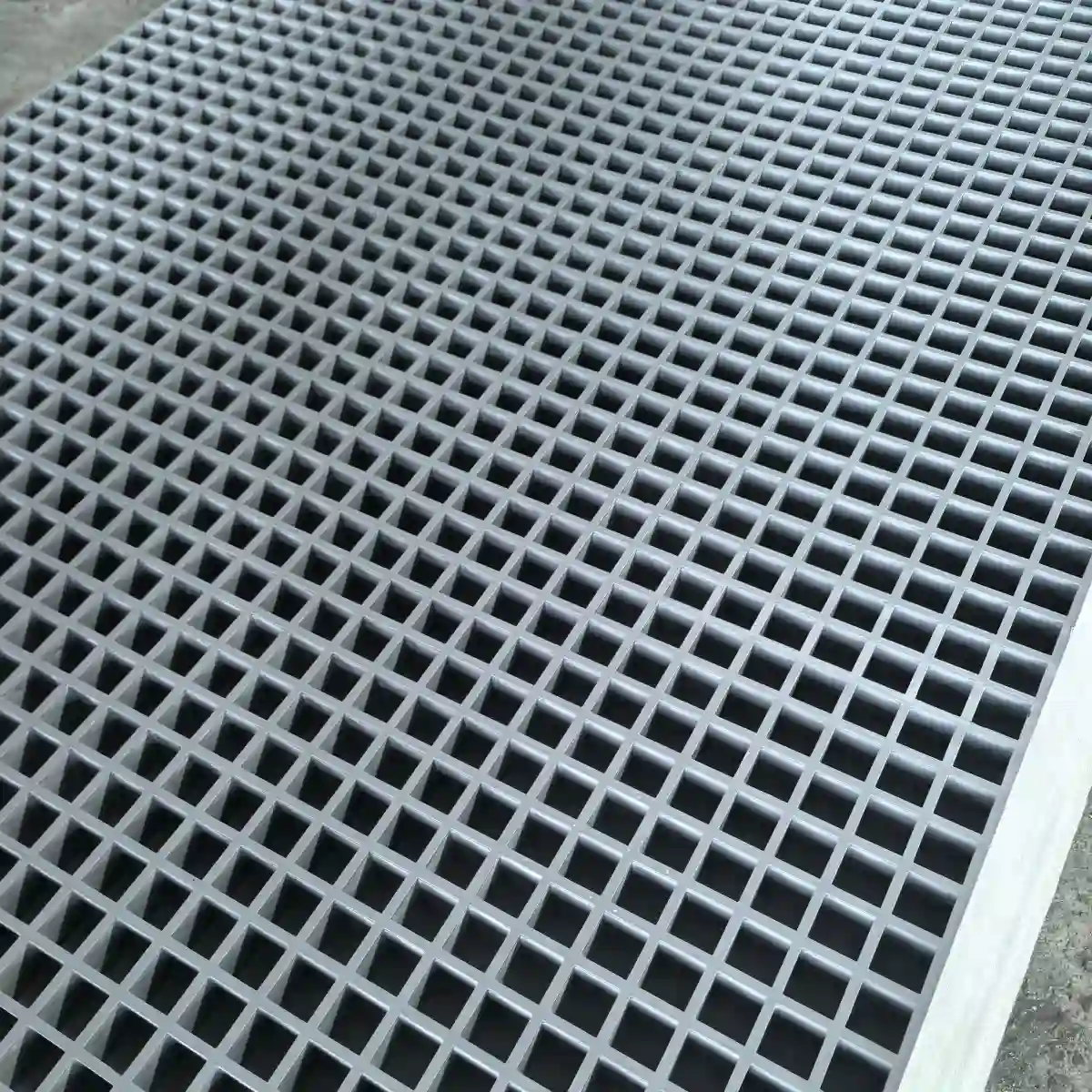
Industrial floor grating for walkways refers to a fabricated grid-like flooring system designed to provide a safe, load-bearing walking surface in industrial environments. Unlike solid flooring, grating features open areas between bearing bars that allow debris, water, oil, and other liquids to pass through, reducing slip hazards and keeping walkways clean.
The grating is typically manufactured in modular panels that can be cut, framed, and fastened to structural supports. These panels are available in a variety of materials, each suited to different operating conditions.
Materials: Aluminum, Steel, and FRP
The three most common materials used for industrial walkway grating are:
- Aluminum industrial floor grating — Lightweight, corrosion-resistant, and easy to handle. Ideal for food processing plants, offshore platforms, marine environments, and any area where weight reduction matters. Aluminum grating does not rust and requires minimal maintenance.
- Steel grating — The most economical option with the highest load-bearing capacity. Available in carbon steel (for general use) and stainless steel (for corrosive environments). Steel grating is heavier but offers maximum strength for heavy-traffic walkways.
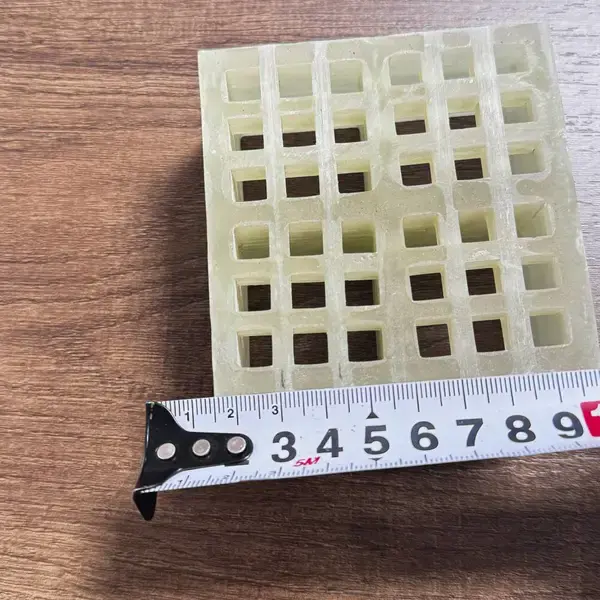
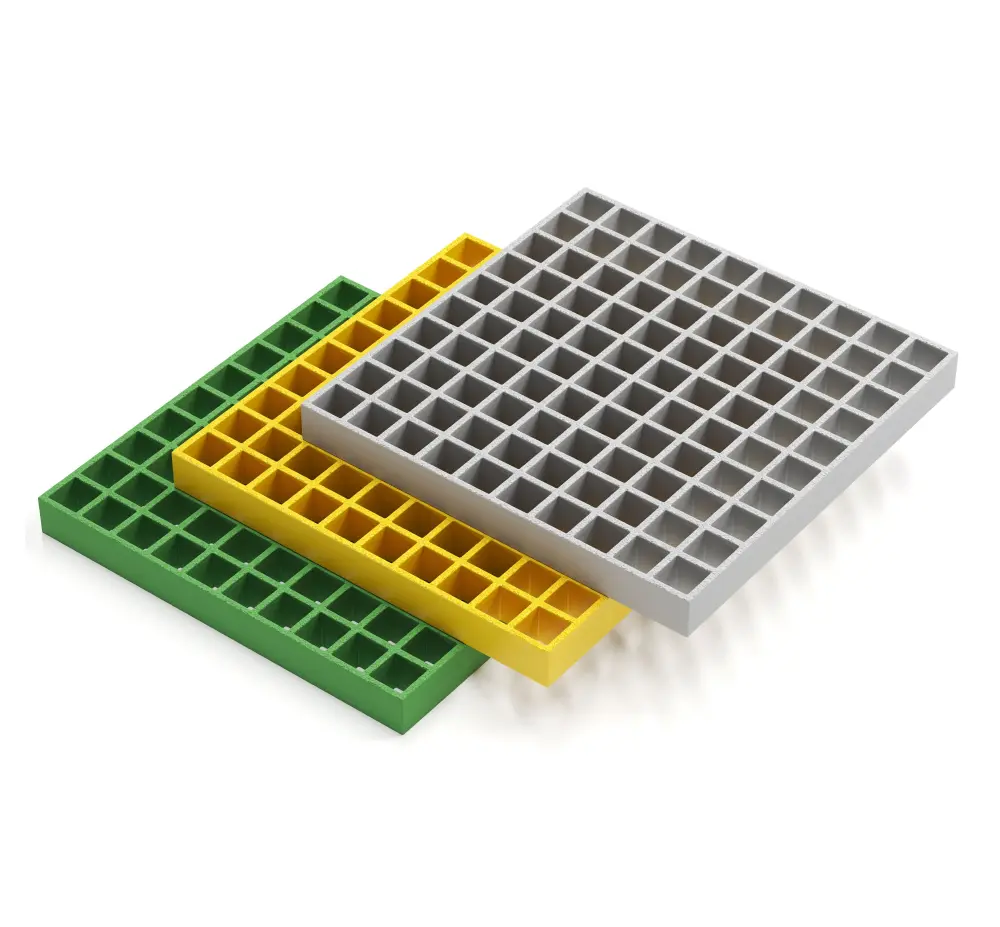
- FRP (Fiberglass Reinforced Plastic) grating — Non-conductive, chemically resistant, and extremely lightweight. FRP grating is the preferred choice for electrical substations, chemical storage areas, and wastewater treatment plants where corrosion and conductivity are concerns.
Typical Applications Across Industries
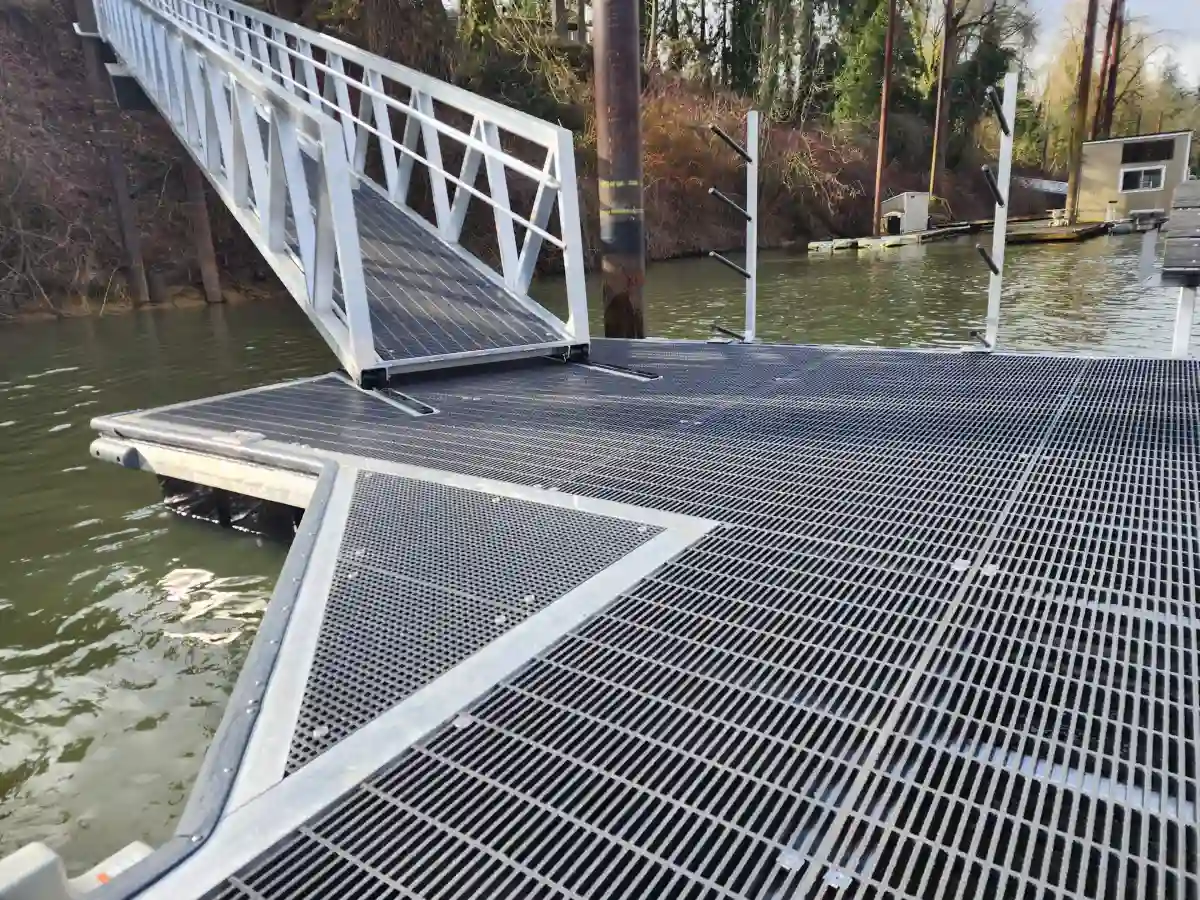
Industrial floor grating for walkways is used in a wide range of settings. Common applications include elevated catwalks between processing equipment, mezzanine flooring in warehouses, platform walkways around storage tanks, trench covers, and drainage grates. The oil and gas industry relies heavily on grating for offshore platform walkways, while manufacturing facilities use it for machine access platforms and assembly line crossings.
Standard Sizes and Specifications
Industrial floor grating for walkways is manufactured in standardized panel sizes and configurations to simplify specification and installation. Understanding these dimensions is essential when planning a walkway project.
Panel Dimensions and Bearing Bar Configuration
Standard grating panels typically measure 3 feet by 20 feet (0.91 m × 6.1 m), though many suppliers also offer 2 ft × 10 ft and 4 ft × 20 ft options. The panel width is measured in the direction of the bearing bars, while the length runs perpendicular to them. Key dimensional specifications include:
| Parameter | Typical Range | Common Values |
|---|---|---|
| Panel Width | 2 ft – 4 ft | 3 ft (most common) |
| Panel Length | 10 ft – 24 ft | 20 ft (standard) |
| Bearing Bar Height | 1 inch – 2.5 inches | 1.25", 1.5", 2.0" |
| Bearing Bar Thickness | 1/8 inch – 3/16 inch | 3/16" (heavy duty) |
| Bar Spacing (center-to-center) | 0.75" – 2.375" | 1-3/16" (standard) |
| Cross Bar Spacing | 2 inches – 4 inches | 4" (standard) |
The bearing bar spacing directly affects both load capacity and the size of objects that can pass through the openings. For pedestrian walkways, 1-3/16 inch spacing is standard. For areas where smaller tools or debris might fall through, tighter 7/8 inch or 11/16 inch spacing is recommended.
Surface Profiles: Smooth vs Serrated
Walkway grating panels come with either smooth or serrated (toothed) bearing bar surfaces. Serrated grating has notches cut into the top edge of each bearing bar, providing superior slip resistance in wet, oily, or icy conditions. For most indoor and outdoor industrial walkways, serrated grating is the preferred choice because it meets OSHA and ANSI slip-resistance requirements without requiring additional coatings or covers. Smooth-surface grating is typically used in dry, clean environments or where the grating will be covered with a plate or flooring overlay.