Introduction
When planning an industrial or commercial project that requires durable, corrosion-resistant flooring, understanding the FRP grating installation cost is essential for accurate budgeting. Fiberglass reinforced plastic (FRP) grating offers exceptional strength, chemical resistance, and longevity, making it a smart choice for facilities in wastewater treatment, chemical processing, marine environments, and food production. However, the total cost of installing FRP grating depends on multiple variables including material selection, labor rates, site preparation, and project complexity.
This comprehensive guide breaks down every component of FRP grating installation pricing — from material costs and labor estimates to comparisons with steel grating and money-saving strategies. Whether you are a facility manager, contractor, or plant engineer, this guide will help you build a realistic frp grating cost estimate for your specific application. We will cover per-square-foot pricing, industrial project costs, professional versus DIY installation, and actionable tips to minimize your total expenditure.
By the end of this article, you will have a complete understanding of what drives FRP grating installation cost and how to plan your project budget with confidence.
How Much Does FRP Grating Installation Cost?
The most common question project planners ask is straightforward: how much does FRP grating installation cost? While every project is unique, we can provide reliable cost ranges based on industry data and typical installation scenarios.
FRP grating installation cost per square foot typically falls between $25 and $55 per square foot for a complete installed system. This includes both the material supply and professional installation. Here is a breakdown by project type:
| Project Type | Material Cost (per sq ft) | Installation Labor (per sq ft) | Total Installed Cost (per sq ft) |
|---|---|---|---|
| Light-duty walkway (molded grating) | $8 – $15 | $12 – $18 | $25 – $35 |
| Industrial platform (pultruded grating) | $12 – $22 | $15 – $22 | $30 – $45 |
| Heavy-duty mezzanine flooring | $18 – $28 | $18 – $25 | $35 – $55 |
| Chemical plant flooring | $15 – $25 | $15 – $22 | $32 – $48 |
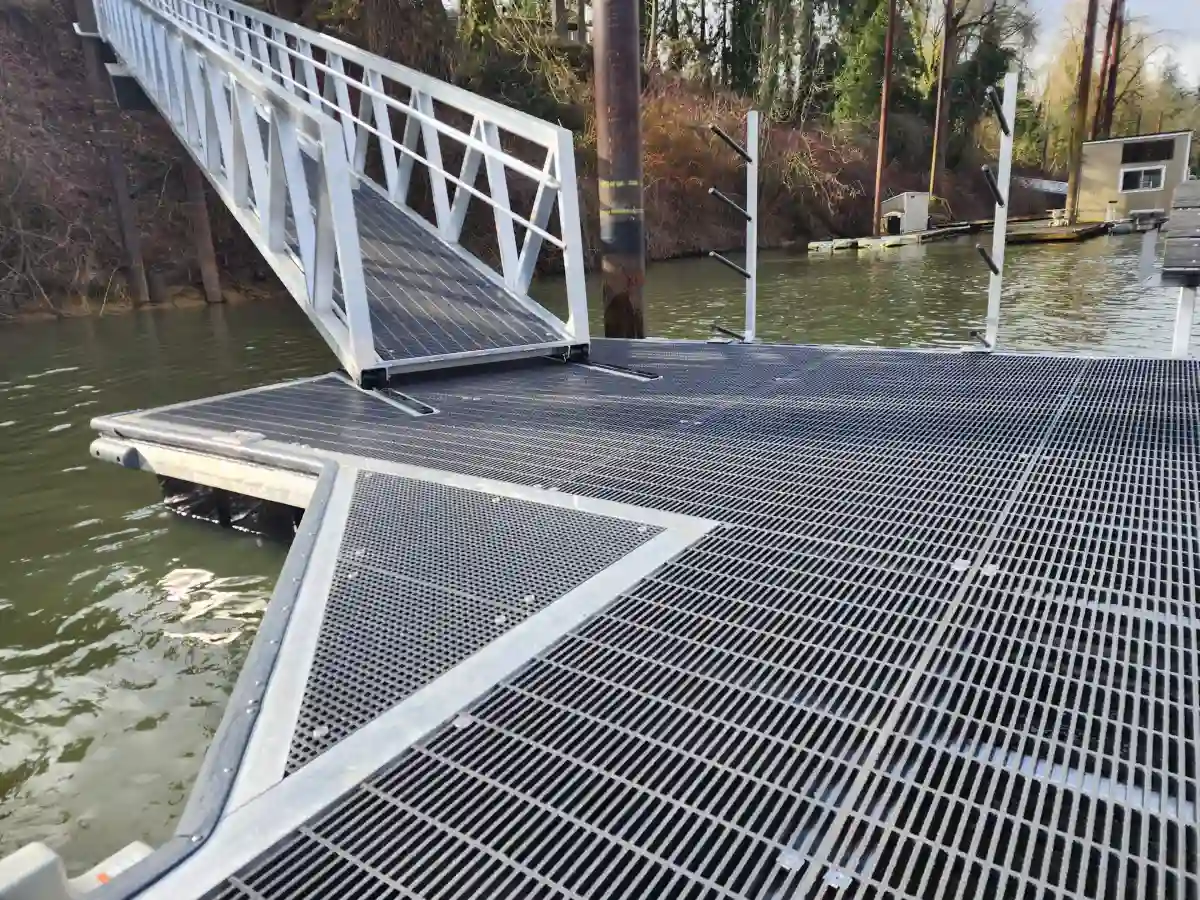
| Marine/dock application | $14 – $24 | $18 – $28 | $35 – $52 |
These figures assume standard installation conditions with reasonable access. For a typical 500-square-foot walkway, expect a total installed cost between $12,500 and $17,500. A larger 2,000-square-foot industrial platform may range from $60,000 to $90,000 fully installed.
The material itself accounts for roughly 35–45% of the total frp grating installation cost, while labor represents 40–50%, and the remaining 10–15% covers fasteners, support structure preparation, and miscellaneous supplies. Understanding this distribution helps you identify where cost-saving opportunities exist.
Key Factors Affecting FRP Grating Installation Cost
Several key variables influence the total frp grating installation cost for any given project. Understanding these factors allows you to develop an accurate frp grating cost estimate and identify areas where you can reduce expenses.
Material Costs and Grating Type
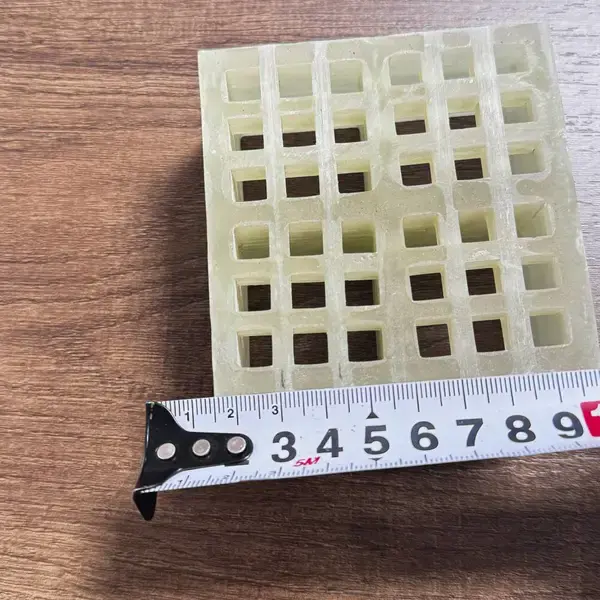
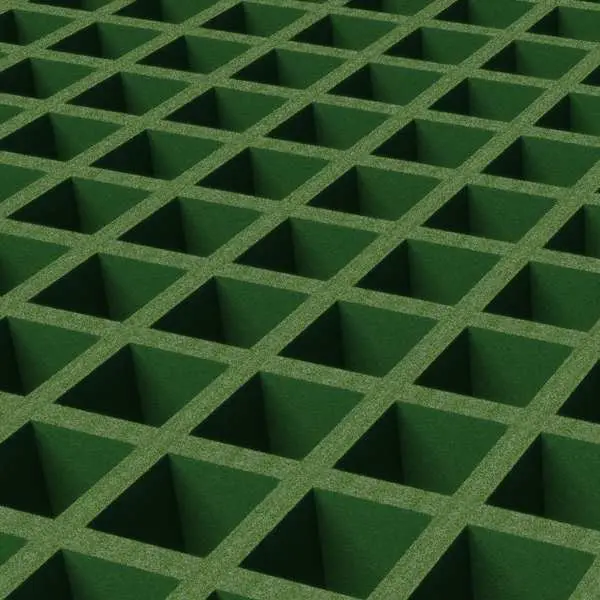
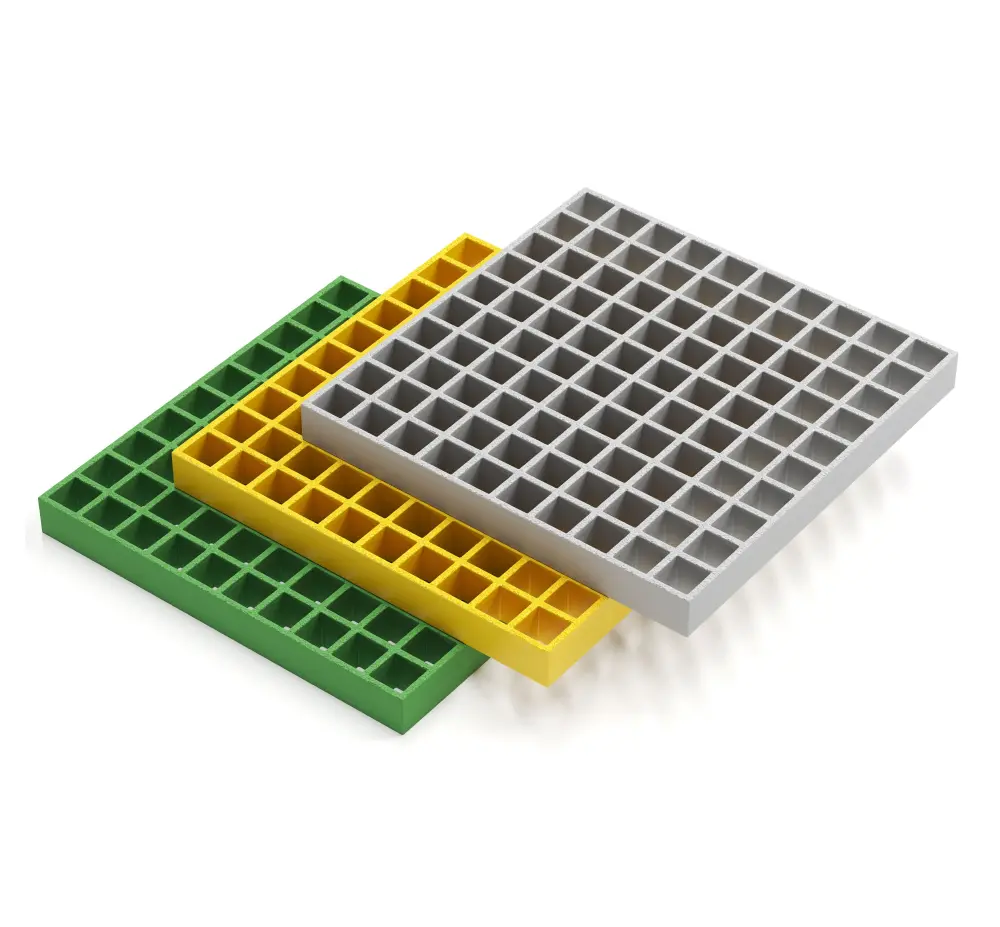
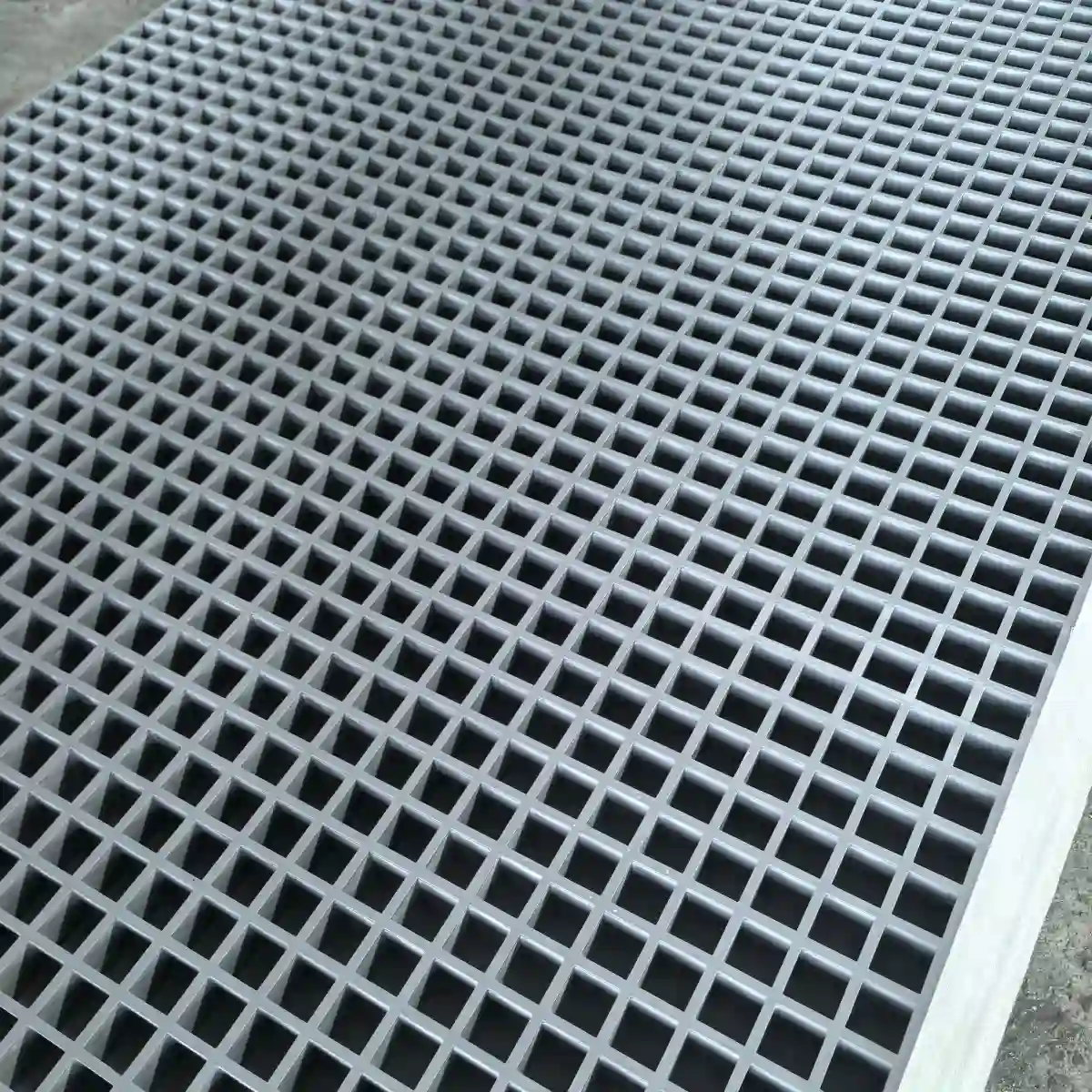
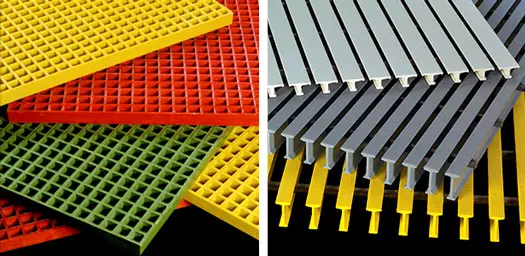
The type of FRP grating you choose has a significant impact on your overall frp grating panel price. Molded FRP grating is generally more economical, with panels typically costing $8–$15 per square foot. Pultruded FRP grating offers higher strength-to-weight ratios and costs $12–$22 per square foot. Additional material choices that affect price include:
- Resin type: Polyester resin is the most affordable, while vinyl ester and epoxy resins cost more but provide superior chemical resistance.
- Grate thickness: Standard 1-inch thick grating is most economical; 1.5-inch and 2-inch thick options cost 20–40% more.
- Surface finish: Gritted surfaces for slip resistance add $1–$3 per square foot to the material cost.
- Color and UV protection: Premium colors and UV-inhibited formulations carry a small upcharge.
Labor Costs and Installation Complexity
Labor represents the largest single component of FRP grating installation cost. Installation complexity varies based on:
- Height and access: Ground-level installation is fastest; elevated platforms requiring scaffolding add 30–50% to labor time.
- Cutting and fitting: Projects requiring extensive on-site cutting around pipes, columns, and equipment increase labor hours substantially.
- Fastening method: Clip-and-bracket systems install faster than through-bolting or counter-sunk fastening methods.
- Safety requirements: Projects requiring fall protection, confined space entry, or hot-work permits add compliance costs.
Project Size and Site Conditions
Economies of scale apply to FRP grating installation. Larger projects typically achieve lower per-square-foot costs because mobilization, setup, and overhead are spread across more square footage. Site conditions that affect the frp grating installation cost include:
- Existing substructure: Projects requiring new structural steel supports add $5–$15 per square foot.
- Site accessibility: Difficult access for material delivery and equipment increases handling costs.
- Working around operations: Installations in active facilities often require weekend or shift-work premiums.
- Geographic location: Labor rates vary significantly by region, with urban areas typically 15–25% higher than rural locations.
FRP Grating Installation Cost vs Steel Grating
A critical decision in many projects is choosing between fiberglass and steel grating. When comparing FRP grating installation cost vs steel grating installation, the initial price difference tells only part of the story.
| Cost Factor | FRP Grating | Steel Grating |
|---|---|---|
| Material cost per sq ft | $10 – $28 | $8 – $20 |
| Installation labor per sq ft | $12 – $28 | $15 – $30 |
| Total installed cost per sq ft | $25 – $55 | $25 – $50 |
| Maintenance cost (10 years) | $0 – $2/sq ft | $8 – $18/sq ft |
| Replacement frequency | 20+ years | 8–15 years (corrosive environments) |
| Weight per sq ft (1.5" thick) | 3–5 lbs | 10–15 lbs |
While FRP grating installation cost vs steel grating installation cost appears similar at first glance, the long-term economics strongly favor FRP in corrosive environments. Steel grating requires ongoing painting, galvanizing repairs, and eventual replacement — costs that can double the total lifecycle expense. FRP grating never rusts, never needs painting, and maintains its structural integrity for decades.
Installation of steel grating is significantly heavier work, requiring more crew members and heavier lifting equipment. The lighter weight of FRP grating (60–70% lighter than steel) reduces handling labor and allows smaller crews to complete installations more quickly. For projects in chemical plants, wastewater facilities, or coastal environments, the lifecycle cost advantage of FRP over steel is typically 30–50% despite a slightly higher initial frp grating installation cost.
Additionally, FRP grating is non-conductive and non-sparking, eliminating the need for grounding and reducing electrical safety risks during installation — an advantage that also affects overall project cost.
How to Estimate FRP Grating Installation Cost for Your Project
Developing a reliable frp grating cost estimate requires a methodical approach that accounts for all project variables. Follow these steps to estimate your FRP grating installation cost accurately:
- Measure the installation area: Calculate the total square footage, accounting for cutouts around columns, equipment bases, and irregular shapes. Add 5–8% for waste and off-cuts.
- Select the grating type and resin: Choose between molded and pultruded grating based on load requirements. Match the resin system to your chemical exposure environment.
- Specify the support structure: Determine whether existing steelwork is adequate or if new supports are needed. This can represent 15–25% of total project cost.
- Choose the fastening system: G-clips, saddle clips, or counter-sunk fasteners each have different material and labor costs. Clip systems are fastest to install.
- Get multiple supplier quotes: Request itemized quotes from at least three FRP grating suppliers that separate material, labor, and ancillary costs.
- Factor in access and logistics: Include costs for scaffolding, material handling equipment, and any required work-hour premiums.
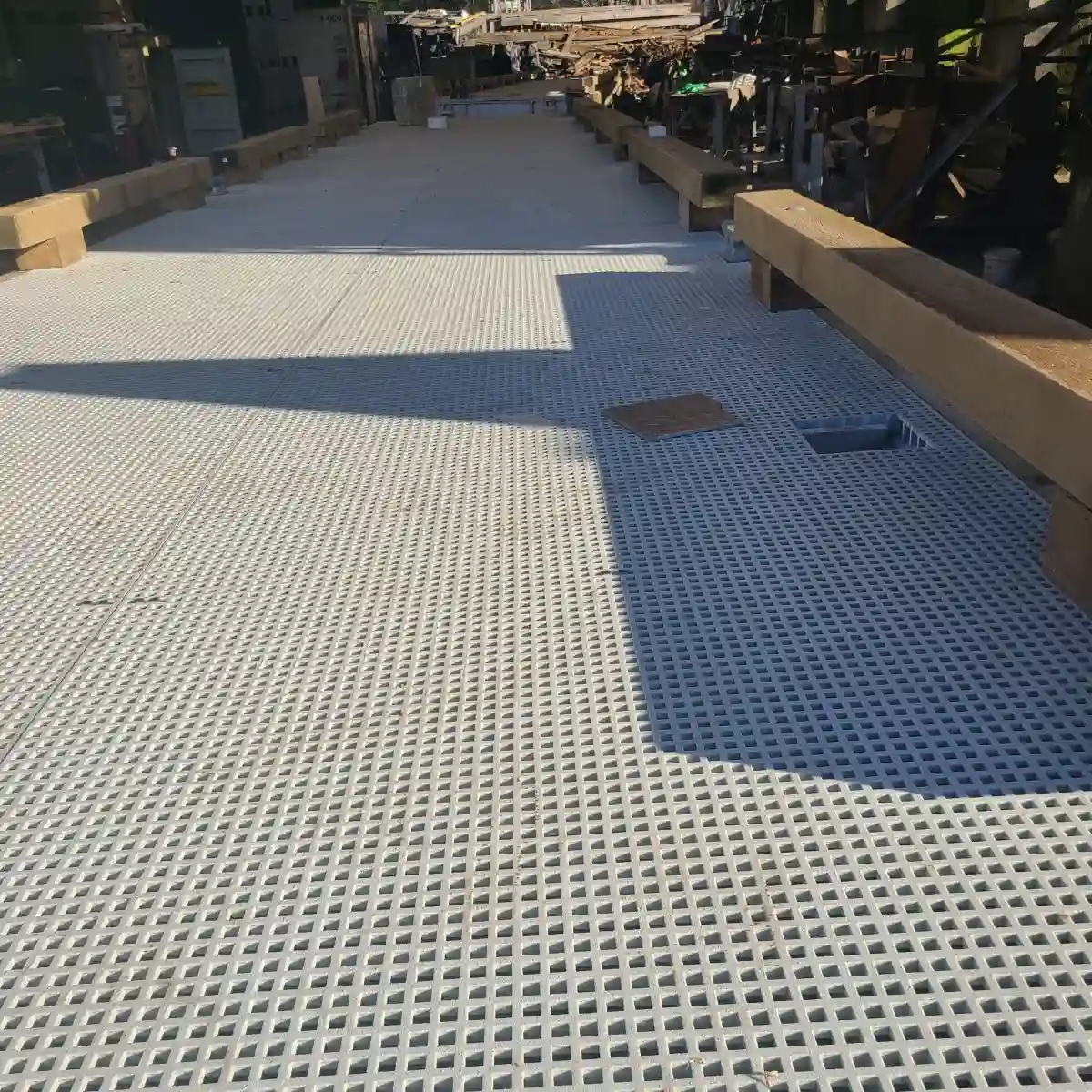
How to estimate FRP grating installation cost for a walkway: For a typical pedestrian walkway using 1-inch molded FRP grating, start with the material cost ($10–$14/sq ft), add labor ($14–$18/sq ft), and include fasteners and bearing bars ($2–$4/sq ft). A straightforward 6-foot-wide by 100-foot-long walkway (600 sq ft) would thus range from $15,600 to $21,600 fully installed. Add 15% if the walkway is elevated above 10 feet or requires significant cutting around existing structures.
Always request that contractors provide a detailed line-item frp grating cost estimate rather than a lump sum. This transparency helps you compare bids fairly and identify which components are driving the price in your specific application.
Labor Cost for FRP Grating Installation
Understanding what is the labor cost for FRP grating installation helps you evaluate contractor bids and decide between professional and self-installed approaches.
Professional FRP grating installation labor rates typically range from $50 to $90 per hour per installer, depending on geographic region and installer expertise. A standard installation crew consists of 2–3 workers, and productivity averages 40–70 square feet per labor-hour for straightforward ground-level installations. This translates to a labor cost of $12–$28 per square foot depending on complexity.
Factors that increase labor costs include:
- Elevated installations requiring scaffolding or aerial lifts — add 30–50% to labor hours
- Complex cutouts around pipes, columns, and irregular shapes — reduce productivity to 25–40 sq ft per labor-hour
- Heavy-duty grating (1.5-inch or 2-inch) — heavier panels slow handling and installation
- Premium-time work (weekends, night shifts, or production shutdown windows) — typically 1.5x to 2x standard rates
- Safety training and equipment — confined space or fall protection requirements add preparation time
Is professional FRP grating installation worth the cost? For most commercial and industrial projects, the answer is yes. Professional installers bring specialized tools (abrasive saws with dust collection, torque wrenches for fasteners, and lifting equipment), knowledge of proper bearing bar spacing and load distribution, and familiarity with safety protocols. Improper installation can void manufacturer warranties and create safety hazards. The additional cost of professional installation, typically 15–25% of the total project, provides assurance that the grating system performs as engineered.
However, for small, simple, ground-level applications — such as a residential dock or a small maintenance platform — skilled DIY installation can be feasible and cost-effective, particularly if you already own the necessary cutting and safety equipment.
FRP Grating Installation Cost for Industrial Projects
Large-scale industrial projects present unique cost considerations. FRP grating installation cost for industrial projects typically ranges from $30 to $55 per square foot fully installed, with the higher end reflecting the demanding conditions of heavy industrial environments.
Industrial project cost components include:
| Cost Component | Typical Range | % of Total |
|---|---|---|
| Heavy-duty pultruded grating | $18 – $28/sq ft | 35–45% |
| Structural steel support modifications | $5 – $15/sq ft | 10–20% |
| Professional installation labor | $18 – $28/sq ft | 35–45% |
| Engineered fastening systems | $3 – $6/sq ft | 5–10% |
| Safety and compliance (permits, PPE, training) | $2 – $5/sq ft | 3–8% |
| Mobilization and site logistics | $1,500 – $5,000 lump sum | 3–5% |
Industrial projects frequently involve corrosive environments, heavy load requirements, and stringent safety standards. Chemical processing plants, for example, require vinyl ester or phenolic resin grating that resists aggressive chemicals — adding $3–$8 per square foot to the material cost compared to standard polyester grating. FRP grating installation cost for industrial projects also tends to be higher due to stricter safety protocols, quality assurance documentation, and often the need to work around ongoing plant operations.
Several strategies can reduce industrial installation costs without compromising quality. Ordering grating pre-cut to shop drawings reduces on-site labor by 15–25%. Scheduling installation during planned shutdowns avoids premium-time labor charges. Using standardized panel sizes minimizes waste and cutting time. Each of these approaches can significantly impact the total frp grating installation cost for industrial-scale applications.
DIY vs Professional Installation: How to Save Money
Reducing your FRP grating installation cost is possible through several proven strategies. Here is how to minimize expenses while maintaining quality and safety.
Can I save money by installing FRP grating myself? DIY installation can reduce total project cost by 30–50% by eliminating labor charges. However, this approach is practical only for smaller, ground-level projects. Consider DIY installation for areas under 300 square feet at ground level with straightforward layouts and minimal cutting. For larger or elevated projects, professional installation is strongly recommended due to safety considerations and the technical requirements of proper fastening and load distribution.
Here are the most effective ways how to save money on FRP grating installation cost:
- Buy direct from manufacturers: Eliminate distributor markups by purchasing FRP grating panels directly. This can save 10–20% on material costs. Compare frp grating panel price across multiple manufacturers before committing.
- Order pre-cut grating: Provide accurate shop drawings to your supplier and have panels pre-cut to size. On-site cutting labor typically adds $3–$6 per square foot. Pre-cutting reduces installation time by 20–30%.
- Use clip-fastening systems: G-clips and saddle clips install faster than through-bolting, reducing labor hours by 15–25% compared to traditional fastening methods.
- Standardize panel sizes: Design your layout to use standard 4×8 or 4×12 foot panels with minimal custom sizes. Custom panel sizes increase both material cost and cutting labor.
- Bundle projects: If you have multiple installation areas, bundle them into a single project to achieve better pricing through economies of scale.
- Schedule during normal business hours: Avoid overtime and premium-time charges by planning installations during standard working hours.
How to minimize FRP grating installation cost without sacrificing quality starts with proper planning. Invest time in accurate measurements and clear specifications before requesting quotes. A well-defined scope of work attracts more competitive bids and reduces the risk of costly change orders during installation. Remember that the lowest upfront bid is not always the best value — evaluate the total installed cost, material quality, and installer qualifications together.
For small projects, consider combining DIY installation of the grating with professional preparation of the support structure. This hybrid approach lets you save on labor for the straightforward portions while ensuring the critical structural elements are professionally installed.
Conclusion
Understanding the full picture of FRP grating installation cost empowers you to make informed decisions for your project. From material selection and labor rates to long-term lifecycle value versus steel alternatives, every factor plays a role in determining your total investment.
To summarize the key takeaways: expect a total installed FRP grating installation cost of $25 to $55 per square foot depending on project complexity, with material representing 35–45% and labor 40–50% of the total. While FRP grating has a slightly higher upfront cost than steel in some cases, its zero-maintenance, corrosion-proof nature delivers superior lifecycle value — especially in harsh environments. Developing a detailed frp grating cost estimate before starting ensures your budget aligns with project requirements.
Whether you choose professional installation for large industrial applications or a DIY approach for a smaller walkway, careful planning, direct material sourcing, and strategic choices in grating type and fastening methods can significantly reduce your total expenditure. Always obtain multiple itemized quotes, verify installer credentials for complex projects, and prioritize quality materials that match your specific environmental conditions. With the information in this guide, you are well equipped to plan, budget, and execute your FRP grating installation project successfully.