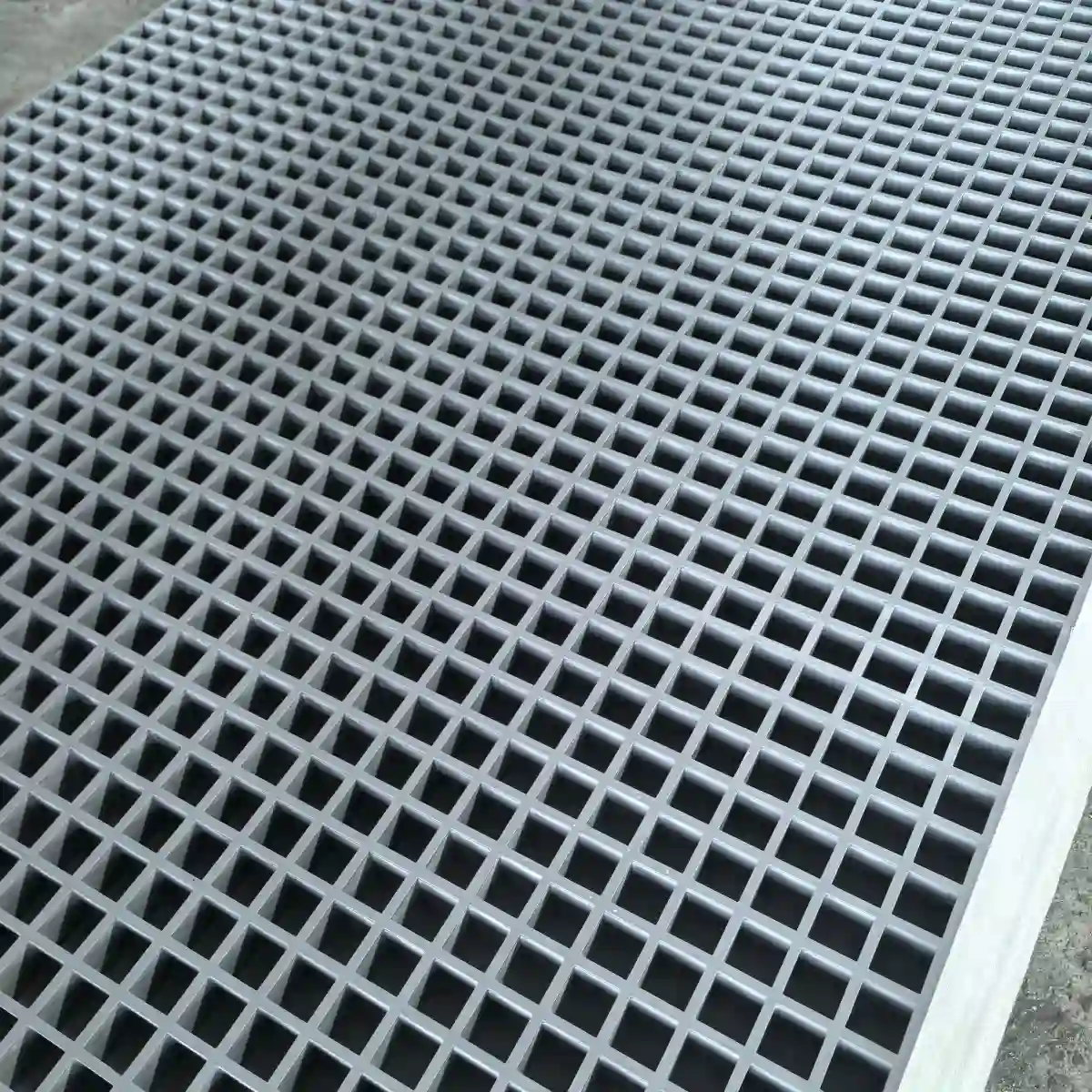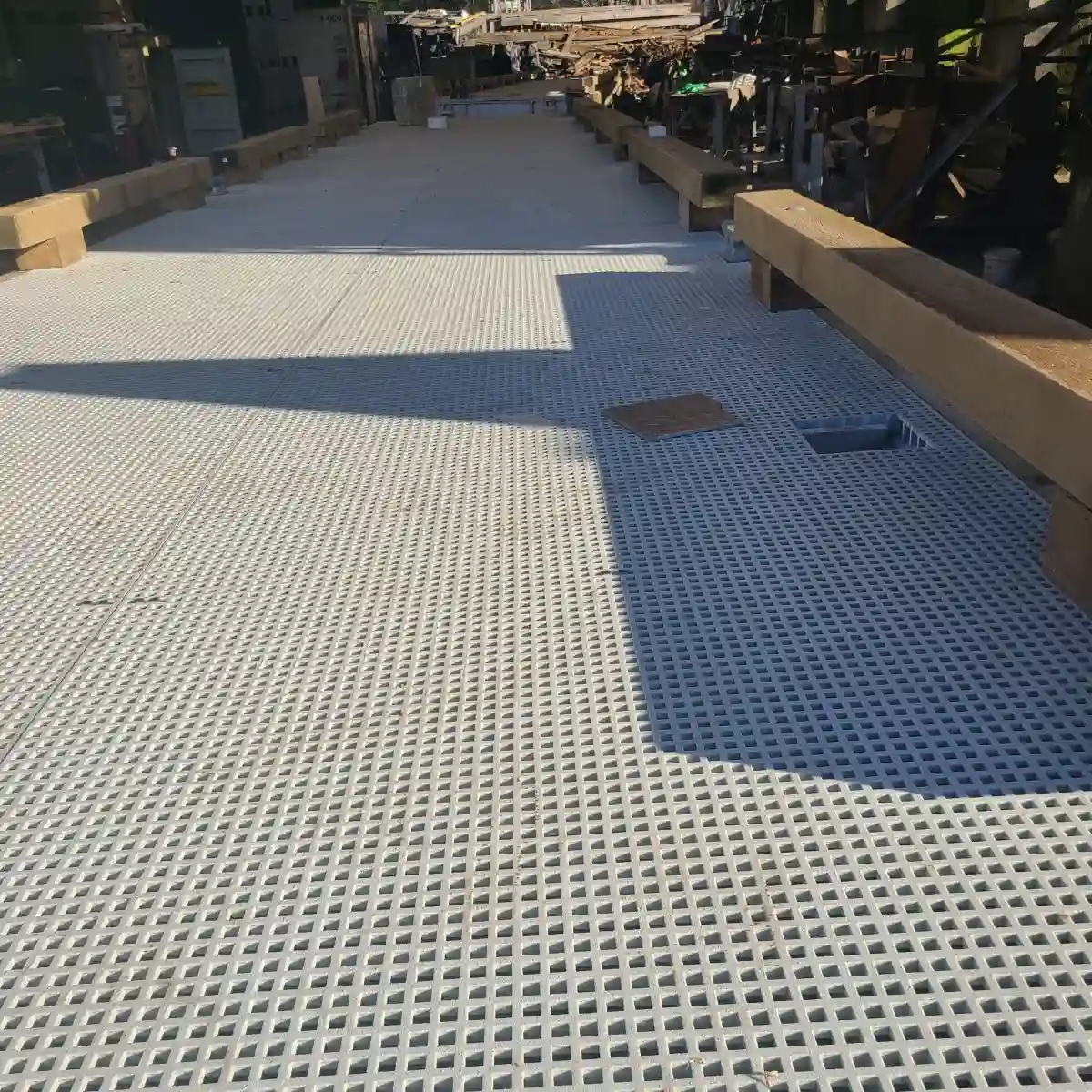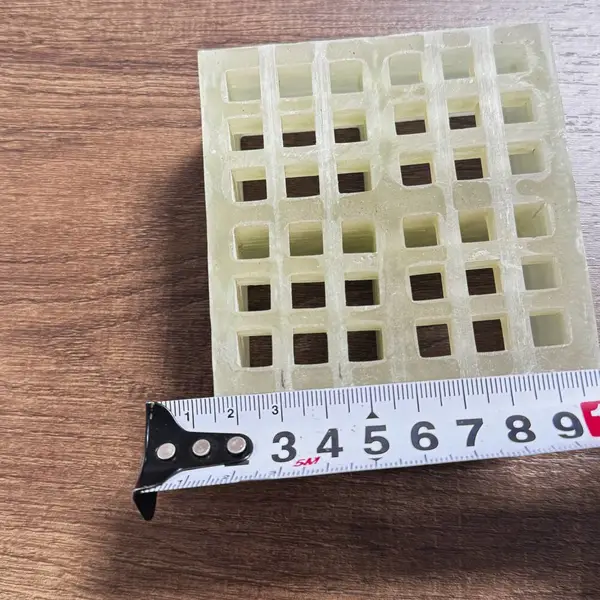
Introduction
Selecting the right industrial corrosion resistant flooring is one of the most critical decisions facility managers, plant engineers, and construction specifiers face when building or upgrading manufacturing plants, warehouses, chemical processing facilities, and food production environments. The wrong choice can lead to premature degradation, costly repairs, safety hazards, and unplanned downtime that disrupts operations.
This comprehensive selection guide covers everything you need to know — from understanding what these specialized floor systems are and exploring the best types available, to installation procedures, cost comparisons, and maintenance best practices. Whether you are outfitting a chemical plant, a food processing facility, or a heavy manufacturing floor, this guide will help you make an informed decision that balances performance, durability, and budget.
Throughout this article, we answer the most common questions facility buyers ask: What are the best material options? How do these systems compare to sealed concrete? What is the cost per square foot? How are they installed and maintained? By the end, you will have a clear roadmap for selecting and implementing the ideal corrosion protection system for your facility.
What Is Industrial Corrosion Resistant Flooring?
Industrial corrosion resistant flooring is a specialized floor surfacing system engineered to withstand chemical attack, moisture intrusion, physical abrasion, and thermal stress in demanding industrial environments. Unlike standard concrete floors or conventional paints, these systems incorporate advanced resin technologies — such as epoxy, polyurethane, vinyl ester, and novolac — that form a dense, non-porous barrier between the concrete substrate and aggressive chemicals.
Corrosion in industrial floors occurs when acidic or alkaline substances, solvents, oils, or moisture penetrate the concrete surface. Concrete is naturally porous and alkaline; when exposed to acids or certain chemicals, it undergoes chemical reactions that cause spalling, cracking, and structural weakening. Resin-based protective flooring solves this problem by providing a continuous, impermeable membrane that blocks chemical penetration and protects the underlying concrete.
Key industries that require these protective flooring systems include:
- Chemical processing and petrochemical plants — where acids, caustics, and solvents are handled daily
- Food and beverage facilities — where organic acids, cleaning agents, and hot water create corrosive conditions
- Pharmaceutical manufacturing — requiring strict hygiene and chemical resistance
- Automotive and aerospace workshops — exposed to oils, hydraulic fluids, and de-icing chemicals
- Wastewater treatment plants — dealing with hydrogen sulfide and other corrosive gases
- Battery manufacturing and recycling facilities — where electrolyte spills are common
The performance of these systems is measured by their chemical resistance rating, tensile strength, impact resistance, thermal shock tolerance, and slip resistance. Each application environment demands a specific combination of these properties, which is why understanding the available material options is essential before making a selection.
Best Types of Industrial Corrosion Resistant Flooring
Choosing from the best types of industrial corrosion resistant flooring requires a clear understanding of how each resin system performs under specific chemical exposures, temperature ranges, and mechanical loads. Below we break down the most common and high-performance options available in the market today.
Epoxy Flooring Systems
Corrosion resistant epoxy flooring is the most widely specified system for industrial applications. Epoxy resins offer excellent adhesion to concrete, high compressive strength, and good resistance to a broad range of chemicals including oils, greases, mild acids, and alkalis. Epoxy systems are available in several configurations:
- Self-leveling epoxy — ideal for creating smooth, seamless surfaces in warehouses and production areas. Typical thickness ranges from 3-6 mm.
- Epoxy mortar systems — incorporate silica sand or quartz aggregate for enhanced impact and thermal shock resistance, suitable for heavy-load zones.
- Epoxy flake or broadcast systems — decorative and slip-resistant, often used in public areas of industrial facilities.
- Epoxy primer and topcoat combinations — cost-effective solutions for moderate chemical exposure environments.
One important consideration: standard epoxy systems have limited resistance to concentrated acids and high-temperature thermal cycling. For aggressive chemical environments, a novolac or vinyl ester system may be more appropriate.
Polyurethane and Polyaspartic Coatings
Polyurethane and polyaspartic flooring systems offer superior UV stability, flexibility, and abrasion resistance compared to epoxy. They excel in environments that experience thermal shock, such as food processing plants where hot water washdowns alternate with cold storage conditions. Key advantages include:
- Fast cure times — polyaspartic coatings can be walked on within hours, minimizing downtime
- Excellent color retention and gloss stability under UV exposure
- Higher elongation — accommodates concrete substrate movement without cracking
- Superior resistance to organic acids found in food and beverage processing
Vinyl Ester and Novolac Resin Systems
For the most demanding chemical exposures — concentrated sulfuric acid, hydrochloric acid, chlorine, and aggressive solvents — vinyl ester and novolac epoxy systems are the gold standard. These high-performance resins are specifically formulated for extreme chemical resistance and can withstand continuous exposure to pH levels from 0 to 14, as well as temperatures up to 200°F (93°C) in many formulations.
Vinyl ester systems are commonly specified in:
- Secondary containment areas for chemical storage tanks
- Chemical loading and unloading zones
- Electroplating and metal finishing facilities
- Battery rooms and acid-battery charging stations
While these systems carry a higher upfront cost, their extended service life in aggressive environments often makes them the most economical choice over the full lifecycle of the flooring investment.
Industrial Corrosion Resistant Flooring for Chemical Plants
Floor systems for chemical plants must meet exceptionally stringent performance criteria. These facilities handle a diverse range of aggressive substances — from sulfuric acid and sodium hydroxide to organic solvents and oxidizing agents — that would rapidly degrade standard concrete or conventional floor coatings.
When selecting flooring for chemical plant environments, specifiers must evaluate several critical factors:
- Chemical concentration and temperature — a flooring system rated for 10% sulfuric acid at ambient temperature may fail when exposed to 50% acid at 60°C. Always verify the chemical resistance data against your specific process conditions.
- Spill frequency and duration — areas with frequent or prolonged chemical contact require higher-performance resin systems such as novolac epoxy or vinyl ester.
- Thermal shock resistance — many chemical processes involve hot liquids, steam cleaning, or rapid temperature changes. The flooring must accommodate thermal expansion and contraction without delaminating.
- Secondary containment requirements — environmental regulations often require containment dikes and sumps around chemical storage tanks. These areas must be lined with a continuous, impermeable corrosion-resistant membrane.
For chemical plant applications, the recommended approach is a multi-layer system: a penetrating epoxy primer to seal the concrete, a built-up mortar layer to provide mechanical strength, and a chemical-resistant topcoat such as vinyl ester or novolac epoxy. Flake-reinforced systems are also popular because the mica or glass flakes create a tortuous path that slows chemical penetration.
It is also essential to install proper floor drains and slopes (minimum 1/8 inch per foot) to facilitate rapid removal of spilled chemicals and wash water. Cove bases — curved transitions between the floor and wall — eliminate crevices where corrosive liquids can accumulate, making cleanup more effective and reducing long-term corrosion risk.
Industrial Corrosion Resistant Flooring vs Sealed Concrete
One of the most common questions facility managers ask is how dedicated resin flooring systems compare to sealed concrete in real-world performance. While sealed concrete is a lower-cost option upfront, the differences in longevity, chemical protection, and total cost of ownership are substantial.| Property | Industrial Corrosion Resistant Flooring | Sealed Concrete |
|---|---|---|
| Chemical resistance | High — engineered to resist acids, alkalis, and solvents | Low — sealers degrade quickly under chemical attack |
| Service life | 10-20 years depending on system type and traffic | 1-3 years before reapplication is needed |
| Impact and abrasion resistance | Excellent — resin systems absorb and distribute impact forces | Moderate — concrete dusts and spalls under heavy traffic |
| Hygiene and cleanability | Seamless, non-porous surface resists bacterial growth | Porous — sealers wear and create harborage for bacteria |
| Thermal shock tolerance | Good to excellent depending on resin selection | Poor — thermal cycling causes sealer delamination |
| Initial cost (installed) | $4 - $15 per sq ft depending on system | $1 - $3 per sq ft |
| 20-year total cost | $4 - $15 per sq ft (one installation) | $6 - $18 per sq ft (multiple reapplications + repairs) |
How to Install Industrial Corrosion Resistant Flooring
Understanding the correct installation procedure is essential for achieving long-term performance. Even the highest-quality resin system will fail prematurely if the installation is not executed correctly. The process follows a sequence of critical steps that must be performed under controlled conditions.
Surface Preparation
Surface preparation is the single most important factor determining the success of any protective flooring installation. The concrete substrate must be clean, sound, and properly profiled to accept the resin system. Standard preparation methods include:
- Shot blasting — the preferred method, which uses steel shot propelled at high velocity to clean the surface and create a uniform mechanical profile (CSP 3-5, or Concrete Surface Profile 3-5).
- Diamond grinding — effective for removing existing coatings and leveling uneven surfaces, though it produces a smoother profile than shot blasting.
- Acid etching — only suitable for small areas and light-duty systems; not recommended for high-performance corrosion resistant installations.
The prepared surface must be tested for moisture vapor emission rate (MVER) — typically below 3 lbs per 1,000 sq ft per 24 hours for epoxy systems — and tensile bond strength (minimum 200 psi pull-off strength). Any cracks, spalls, or joint defects must be repaired using compatible epoxy mortars before proceeding.
Primer and Base Coat Application
Once the surface is prepared, the installation proceeds through these layers:
- Primer coat — a low-viscosity resin applied to penetrate and seal the concrete pores, ensuring adhesion between the substrate and subsequent layers. The primer must be applied at the manufacturer specified spread rate and allowed to cure for the designated time.
- Base coat / mortar layer — a filled resin system applied at 3-6 mm thickness to build mechanical strength and bridge any minor substrate imperfections. For heavy-duty areas, aggregate is broadcast into the wet base coat to enhance impact resistance.
- Body coat — an intermediate layer that provides the primary chemical barrier. Multiple body coats are used in high-performance systems to achieve the required film thickness.
- Topcoat / sealer — the final wear layer that provides chemical resistance, UV stability, and the desired surface finish (matte, satin, or gloss). Anti-slip aggregates can be incorporated into the topcoat for safety.
Temperature and humidity conditions during installation must be carefully controlled. Most resin systems require ambient and substrate temperatures between 50°F and 90°F (10°C to 32°C), with relative humidity below 85%. Dew point conditions must be avoided to prevent condensation on the substrate, which would compromise adhesion.
Cure times between coats vary by product and temperature, ranging from 6-24 hours for polyaspartic systems to 12-48 hours for standard epoxy. Full chemical service should not commence until the system has achieved its complete cure, typically 5-7 days for epoxy systems at 75°F.
Industrial Corrosion Resistant Flooring Cost Per Square Foot
Understanding industrial corrosion resistant flooring cost per square foot is essential for budgeting and comparing system options. Installed prices vary widely based on the resin type, system thickness, surface preparation requirements, and site conditions. Below is a representative cost breakdown for common system types as of 2025-2026 pricing.
| Flooring System | Typical Thickness | Cost per Sq Ft (Installed) | Expected Service Life |
|---|---|---|---|
| Standard epoxy coating (2-coat) | 10-15 mils | $4 - $7 | 5-8 years |
| Self-leveling epoxy system | 3-6 mm | $6 - $10 | 8-12 years |
| Epoxy mortar system (heavy-duty) | 6-9 mm | $8 - $14 | 10-15 years |
| Polyurethane / polyaspartic system | 2-4 mm | $7 - $12 | 8-12 years |
| Vinyl ester / novolac system | 4-8 mm | $10 - $18 | 12-20 years |
| Tile / PVC sheet systems | 3-6 mm | $12 - $20 | 10-15 years |
Several factors can influence the final installed cost:
- Surface preparation requirements — heavily contaminated or damaged concrete increases preparation costs. Shot blasting alone adds $0.50-$1.50 per sq ft.
- Site accessibility and downtime constraints — facilities that require weekend-only or overnight installation work may incur premium labor rates.
- Geographic location — installation costs vary by region, with major metropolitan areas typically commanding higher rates.
- Additional features — cove bases, floor drains, anti-slip aggregates, and conductive/static-dissipative properties all add to the per-square-foot cost.
When evaluating cost, it is important to consider the total lifecycle cost rather than just the initial installation price. A lower-cost system that needs replacement every 5 years may end up costing more over a 20-year period than a premium system that lasts 15-20 years with minimal maintenance.
How to Maintain Industrial Corrosion Resistant Flooring
Knowing how to properly maintain your resin flooring system is key to maximizing its service life and return on investment. While these floors are designed to be durable and low-maintenance, they still require a routine care regimen to preserve their chemical resistance and appearance.
Daily and Weekly Maintenance
- Prompt spill cleanup — even though the flooring is corrosion resistant, immediately cleaning up chemical spills prevents surface staining and reduces the risk of long-term chemical interaction with the resin matrix. Use appropriate neutralizing agents for acid or alkali spills.
- Dry or damp mopping — remove loose debris and dust daily using a dust mop or damp mop with a neutral pH cleaner. Avoid harsh detergents or abrasive scrub pads that could dull the surface finish.
- Mechanical sweeping — in high-traffic areas, automatic scrubbers or sweepers with soft bristle brushes help remove gritty particles that can cause micro-scratches over time.
Periodic Maintenance
- Deep cleaning — every 1-3 months, perform a thorough cleaning using a floor scrubber with a neutral cleaner, followed by a clean water rinse. This removes embedded soil and restores the surface appearance.
- Inspection for damage — quarterly visual inspections should check for blisters, delamination, cracks, or wear patterns. Early detection of small issues prevents them from becoming major failures.
- Recoating or topcoat refresh — depending on traffic levels, a fresh topcoat may be applied every 5-8 years to restore surface properties and extend the systems overall service life. Light abrading of the existing surface ensures adhesion of the new topcoat.
What to Avoid
- Steam cleaning at high pressure — excessive heat and pressure can delaminate the resin from the substrate. Follow the system manufacturer guidelines for maximum washdown temperature.
- Steel-wheeled traffic — heavy equipment with steel wheels or unprotected metal legs can gouge even the toughest resin floors. Use polyurethane or rubber wheel protection.
- Using incompatible cleaning chemicals — some concentrated degreasers or solvent-based cleaners can attack the resin surface over time. Always verify cleaner compatibility with the flooring manufacturer.
Following these maintenance practices will help your floor system deliver its full design life while maintaining a professional appearance and consistent safety performance.
How to Choose the Right Industrial Corrosion Resistant Flooring System
With multiple resin technologies and system configurations available, selecting the right floor protection requires a structured evaluation of your facility specific needs. Use the following decision framework to narrow down your options:
Step 1: Assess Chemical Exposure
Create a comprehensive list of all chemicals that may contact the floor, including concentrations, temperatures, and frequency of exposure. Match these against chemical resistance charts provided by flooring manufacturers. For mixed chemical environments, novolac epoxy or vinyl ester systems offer the broadest protection spectrum.
Step 2: Evaluate Mechanical Loads
Consider traffic types — forklifts, pallet jacks, heavy machinery — and the weight they impose on the floor. Heavy-duty zones require thicker mortar systems (6-9 mm), while light-traffic areas can use thinner self-leveling or coating systems (2-4 mm).
Step 3: Determine Hygiene Requirements
Food processing, pharmaceutical, and cleanroom facilities require seamless, non-porous surfaces that can be easily sanitized. Self-leveling epoxy or polyurethane systems with cove bases are standard choices for these environments.
Step 4: Consider Thermal Conditions
If the floor will experience hot water washdowns, steam cleaning, or temperature cycling, choose a system with good thermal shock resistance. Polyurethane and polyaspartic systems generally outperform standard epoxy in thermal cycling applications.
Step 5: Budget and Lifecycle Analysis
Compare the cost per square foot across your shortlisted systems, but also calculate the 10- to 20-year total cost including maintenance and expected replacement intervals. A higher upfront investment in a durable system often delivers lower total ownership cost.
Step 6: Verify Applicator Qualifications
The best flooring system will fail if installed by an inexperienced applicator. Verify that your chosen contractor has certified training from the resin manufacturer, documented experience with similar projects, and proper insurance coverage. Request references and site visit opportunities for past corrosive-environment installations.
Summary Decision Matrix
| Application Scenario | Recommended System |
|---|---|
| Light chemical exposure, light traffic | Standard epoxy coating |
| Moderate chemicals, medium traffic | Self-leveling epoxy or polyurethane |
| Heavy chemicals, heavy traffic | Epoxy mortar or novolac system |
| Extreme chemicals, high temperatures | Vinyl ester or novolac system |
| Food processing, thermal cycling | Polyurethane / polyaspartic system |
| Secondary containment, tank farm | Vinyl ester flake system |
By working through these selection criteria methodically, you can confidently identify the system that will deliver optimal performance, safety, and value for your specific application.
Conclusion
Selecting the right floor protection system is a significant investment that directly impacts your facility operational safety, productivity, and maintenance costs. Throughout this guide, we have explored the key factors that drive successful flooring decisions — from understanding the fundamental differences between epoxy, polyurethane, vinyl ester, and novolac systems, to evaluating cost per square foot, installation requirements, and long-term maintenance strategies.
The critical takeaways to remember:
- Define your exposure environment first — chemical types, concentrations, temperatures, and mechanical loads determine which resin system is appropriate. There is no one-size-fits-all solution.
- Invest in quality installation — surface preparation and proper layer application are as important as the material selection itself. Work only with certified, experienced applicators.
- Consider lifecycle cost, not just upfront price — a premium system that lasts 15-20 years often delivers better value than a low-cost coating that needs replacement every 3-5 years.
- Implement a maintenance plan — regular cleaning, inspection, and timely topcoat refreshes can extend your flooring system service life by 30-50%.
Whether you are building a new chemical processing plant, upgrading a food production facility, or replacing failed sealed concrete in a warehouse, the principles covered in this selection guide will help you make a confident, informed choice. For project-specific recommendations, consult with flooring manufacturers and experienced contractors who can provide system designs tailored to your exact operating conditions and budget parameters.