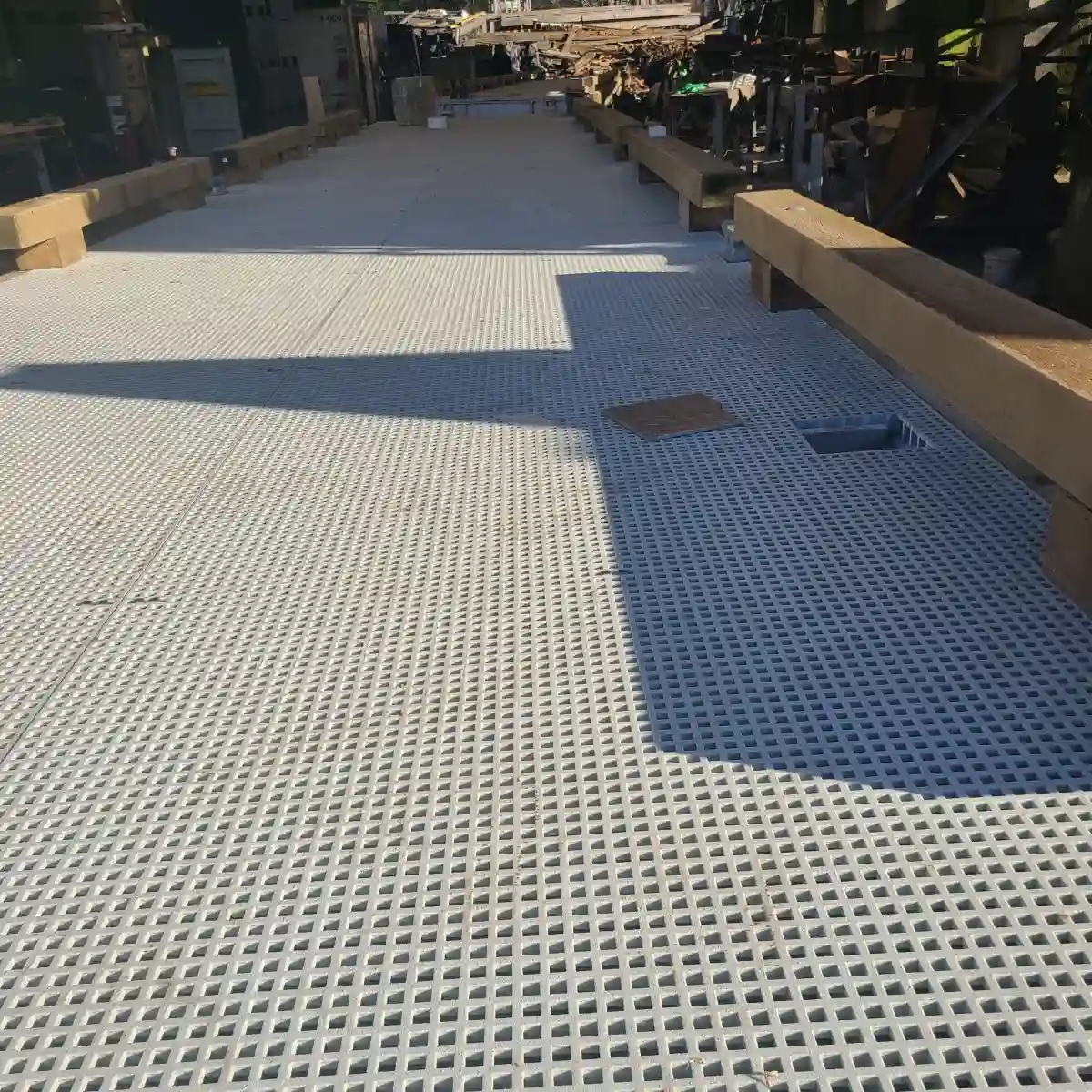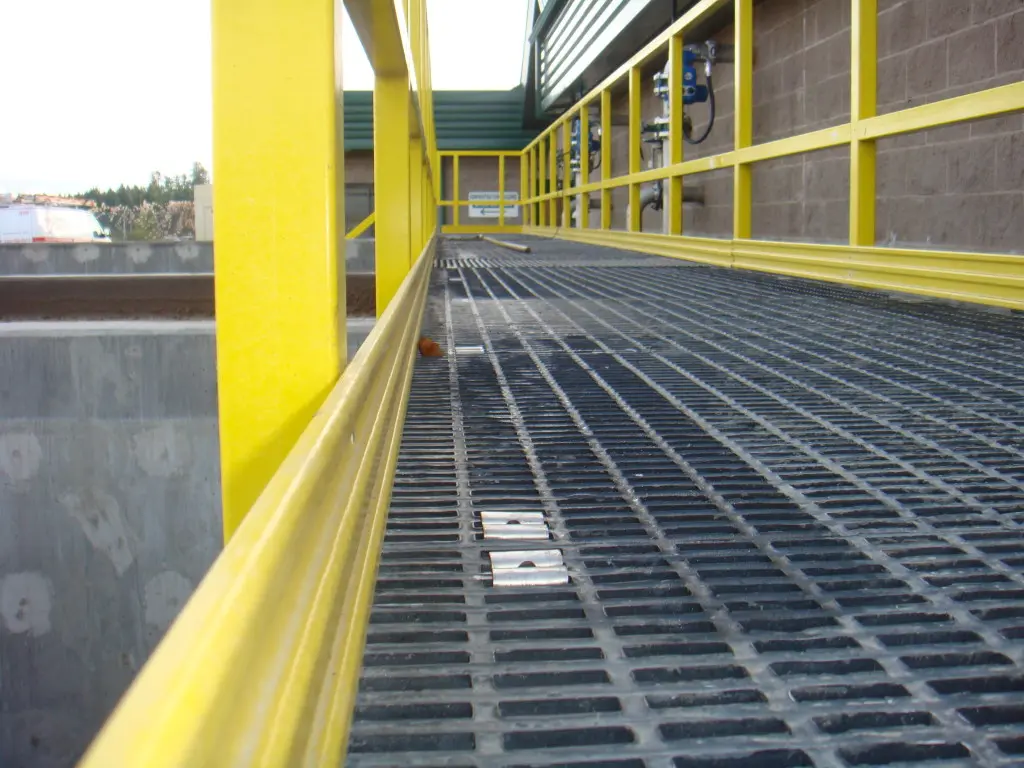
Introduction
Selecting the right FRP grating suppliers is one of the most critical decisions you will make when planning an industrial flooring, walkway, or platform project. Fiberglass reinforced plastic (FRP) grating offers exceptional corrosion resistance, high strength-to-weight ratio, and long service life, but these benefits are only as good as the supplier behind them. With hundreds of frp grating manufacturers operating across North America, Europe, and Asia, procurement managers and engineers face a crowded field of options.
This guide provides a comprehensive look at the leading producers in the global FRP grating industry, what sets them apart, and how to evaluate suppliers based on quality, certifications, pricing, and global reach. Whether you are sourcing for a chemical plant, offshore platform, or wastewater treatment facility, understanding the supplier landscape will help you make a confident, cost-effective decision.
Throughout this article, we cover top suppliers across key regions, the certifications that define quality, price comparison strategies, and a step-by-step evaluation framework. By the end, you will know exactly what to look for when selecting a supplier for your next project.
Who Are the Top FRP Grating Manufacturers in the World?
The global FRP grating industry includes a mix of established multinational corporations, specialized regional producers, and emerging players in Asia. Each category serves different market segments, and understanding the landscape is essential for narrowing your options.
Key Producers in North America
The United States and Canada host several of the most reputable suppliers, known for rigorous quality control and compliance with OSHA and ANSI standards. Companies like Strongwell, Fibergrate, Bedford Reinforced Plastics, and Chemgrate have decades of experience producing pultruded and molded grating for industrial applications. These US-based suppliers maintain ISO 9001 certification and often provide custom fabrication services, including cut-to-size panels, resin selection, and surface finishes such as grit-top for slip resistance. If you are searching for fiberglass grating manufacturers near me, these American producers typically have regional distribution networks spanning most states. Many frp grating manufacturers in usa also offer engineering support for custom load requirements.
North American suppliers are particularly strong in the oil and gas, chemical processing, and power generation sectors, where stringent safety requirements demand consistent product quality. Lead times are typically 2–4 weeks, and many offer engineering support for load calculations and span specifications.
Leading Producers in China
Over the past decade, frp grating manufacturers china have become major players in the global market, offering competitive pricing without sacrificing baseline quality. Producers such as Zhejiang Daring, Nantong Xiangkun, and Great Step manufacture large volumes of molded and pultruded grating for export. Chinese suppliers benefit from integrated supply chains — raw materials like fiberglass and resin are produced domestically, reducing material costs significantly. Many international buyers now prefer to source from frp grating manufacturers china for large-scale projects where budget efficiency is a priority.
When evaluating Chinese companies, pay close attention to their resin systems (isophthalic polyester vs. vinyl ester), glass content percentage, and testing documentation. The best Chinese exporters hold ISO 9001 and third-party certifications such as SGS or BV inspection reports. Shipping costs and lead times (typically 30–45 days for sea freight) should be factored into total cost calculations, but for bulk orders, Chinese suppliers often deliver the lowest per-unit pricing in the market. Note also that GRP grating manufacturers in China follow similar production standards, as GRP and FRP refer to the same glass-reinforced composite material.
Suppliers with Global Shipping Capabilities
Several companies with global shipping capabilities have established distribution networks that span multiple continents. Strongwell ships to over 50 countries through regional distributors, while Fibergrate operates facilities in the US and Europe. Chinese exporters like Nantong Xiangkun regularly ship container loads to Southeast Asia, the Middle East, Africa, and Latin America. Many of these fiberglass grating suppliers have dedicated export departments to handle international documentation and logistics.
For buyers outside major industrial regions, working with a supplier that offers door-to-door logistics, customs clearance support, and local representation significantly reduces procurement complexity. Global shipping capabilities are especially important for large infrastructure projects where consistent product supply across multiple phases is critical.
How to Choose the Best FRP Grating Manufacturer
Choosing the best FRP grating supplier requires evaluating candidates across multiple dimensions. Price alone should never be the deciding factor, as quality differences can lead to premature failure, safety hazards, and higher lifecycle costs. Here is a structured approach to making the right choice.
What to Look for When Selecting an FRP Grating Manufacturer
When you evaluate FRP grating suppliers, begin with their product portfolio. A supplier that offers both molded and pultruded grating, multiple resin options (polyester, vinyl ester, phenolic), and various surface finishes demonstrates manufacturing depth and the ability to match your specific application requirements. Look for companies that provide published load tables, span charts, and chemical resistance guides — transparency in technical data is a strong indicator of quality.
Next, assess their custom fabrication capabilities. Can they cut panels to exact dimensions, notch for structural members, or add grit surface treatment? Suppliers with in-house CNC machining and fabrication shops reduce lead times and eliminate the need for third-party modification. Request samples or visit past project references to verify product consistency if possible.
Another critical factor is the supplier location relative to your project site. Working with fiberglass grating manufacturers near me reduces shipping costs and lead times. Local suppliers are also more familiar with regional building codes and compliance requirements. For US-based projects, partnering with American suppliers can cut freight costs significantly compared to overseas sourcing.
Questions to Ask Before Committing
- What resin system do you recommend for my specific chemical environment?
- Can you provide independent third-party load test reports?
- What is your typical lead time for custom fabrications?
- Do you offer engineering support for load and span calculations?
- What warranty do you provide on grating panels?
- Can you supply reference projects in my industry sector?
What Certifications Should a Top FRP Grating Manufacturer Have?
Certifications are the most reliable way to verify that an FRP grating producer meets industry standards. Reputable suppliers invest in third-party audits and certifications to demonstrate consistent quality and compliance. Below are the key certifications to look for when evaluating potential partners:
| Certification | What It Covers | Why It Matters |
|---|---|---|
| ISO 9001:2015 | Quality management systems | Ensures consistent manufacturing processes and continuous improvement |
| ANSI/NAAMM | Grating dimensional and load standards | Verifies grating meets North American industry benchmarks |
| ASTM E84 | Flame spread and smoke development | Critical for fire-rated applications in oil and gas, marine |
| OSHA Compliance | Safety standards for industrial flooring | Required for workplace safety in US facilities |
| SGS / BV Inspection | Third-party quality verification | Common for Chinese exporters; confirms product meets specs |
| CE Marking | European health, safety, and environmental standards | Required for projects in the EU market |
Beyond formal certifications, ask about resin manufacturer approvals. FRP grating suppliers that use premium resin systems from companies like Ashland, Reichhold, or AOC typically deliver higher corrosion resistance and longer service life. The combination of certified processes and high-quality raw materials is the hallmark of a top-tier supplier.
For projects in aggressive chemical environments, confirm that the supplier holds specific chemical resistance certifications relevant to your application, such as resistance to sulfuric acid, caustic soda, or hydrocarbon exposure. A company that can provide documented chemical immersion test data for your specific process fluids has done the engineering work necessary to ensure long-term performance.
Quality Comparison — Which Manufacturer Offers the Best Quality?
Product quality varies significantly across FRP grating companies, and understanding what differentiates a premium product from an economy option is essential for long-term value. Quality is generally determined by three factors: resin system, glass-to-resin ratio, and manufacturing process control.
Premium-tier suppliers such as Strongwell and Bedford Reinforced Plastics use high-grade isophthalic polyester or vinyl ester resins with a glass content of 60–70% by weight. Their pultrusion lines are computer-controlled to maintain consistent temperature, pull speed, and resin impregnation. The result is grating with uniform mechanical properties, minimal warpage, and predictable load performance. These companies typically offer a 10–15 year warranty on their products.
Mid-tier FRP grating suppliers offer good quality at moderate prices, often using standard polyester resin systems with 50–60% glass content. These fiberglass grating suppliers are suitable for general industrial applications where chemical exposure is moderate and loads are within standard ratings. Many Chinese companies fall into this category and have improved their quality significantly through ISO-certified processes.
What to check in test reports:
- Flexural strength and modulus (ASTM D790)
- Tensile strength and modulus (ASTM D638)
- Barcol hardness (indicating cure quality)
- Deflection at rated load (verifying span performance)
- Resin burn-off test (confirming glass content percentage)
One reliable way to compare quality across suppliers is to request mechanical property data sheets and compare values side by side. A company confident in their quality will provide test data without hesitation. If a supplier hesitates to share detailed test reports or offers only marketing brochures rather than engineering data sheets, consider that a red flag.
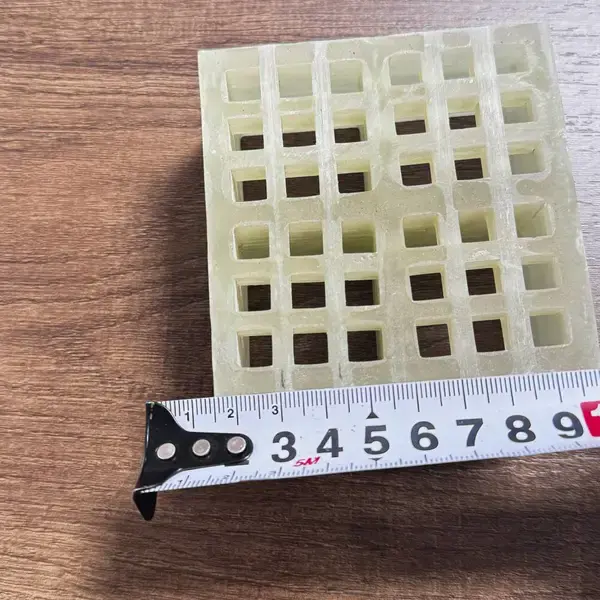
Another quality indicator is the surface finish. Premium grating has a consistent, smooth surface with fully wetted fibers — no dry spots, resin-rich areas, or exposed fiberglass strands. The bar should have crisp, well-defined edges and uniform color throughout the cross-section. Visible porosity, cracks, or dimensional inconsistency are signs of poor process control.
Top FRP Grating Manufacturers Price Comparison
Pricing is one of the most frequently asked questions when evaluating FRP grating companies, and for good reason — costs can vary by 30–50% depending on resin type, glass content, order volume, and origin. Understanding the pricing landscape helps you negotiate effectively and avoid overpaying or selecting a supplier based on price alone.
| Supplier Category | Typical Price Range (per sq ft) | Lead Time | Best For |
|---|---|---|---|
| US Premium (Strongwell, Fibergrate) | $25–$45 | 2–4 weeks | Critical applications, harsh chemicals, demanding specs |
| US Mid-Range (Bedford, Chemgrate) | $18–$30 | 2–4 weeks | General industrial, food processing, commercial |
| European Producers | €20–€38 | 3–5 weeks | EU-based projects, CE-marking required |
| Chinese Exporters (Daring, Xiangkun) | $8–$18 | 4–6 weeks (sea freight) | Large volume projects, budget-sensitive, non-critical |
| Regional Local Suppliers | $15–$28 | 1–3 weeks | Small projects, fast delivery needed |
When comparing pricing across suppliers, remember that the lowest unit price does not always mean the lowest total cost. Factor in shipping, import duties (for overseas suppliers), minimum order quantities, and the cost of potential quality issues or delays. A top FRP grating manufacturers price comparison should account for these variables to be meaningful. A lower-priced panel with inconsistent dimensions or lower chemical resistance may need replacement years earlier than a premium product, increasing lifecycle costs.
For the best value, consider a hybrid approach: source standard molded grating panels from competitive Chinese or regional suppliers for general areas, and use premium US or European producers for high-exposure zones such as chemical loading stations or marine environments. This strategy optimizes total project cost without compromising safety where it matters most.
How to Evaluate FRP Grating Suppliers Before Committing
Once you have shortlisted potential FRP grating suppliers, a structured evaluation process helps confirm your selection. Here is a step-by-step framework used by experienced procurement teams.
Step 1: Request and Compare Technical Data Sheets
Ask each supplier for comprehensive data sheets covering mechanical properties, chemical resistance charts, and dimensional tolerances. Compare load ratings at equivalent span distances, not just maximum load values. A panel rated for 200 psf at a 12-inch span is not directly comparable to one rated for 300 psf at a 6-inch span — the comparison must be normalized.
Step 2: Verify Certifications
Request copies of current ISO certificates, ASTM test reports (dated within the last 2 years), and any industry-specific approvals such as ABS for marine or USDA for food processing. Cross-check certification numbers online where possible.
Step 3: Evaluate Logistics and Lead Times
Ask for firm lead time commitments in writing. For international shipments, clarify whether the quoted price includes Incoterms (FOB, CIF, or DDP). Working with fiberglass grating suppliers who have local warehousing can reduce lead times from weeks to days.
Step 4: Request Samples and Visit Facilities
For large or critical orders, request physical samples to inspect surface finish, dimensional accuracy, and color consistency. If feasible, schedule a facility visit to observe production processes and quality control procedures firsthand. Chinese trade shows like China Composites Expo are excellent venues to meet multiple Chinese producers in one trip.
Step 5: Check References and Reviews
Ask for 3–5 customer references in industries similar to yours. Contact them about product quality, delivery performance, and after-sales support. Online platforms such as Alibaba, Made-in-China, and ThomasNet provide verified supplier ratings and buyer reviews that can supplement your due diligence.
Step 6: Total Cost of Ownership Analysis
Create a spreadsheet comparing not just unit price but also: estimated shipping cost, expected lifespan based on chemical exposure, replacement frequency, and installation labor cost differences. A premium panel that lasts 15 years in a corrosive environment is often cheaper over its lifecycle than a budget panel that requires replacement after 5–7 years.
By following this evaluation framework, you can confidently select GRP grating manufacturers and suppliers that meet both your technical requirements and budget constraints.
Conclusion — Making Your Final Decision
Finding the right FRP grating supplier requires balancing quality, certification, pricing, logistics, and application-specific requirements. The global supplier landscape offers options at every price point — from premium US companies like Strongwell and Fibergrate to cost-competitive producers in China like Zhejiang Daring and Nantong Xiangkun, to specialized local suppliers that serve their markets with fast delivery and personalized service. If your project is located in North America, evaluating frp grating manufacturers in usa is often the most practical starting point.
To summarize the key takeaways:
- Always verify certifications (ISO 9001, ASTM, ANSI/NAAMM) before purchasing.
- Compare total cost of ownership, not just unit price.
- Match resin systems to your specific chemical environment.
- Request and review mechanical test data sheets.
- Consider hybrid sourcing for large projects — premium for critical zones, competitive pricing for general areas.
- Working with US-based suppliers offers fast lead times and strict quality control for safety-critical applications.
The best FRP grating suppliers are those that invest in quality systems, provide transparent technical documentation, and demonstrate a track record of reliable delivery. Whether you are sourcing for a small facility upgrade or a multi-million dollar industrial expansion, take the time to evaluate suppliers thoroughly — a well-informed decision today will pay dividends in reduced maintenance costs, extended service life, and improved workplace safety for years to come. Remember that reputable GRP grating manufacturers — whether they call it FRP or GRP — should meet the same industry standards for quality and performance.
For more detailed guidance on specific products, explore our guides on FRP grating types, load tables and specifications, and installation best practices to build complete confidence in your FRP grating project.