Introduction
When industrial flooring demands high strength, corrosion resistance, and lightweight construction, pultruded fiberglass grating emerges as the material of choice. Unlike traditional steel or aluminum grates, these composite gratings combine fiberglass reinforcement with a continuous manufacturing process to deliver exceptional structural performance in harsh environments.
This comprehensive guide covers everything you need to know about pultruded grating — from its manufacturing process and material properties to the standard sizes available, load ratings, installation methods, and pricing. Whether you are designing a chemical plant platform or an offshore oil rig walkway, understanding this material will help you make the right specification decision.
We will explore the key differences between pultruded and molded grating, examine the various panel types and configurations, and answer the most common questions about sizing, load capacity, and cost. By the end of this guide, you will have a complete understanding of pultruded fiberglass grating and its role in modern industrial infrastructure.
What Is Pultruded Fiberglass Grating?
Pultruded fiberglass grating is a type of industrial flooring made from fiberglass-reinforced plastic (FRP) manufactured through the pultrusion process. In this continuous molding process, glass fiber rovings and mats are pulled through a resin bath and then through a heated die, where the composite material cures into a solid, rigid shape. The result is a grating panel with unidirectional strength, excellent corrosion resistance, and a high strength-to-weight ratio.
The Pultrusion Manufacturing Process
The manufacturing process gives pultruded grating its distinctive characteristics. Here is how it works:
- Reinforcement feeding: Continuous glass fiber rovings and continuous strand mats are pulled from creels through guides that position them precisely for the final profile.
- Resin impregnation: The fibers pass through a resin bath containing thermosetting resins such as polyester, vinyl ester, or epoxy, along with fillers, pigments, and UV inhibitors.
- Preforming and curing: The resin-soaked fibers enter a preformer that shapes them before passing through a heated steel die. The die temperature (typically 120–180°C) cures the resin as the material moves through.
- Pulling and cutting: A continuous puller system draws the cured profile at a controlled speed. An automated cut-off saw then cuts the grating to the desired length.
Unlike molded grating, which is cast in open molds, pultruded grating panels have continuous fibers running the length of the panel. This gives them higher longitudinal strength and stiffness, making them ideal for applications where long unsupported spans are required.
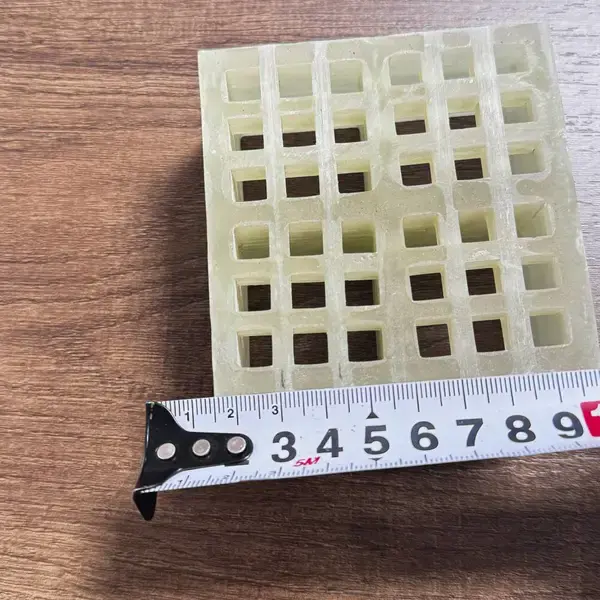
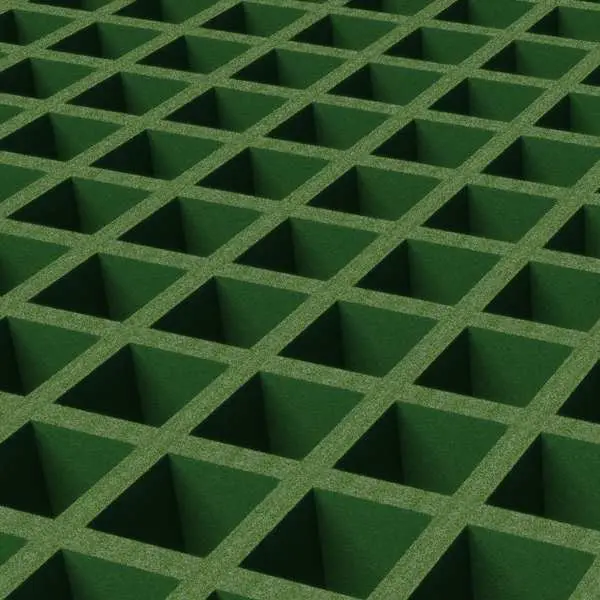
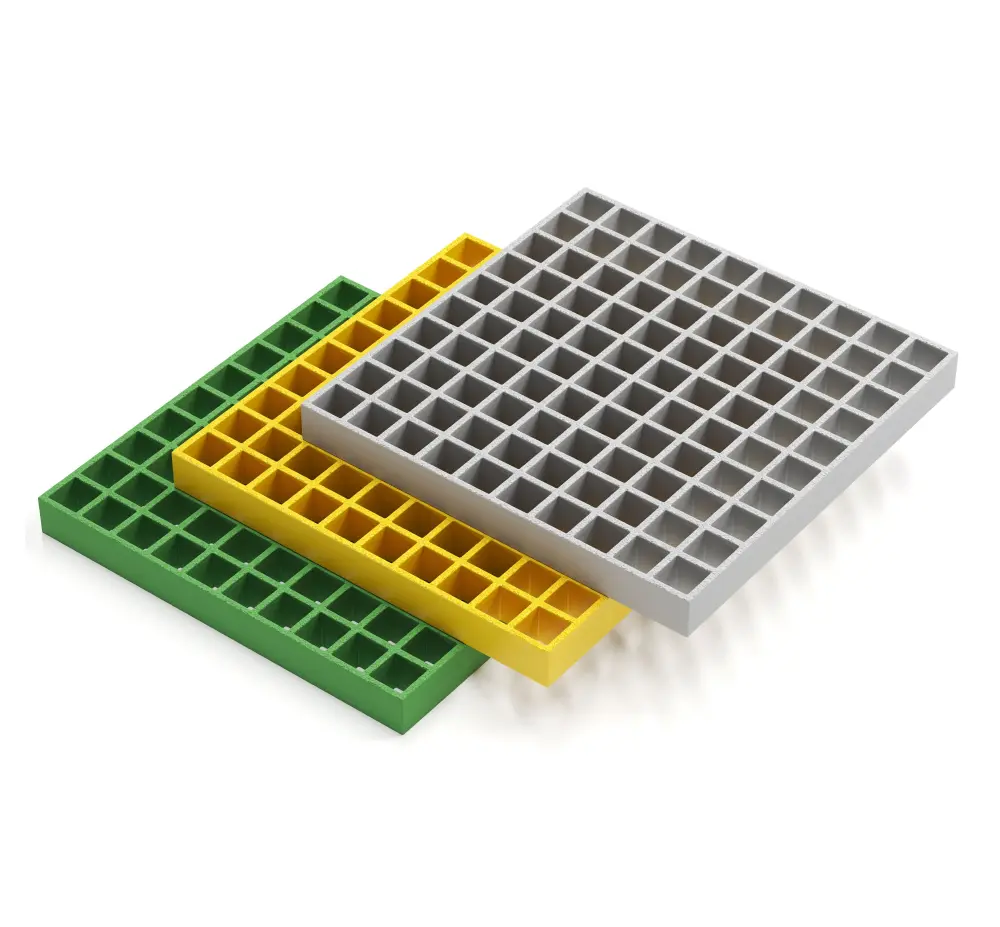
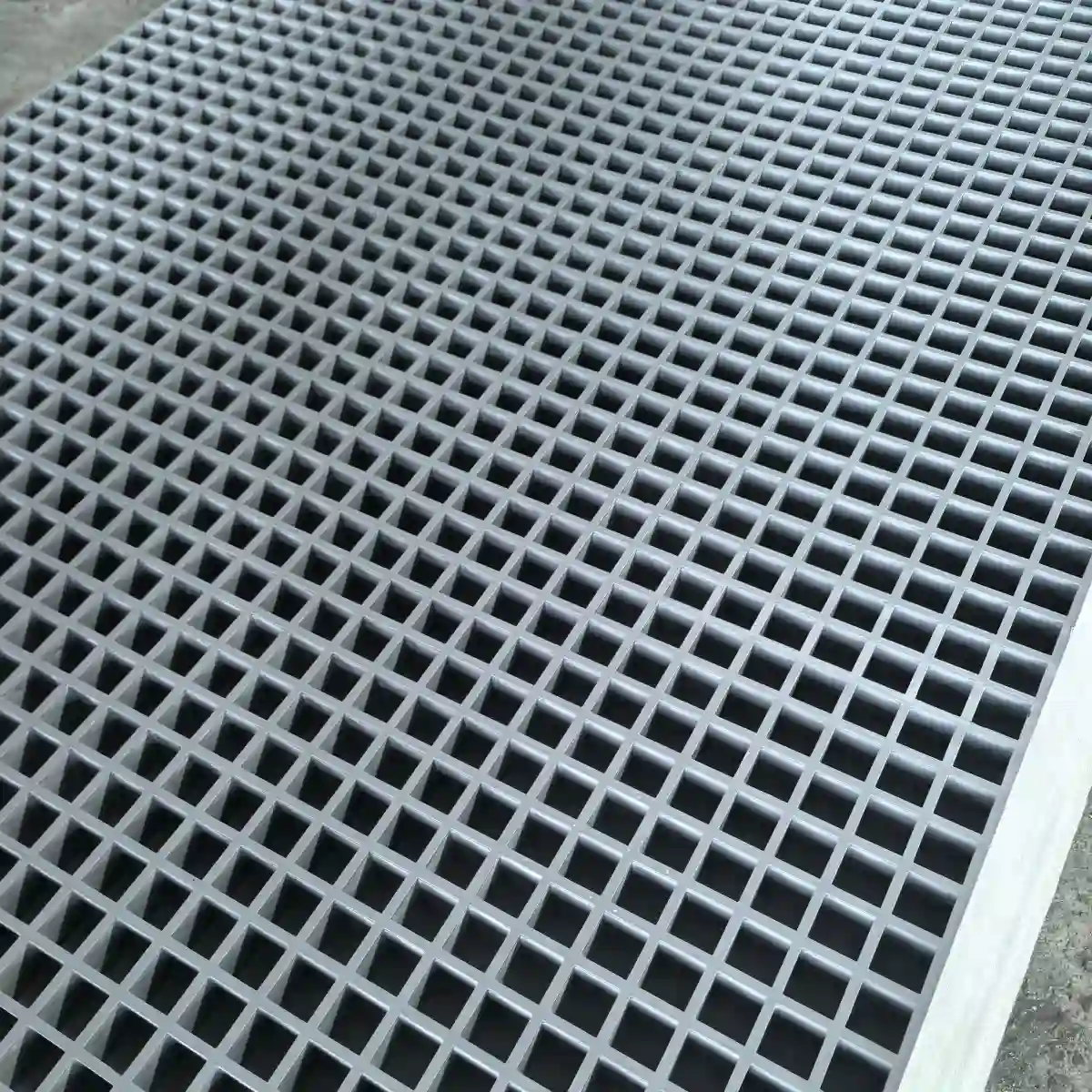
A typical pultruded fiberglass grating panel consists of load-bearing I-beam or T-beam bars running in one direction, with cross bars running perpendicular to create the grid pattern. The bearing bars provide the primary structural strength, while the cross bars maintain spacing and distribute loads.
Pultruded Grating vs Molded Grating: Key Differences
One of the most common questions engineers ask is the difference between pultruded grating and molded grating. While both are FRP gratings, their manufacturing processes create distinctly different performance profiles.
| Property | Pultruded Grating | Molded Grating |
|---|---|---|
| Manufacturing | Continuous pultrusion through heated die | Cast in open mold (matched-die molding) |
| Fiber orientation | Unidirectional (continuous lengthwise fibers) | Random / multidirectional (chopped fibers) |
| Strength direction | Higher in longitudinal direction | More uniform in both directions |
| Span capability | Longer unsupported spans (up to 4+ ft) | Shorter spans (typically up to 2 ft) |
| Surface finish | Smooth, consistent | Textured, anti-skid standard |
| Customization | Custom widths, lengths, cutouts easily made | Limited by mold dimensions |
| Cost | Higher per square foot | Lower per square foot |
| Best for | Long spans, heavy loads, structural applications | Light to medium duty, uniform strength needs |
Pultruded vs molded grating comes down to project requirements. If you need a grating that can span longer distances with minimal deflection under heavy loads, pultruded fiberglass grating is the superior choice. For applications where loads are moderate and spans are short, molded grating offers a more economical solution.
Another key distinction is that pultruded grating panels can be fabricated with various bearing bar depths and thicknesses to achieve specific load ratings, while molded grating has fixed dimensions set by the mold. This makes pultruded grating more flexible for custom engineering applications.
Types of Pultruded Fiberglass Grating
Pultruded grating is available in several types and configurations to suit different structural and environmental requirements. Understanding these options helps in selecting the right product for your specific application.
Standard Grate (Rectangular Mesh)
The most common type features a rectangular grid pattern with I-shaped or T-shaped bearing bars. Standard pultruded grating comes in depths ranging from 1 inch (25 mm) to 2.5 inches (64 mm), with typical bearing bar spacing of 1.5 inches (38 mm) on center. This is the go-to choice for general industrial walkways, platforms, and trench covers.
Heavy-Duty Pultruded Grating
For applications requiring higher load capacity, heavy-duty grating uses deeper bearing bars (up to 4 inches) and thicker bar profiles. These pultruded grating panels can support heavy machinery, vehicle traffic, and crane loads. They are commonly used in offshore platforms, heavy industrial plants, and loading docks.
Micro-Mesh Grating
Micro-mesh pultruded grating has smaller openings (typically 0.5-inch or 12 mm spacing) between bearing bars. This design prevents small tools, bolts, and debris from falling through while still providing excellent drainage and slip resistance. It is popular in food processing plants, pharmaceutical facilities, and chemical processing areas.
Custom Profiles
One of the advantages of the pultrusion process is the ability to create custom profiles. Manufacturers can produce pultruded grating with specific bearing bar depths, flange widths, and resin systems tailored to unique project requirements. Custom colors, UV-resistant top coatings, and fire-retardant resin formulations are also available.
Resin System Options
The resin system used in pultruded grating significantly affects its performance and chemical resistance:
- Polyester resin: General-purpose, good corrosion resistance in most industrial environments.
- Vinyl ester resin: Superior resistance to acids, alkalis, and organic solvents — ideal for chemical plants.
- Epoxy resin: Highest mechanical strength and excellent adhesion, used in demanding structural applications.
- Fire-retardant formulations: Contain additives that meet ASTM E84 Class 1 flame spread ratings for fire-safe installations.
Standard Pultruded Grating Sizes and Specifications
Understanding pultruded grating sizes is critical for proper specification. Pultruded grating is available in a wide range of standard dimensions, and custom sizes can be manufactured for specific projects.
Standard Panel Dimensions
Most manufacturers produce pultruded grating panels in these standard sizes:
| Dimension | Standard Range | Common Sizes |
|---|---|---|
| Panel width | 12 – 48 inches (300 – 1220 mm) | 24", 36", 48" |
| Panel length | Up to 20 ft (6 m) | 8 ft, 10 ft, 12 ft, 20 ft |
| Bearing bar depth | 1" – 4" (25 – 100 mm) | 1", 1.5", 2", 2.5", 3", 4" |
| Bar spacing (center-to-center) | 0.5" – 2" (12 – 50 mm) | 1.5" standard, 0.5" micro-mesh |
| Bar thickness | 0.125" – 0.25" (3 – 6 mm) | 3/16", 1/4" |
| Cross bar spacing | 2" – 4" (50 – 100 mm) | 2", 4" |
What Size Pultruded Grating Do I Need for Heavy Loads?
Selecting the right pultruded grating size for heavy loads depends on several factors:
- Bearing bar depth: For heavy loads, choose deeper bearing bars. A 2.5-inch or 3-inch deep bar will support significantly more weight than a 1-inch bar of the same thickness.
- Bar thickness: Thicker bars (1/4 inch / 6 mm) provide greater load capacity than standard 3/16-inch bars. Heavy-duty pultruded grating panels often use thicker bearing bars.
- Span length: The unsupported span between support beams directly affects load capacity. Shorter spans allow higher loads. Always consult the manufacturer load table for your specific span and bar configuration.
- Bar spacing: Closer bar spacing (1.5-inch or smaller) distributes point loads across more bars, increasing the effective load capacity of the grating.
For heavy industrial loads such as forklift traffic, crane loads, or equipment platforms, we typically recommend pultruded grating sizes with at least 2.5-inch bearing bar depth, 1/4-inch bar thickness, and 1.5-inch bar spacing. Always verify against the manufacturer load table for your specific span conditions.
Load Capacity Table Example
| Bearing Bar Depth | Bar Thickness | Span (ft) | Uniform Load (psf) | Concentrated Load (lbs) |
|---|---|---|---|---|
| 1.5" | 3/16" | 2 | 300 | 800 |
| 1.5" | 3/16" | 3 | 150 | 400 |
| 2" | 1/4" | 3 | 350 | 1000 |
| 2.5" | 1/4" | 4 | 300 | 900 |
| 3" | 1/4" | 4 | 450 | 1200 |
Note: Values are approximate. Always consult the manufacturer load table for certified ratings.
Common Applications of Pultruded Fiberglass Grating
Pultruded grating is used across a wide range of industries where corrosion resistance, light weight, and high strength are essential. Here are the most common application areas:
Chemical Processing Plants
Chemical plants are among the largest users of pultruded grating. The corrosion resistance of FRP — especially when made with vinyl ester resins — makes it ideal for platforms, walkways, and flooring areas exposed to acids, alkalis, and aggressive chemical environments. Unlike steel, pultruded fiberglass grating does not rust or require periodic painting.
Offshore and Marine Platforms
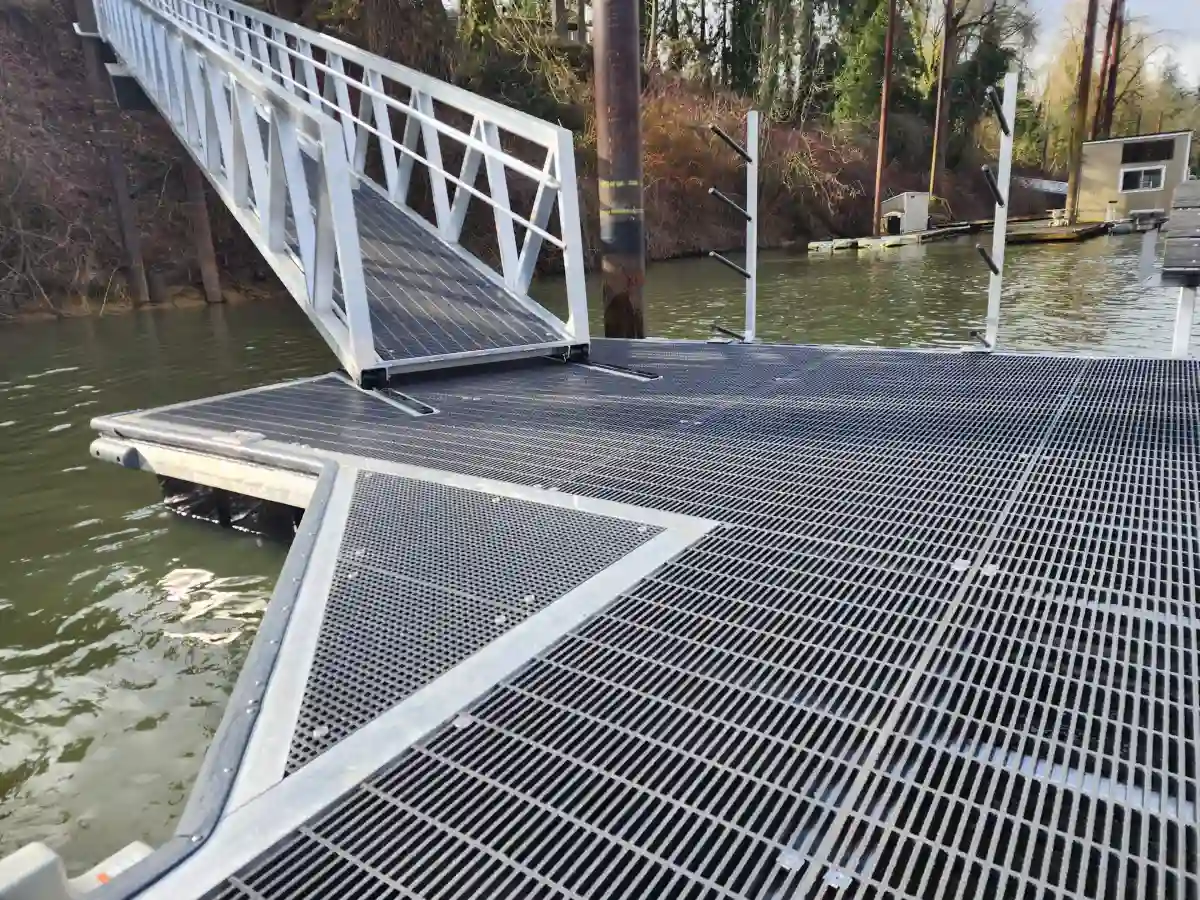
On oil rigs, drilling platforms, and ships, saltwater corrosion is a constant challenge. Pultruded FRP grating offers exceptional resistance to saltwater degradation while being significantly lighter than steel — reducing structural load on the platform. Its non-conductive and non-sparking properties also enhance safety in these environments.
Water and Wastewater Treatment
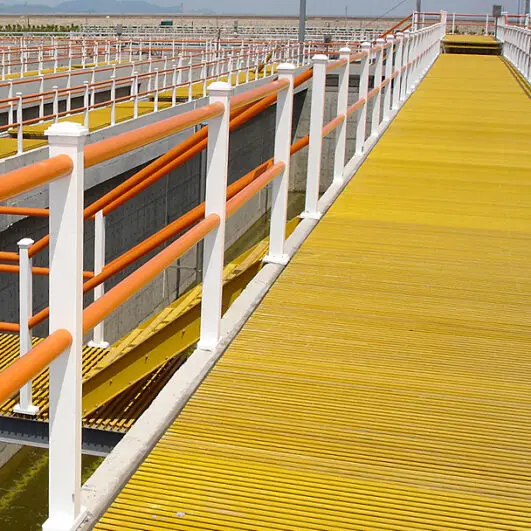
Water treatment facilities expose flooring to constant moisture, chlorine, and chemical treatment agents. Pultruded grating panels provide long service life in these conditions without corrosion. The open design allows water and debris to pass through, keeping walkways clean and slip-resistant.
Food and Beverage Processing
In food processing plants, micro-mesh pultruded grating is widely used for its easy cleaning, corrosion resistance, and ability to prevent small debris from falling through. The smooth surface resists bacterial growth and meets USDA and FDA hygiene requirements.
Power Generation and Electrical
Because FRP is electrically non-conductive, pultruded grating is the preferred choice for electrical substations, power plants, and battery rooms. It eliminates the risk of electrical shock from accidental contact with live components and provides safe access for maintenance personnel.
Pharmaceutical Facilities
Pharmaceutical manufacturing requires clean, non-contaminating surfaces. Pultruded fiberglass grating with UV-stabilized and antimicrobial resin systems provides a durable, easy-to-sanitize flooring solution that meets GMP (Good Manufacturing Practice) standards.
Other Common Applications
- Cooling tower platforms and fan decks
- Mining and mineral processing walkways
- Pulp and paper mill flooring
- Swimming pool decking and lifeguard chairs
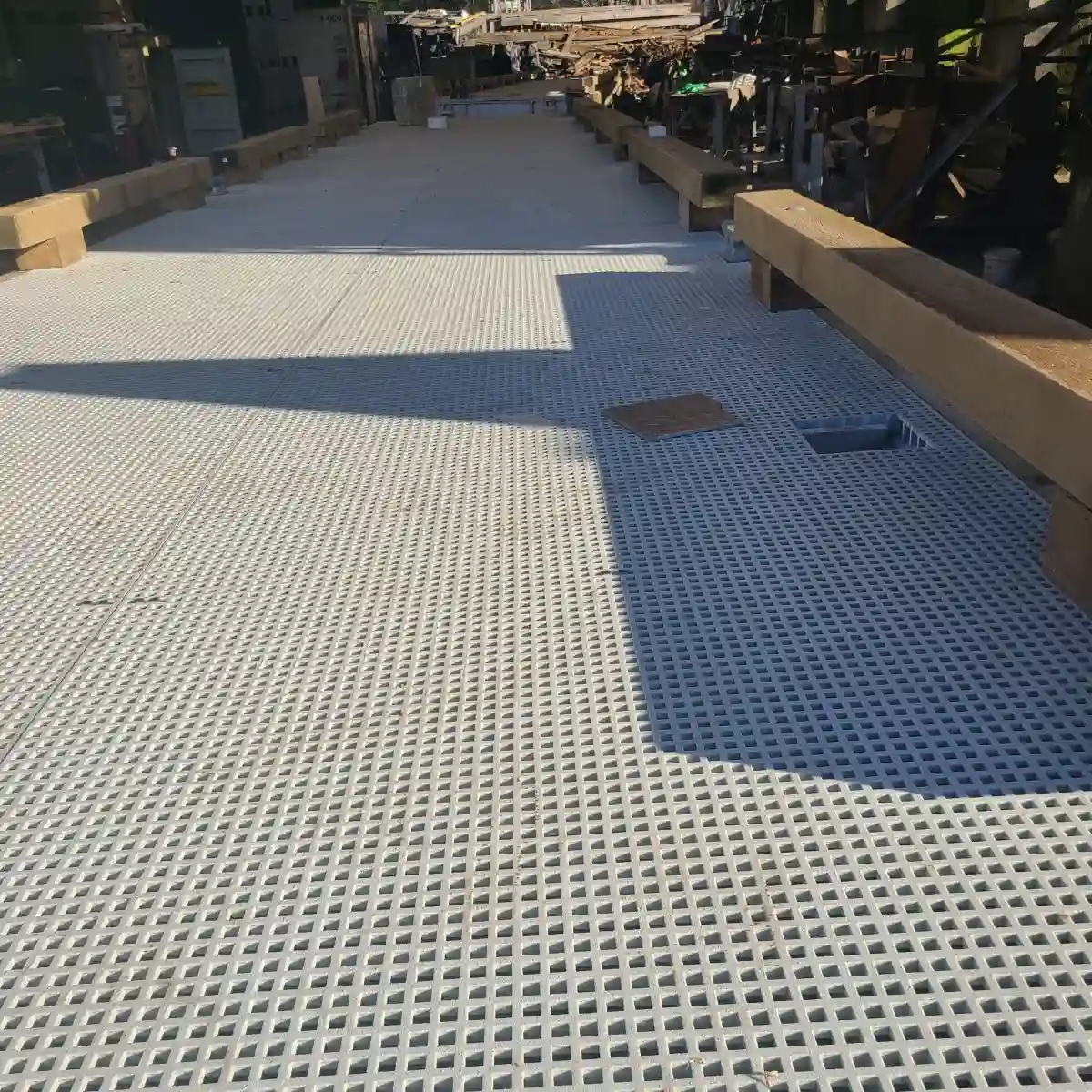
- Rooftop walkways and mechanical equipment platforms
- Catwalks and mezzanine floors
How to Install Pultruded Fiberglass Grating
Installing pultruded grating requires different techniques than steel or aluminum grating due to the material properties of FRP. Follow these guidelines for a safe and durable installation.
Handling and Cutting
- Cutting: Use a diamond-blade saw, carbide-tipped blade, or abrasive cut-off saw to cut pultruded grating panels to size. Avoid excessive heat buildup, which can damage the resin matrix. Cutting generates fine glass-fiber dust — always wear appropriate respiratory protection.
- Drilling: Use carbide-tipped drill bits for holes. Drill at moderate speed with steady pressure to prevent resin cracking or fiber fraying.
- Storage: Store grating panels flat on a level surface to prevent warping. Keep them covered and protected from direct sunlight if stored outdoors before installation.
Support Structure Requirements
Pultruded FRP grating must be installed on a properly designed support structure. Key requirements include:
- Support spacing: Follow the manufacturer span tables. Maximum support spacing depends on bearing bar depth, thickness, and load requirements.
- Bearing length: Minimum bearing of 1 inch (25 mm) on each support, with 1.5 inches (38 mm) recommended for heavy loads.
- Support material: Use FRP, stainless steel, or coated steel support beams to prevent galvanic corrosion at contact points.
Fastening Methods
Proper fastening is critical for grating performance. Common fastening methods include:
- FRP hold-down clips: Purpose-made composite clips that attach the grating to support beams without metal-to-composite contact. These are the recommended method for most installations.
- Stainless steel hardware: Bolts, washers, and nuts made from 316 stainless steel. Use large-diameter washers (minimum 1-inch / 25 mm) on top to distribute clamping force and prevent compression damage.
- Countersunk fasteners: For applications requiring a flush walking surface, countersunk screws with FRP plugs provide a smooth, trip-free surface.
Installation Best Practices
- Always drill holes 0.0625 – 0.125 inches (1.5 – 3 mm) larger than the bolt diameter to allow for thermal expansion of the FRP material.
- Do not over-torque fasteners. FRP is compressible — tighten until the washer contacts the grating surface, then add a quarter turn maximum.
- Leave a 1/8-inch (3 mm) expansion gap between adjacent grating panels to accommodate thermal movement.
- Use neoprene or EPDM bearing pads between the grating and steel supports to prevent galvanic corrosion and distribute bearing pressure.
Pultruded Fiberglass Grating Price Considerations
Understanding pultruded grating pricing helps in budgeting and material selection. The cost varies significantly based on material specifications, dimensions, resin type, and quantity.
Pultruded Fiberglass Grating Price Per Square Foot
The pultruded fiberglass grating price per square foot typically falls in these ranges:
| Product Grade | Price Range (USD per sq ft) | Typical Applications |
|---|---|---|
| Standard polyester (1.5" depth) | $15 – $25 | General industrial walkways, light-duty platforms |
| Vinyl ester (2" depth) | $25 – $40 | Chemical plants, corrosive environments |
| Heavy-duty (2.5" – 3" depth) | $35 – $55 | Offshore platforms, heavy industrial, vehicle traffic |
| Micro-mesh (small openings) | $20 – $35 | Food processing, pharmaceutical, tool areas |
| Custom profiles / specialty resins | $40 – $80+ | Unique projects, fire-retardant or specialty applications |
Factors Affecting Price
- Resin type: Vinyl ester and epoxy resins cost more than standard polyester but provide superior chemical resistance and mechanical properties.
- Bearing bar depth and thickness: Larger and thicker bars require more material, increasing cost proportionally.
- Panel size: Custom widths and lengths may incur additional cutting and fabrication charges.
- Quantity: Volume discounts typically apply for orders exceeding 500 – 1,000 square feet.
- Fabrication: Cutting holes, notches, bevels, and custom shapes adds labor costs. A fully fabricated panel can cost 30 – 50% more than a stock panel.
- Surface treatment: Anti-skid grit coating, UV protection layers, and fire-retardant additives increase the price.
Comparing Pultruded to Other Materials
While the initial cost of pultruded grating is higher than steel or molded FRP, the total cost of ownership is often lower. Pultruded FRP grating does not require painting, coating, or corrosion maintenance. Its longer service life in corrosive environments (often 20+ years) and zero maintenance costs make it economical over the full lifecycle. When factoring in installation savings from its lighter weight (1/4 the weight of steel), many projects achieve overall cost parity or savings with this grating solution.
Conclusion
Pultruded fiberglass grating is a versatile, high-performance industrial flooring solution that excels in demanding environments. Its unique combination of corrosion resistance, high strength-to-weight ratio, and long-span capability makes it the material of choice for chemical plants, offshore platforms, water treatment facilities, and countless other applications.
When selecting pultruded grating, consider the key factors: bearing bar depth and spacing for load requirements, resin type for chemical exposure, panel size for your support structure, and whether standard or heavy-duty pultruded grating panels are needed. By understanding the pultruded grating sizes available and matching them to your load and span requirements, you can specify the optimal product for your project.
While the upfront cost of pultruded FRP grating is higher than some alternatives, its long service life, minimal maintenance, and light weight deliver significant value over the product lifecycle. For projects requiring corrosion resistance, safety (non-conductive, non-slip), and structural performance, this is the clear winner.
Need help choosing the right product for your specific application? Contact our engineering team for load table analysis, sizing recommendations, and a customized quote.