Introduction
When industrial flooring applications demand exceptional strength, corrosion resistance, and long-term durability, heavy duty FRP grating is the material of choice. Unlike standard fiberglass grating, heavy duty variants are engineered with thicker cross-sections, higher glass-to-resin ratios, and deeper bearing bars to withstand extreme loads in the most demanding environments. From chemical processing plants and offshore platforms to heavy manufacturing facilities and wastewater treatment plants, heavy duty FRP grating provides a reliable, slip-resistant walking surface that outperforms traditional steel and aluminum alternatives in corrosive settings.
This comprehensive guide covers everything you need to know about heavy duty FRP grating, including its load capacity ratings, available sizes and thicknesses, key differences from standard grating, installation best practices, and pricing considerations. Whether you are specifying materials for a new industrial flooring project or upgrading existing walkways, understanding the technical specifications of heavy duty FRP grating will help you make an informed decision that balances performance, safety, and cost.
What Is Heavy Duty FRP Grating?
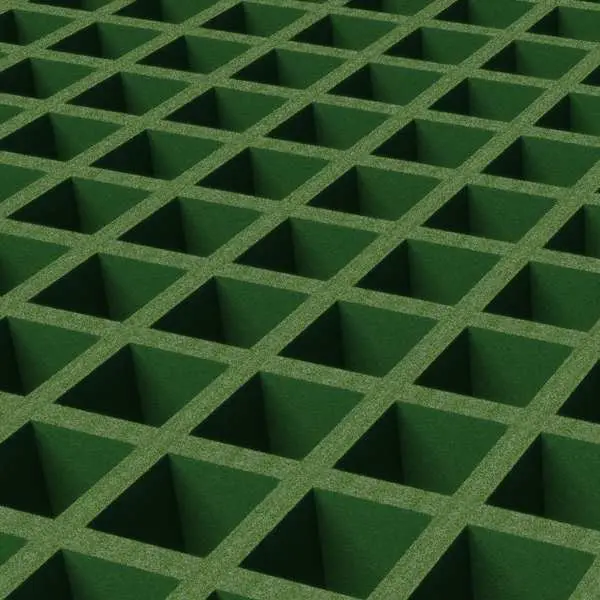
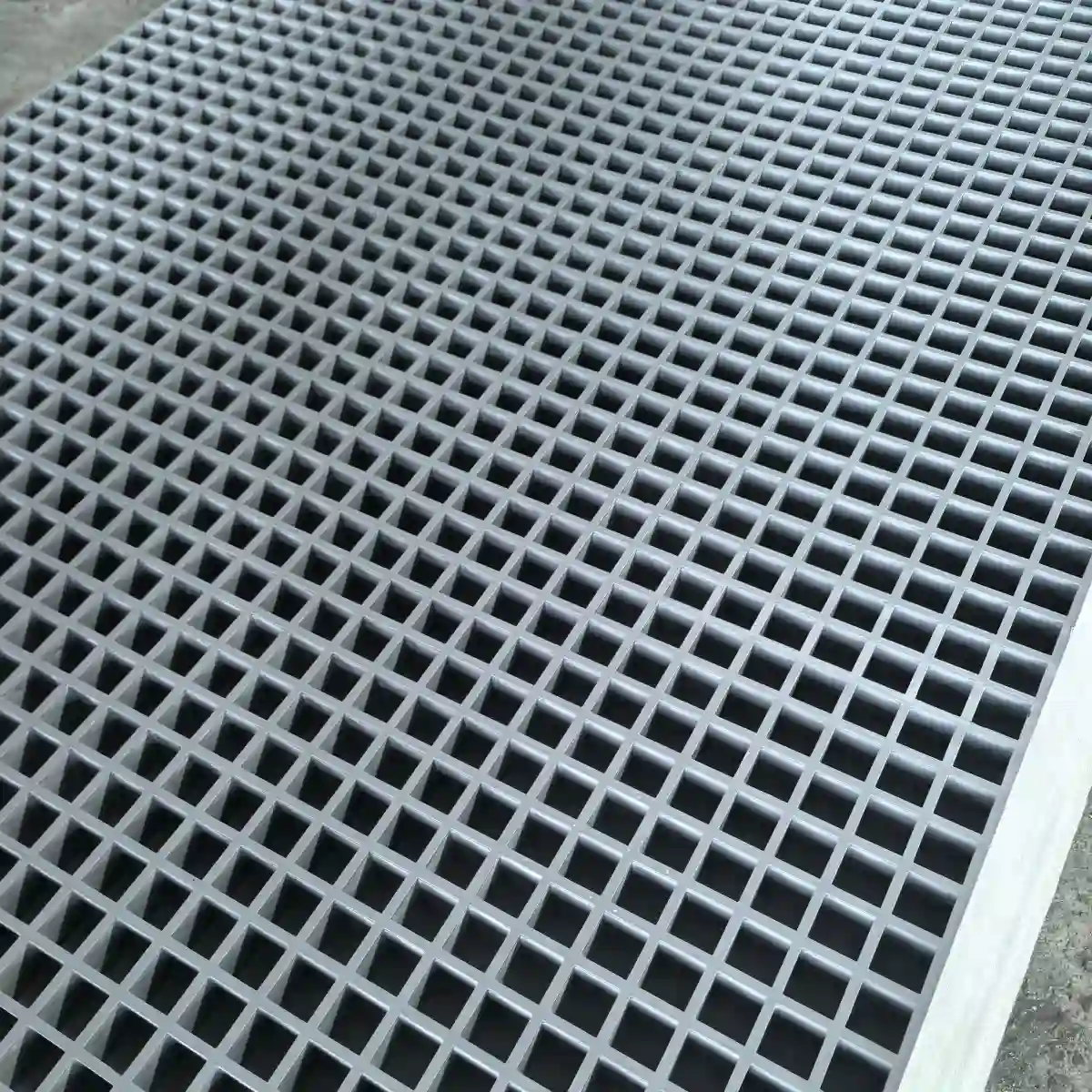
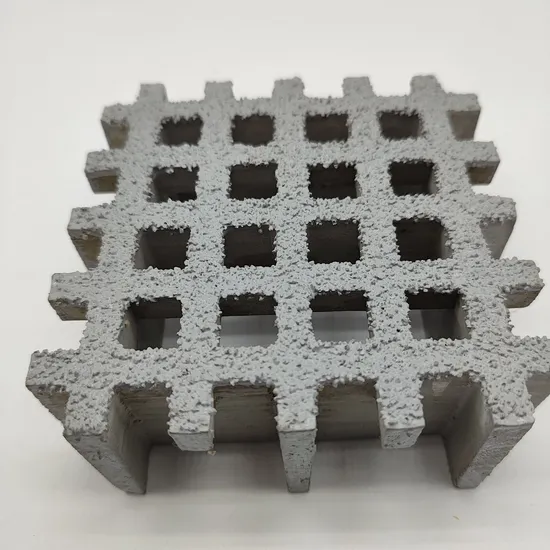
Heavy duty FRP grating (Fiber Reinforced Polymer grating) is a high-strength composite material made from thermosetting resin systems reinforced with continuous glass fiber strands. The manufacturing process involves pultrusion, where glass fibers are pulled through a resin bath and then through a heated die to form grating panels with a specific cross-sectional profile. What distinguishes heavy duty FRP grating from standard grades is the increased glass content (typically 65–75% by weight), thicker bearing bar cross-sections, and deeper overall panel profiles.
Material Composition and Resin Systems
The performance characteristics of heavy duty FRP grating depend heavily on the resin system used. Common resin options include:
- Polyester resin — economical choice for general industrial environments with moderate chemical exposure
- Vinyl ester resin — superior corrosion resistance for chemical plants, pulp and paper mills, and wastewater facilities
- Epoxy resin — excellent mechanical strength and adhesion properties for extreme load conditions
- Phenolic resin — fire-resistant and low-smoke for offshore and mining applications
The glass fiber reinforcement typically consists of E-glass or ECR-glass rovings, with surface veils added for enhanced corrosion resistance. The combination of high-quality resin and continuous glass fiber reinforcement gives heavy duty FRP grating its exceptional strength-to-weight ratio, making it up to 75% lighter than steel while delivering comparable load-bearing performance.
Heavy Duty FRP Grating vs Standard FRP Grating
Understanding the difference between heavy duty FRP grating and standard FRP grating is essential for proper material selection. While both products share the same fundamental composite construction, several key design and performance parameters set them apart.
| Parameter | Standard FRP Grating | Heavy Duty FRP Grating |
|---|---|---|
| Bearing bar depth | 25–38 mm (1"–1.5") | 38–50 mm (1.5"–2") |
| Bearing bar thickness | 3.2–6.4 mm | 6.4–12.7 mm |
| Glass content | 50–60% | 65–75% |
| Load capacity | Up to 500 psf | 500–2,000+ psf |
| Maximum span | 24–36 inches | 36–60 inches |
| Weight | 3–5 lbs/ft² | 5–10 lbs/ft² |
| Applications | Walkways, mezzanines | Industrial flooring, truckable surfaces |
When to Choose Heavy Duty Over Standard
Select heavy duty FRP grating over standard grating when your project involves any of the following conditions: frequent forklift or vehicle traffic, concentrated point loads from heavy machinery, spans exceeding 36 inches, or environments where impact resistance is critical. Standard grating is perfectly adequate for pedestrian walkways, light-duty platforms, and mezzanine flooring where loads do not exceed 500 psf.
The heavy duty FRP grating load capacity advantage comes primarily from the increased bearing bar depth and thickness. A 50 mm deep heavy duty bar can support roughly twice the load of a 25 mm standard bar at the same span, making heavy duty grades indispensable for industrial flooring and structural platforms where safety margins are paramount.
Load Capacity and Load Ratings
How much weight can heavy duty FRP grating support? This is the most common question when specifying grating for industrial applications. The heavy duty FRP grating load capacity varies based on several factors including bearing bar depth, bearing bar thickness, span between supports, and the resin system used. In general, heavy duty FRP grating can support uniform loads ranging from 500 to over 2,000 pounds per square foot (psf), with concentrated load capacities exceeding 5,000 pounds per square foot in the highest-rated configurations.
Load Rating Classes
Industry standards such as ANSI/NAAMM and CSA classify FRP grating into load rating categories. For heavy duty FRP grating, the most common ratings include:
- H-20 (AASHTO) — Rated for highway truck loading, supporting 16,000 lbs per axle. Suitable for truckable trench covers and industrial flooring.
- H-25 — Enhanced rating for heavier vehicle traffic, supporting 20,000 lbs per axle.
- 5,000 lb concentrated load — Many heavy duty panels are tested to withstand a 5,000 lb point load on a 5" x 5" pad with a safety factor of 2:1 or higher.
Load Capacity by Configuration
Typical heavy duty FRP grating sizes and their approximate load ratings at a 24-inch span include:
| Bearing Bar Depth | Bar Thickness | Uniform Load (psf) | Concentrated Load (lbs) |
|---|---|---|---|
| 38 mm (1.5") | 6.4 mm | 800 | 3,500 |
| 44 mm (1.75") | 9.5 mm | 1,200 | 4,500 |
| 50 mm (2") | 9.5 mm | 1,600 | 5,500 |
| 50 mm (2") | 12.7 mm | 2,000+ | 7,000+ |
Factors Affecting Load Capacity
The actual load capacity of a heavy duty FRP grating installation depends on: the unsupported span length (longer spans reduce capacity), the bearing bar configuration (closer bar spacing increases capacity), the type of resin used, ambient temperature (elevated temperatures reduce strength), and the safety factor applied (typically 1.5:1 to 3:1 depending on application criticality). Always consult the manufacturer is load tables for exact specifications on your selected panel configuration.
Heavy Duty FRP Grating Sizes and Thickness Options
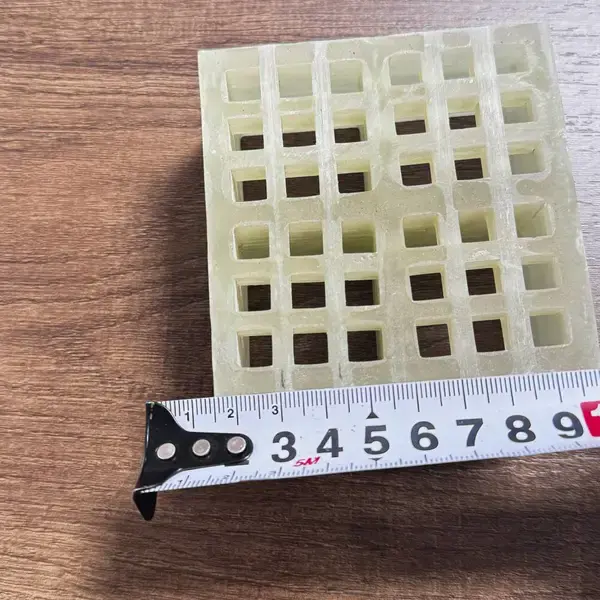
Heavy duty FRP grating sizes are available in a wide range of dimensions to accommodate different industrial flooring requirements. Standard panel sizes, bearing bar configurations, and heavy duty FRP grating thickness options are typically specified according to the load demands and span requirements of the installation.
Standard Panel Dimensions
The most common panel sizes for heavy duty FRP grating include:
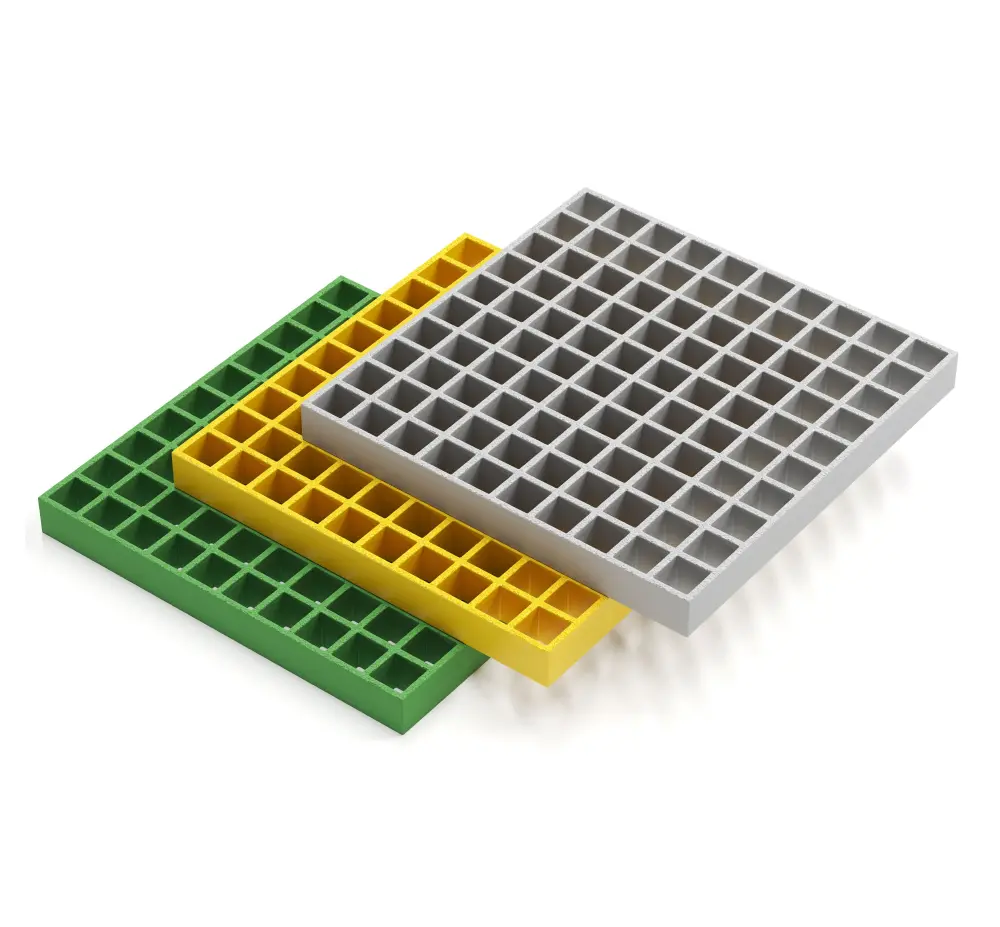
- 4 ft x 8 ft (1,220 mm x 2,440 mm) — the industry standard for most industrial flooring applications
- 4 ft x 12 ft (1,220 mm x 3,660 mm) — for longer spans requiring fewer joints
- 3 ft x 10 ft (914 mm x 3,048 mm) — common in chemical plant and offshore platform installations
- Custom sizes — most manufacturers can produce panels up to 4 ft wide and 20 ft long to order
Overall panel thickness for heavy duty grating typically ranges from 25 mm (1 inch) to 50 mm (2 inches), with the thicker panels reserved for the most demanding load conditions.
Thickness Options and Bar Configuration
The heavy duty FRP grating thickness is determined primarily by the bearing bar depth. Available thickness options include:
| Bearing Bar Depth | Typical Bar Thickness | Open Area | Weight (lbs/ft²) | Primary Use Case |
|---|---|---|---|---|
| 25 mm (1") | 6.4 mm | 65% | 4.5 | Light industrial walkways |
| 31 mm (1.25") | 6.4–9.5 mm | 60% | 5.5 | Medium-duty platforms |
| 38 mm (1.5") | 9.5 mm | 55% | 6.5 | Heavy-duty industrial flooring |
| 44 mm (1.75") | 9.5–12.7 mm | 50% | 8.0 | Extra-heavy vehicle traffic |
| 50 mm (2") | 12.7 mm | 45% | 10.0 | Truckable surfaces, trench covers |
Mesh Configuration Options
In addition to thickness, the bearing bar spacing significantly affects load performance. Heavy duty grating is available in standard 1.5-inch (38 mm) and 2-inch (51 mm) center-to-center spacing. Closer spacing provides higher load capacity and better support for small tools and equipment, while wider spacing offers greater open area for light transmission and drainage in applications such as catwalks and platform flooring.
What Is Heavy Duty FRP Grating Used For?
What is heavy duty FRP grating used for? The exceptional strength-to-weight ratio and corrosion resistance of heavy duty FRP grating make it the preferred material for a wide range of demanding industrial applications where steel would corrode and aluminum would lack sufficient strength.
Industrial Flooring and Platforms
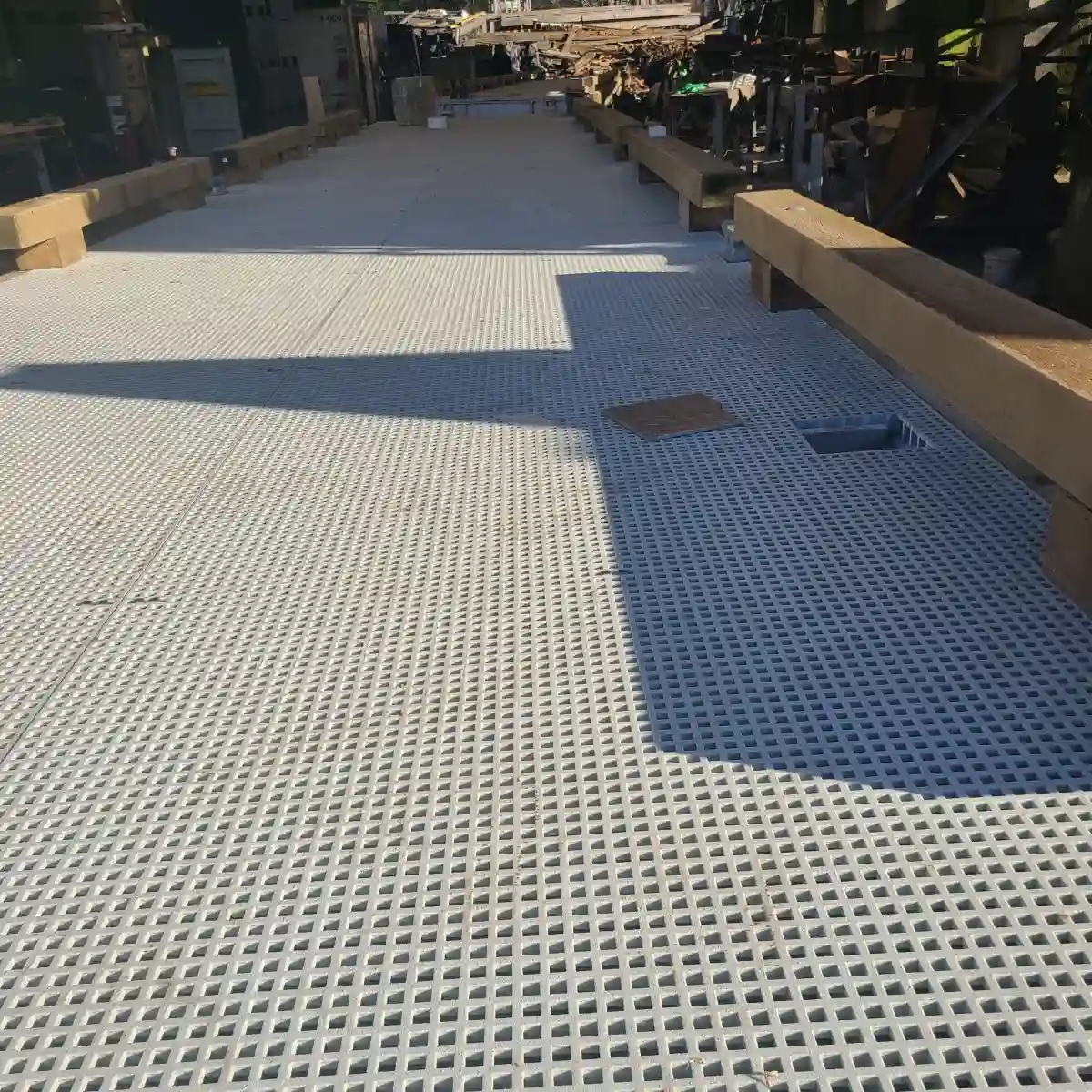
Heavy duty FRP grating for industrial flooring is the single most common application. Key installations include:
- Chemical processing plants — Resists attack from acids, alkalis, solvents, and corrosive gases that would rapidly deteriorate steel grating. Vinyl ester resin is typically specified for these environments.
- Offshore oil and gas platforms — The combination of saltwater corrosion resistance, lightweight properties (reducing structural load on the platform), and non-sparking safety makes heavy duty FRP grating ideal for offshore helidecks, walkways, and mezzanines.
- Wastewater treatment facilities — Exposure to hydrogen sulfide gas, chlorine, and moisture creates an extremely corrosive atmosphere. Heavy duty FRP grating provides 20+ year service life in these conditions.
- Food processing plants — Non-absorbent, easy-to-clean surfaces that resist bacterial growth, with the added benefit of being impervious to cleaning chemicals and hot water washdowns.
- Power generation facilities — Cooling towers, chemical feed areas, and battery rooms where corrosion resistance and electrical non-conductivity are critical.
Other Key Applications
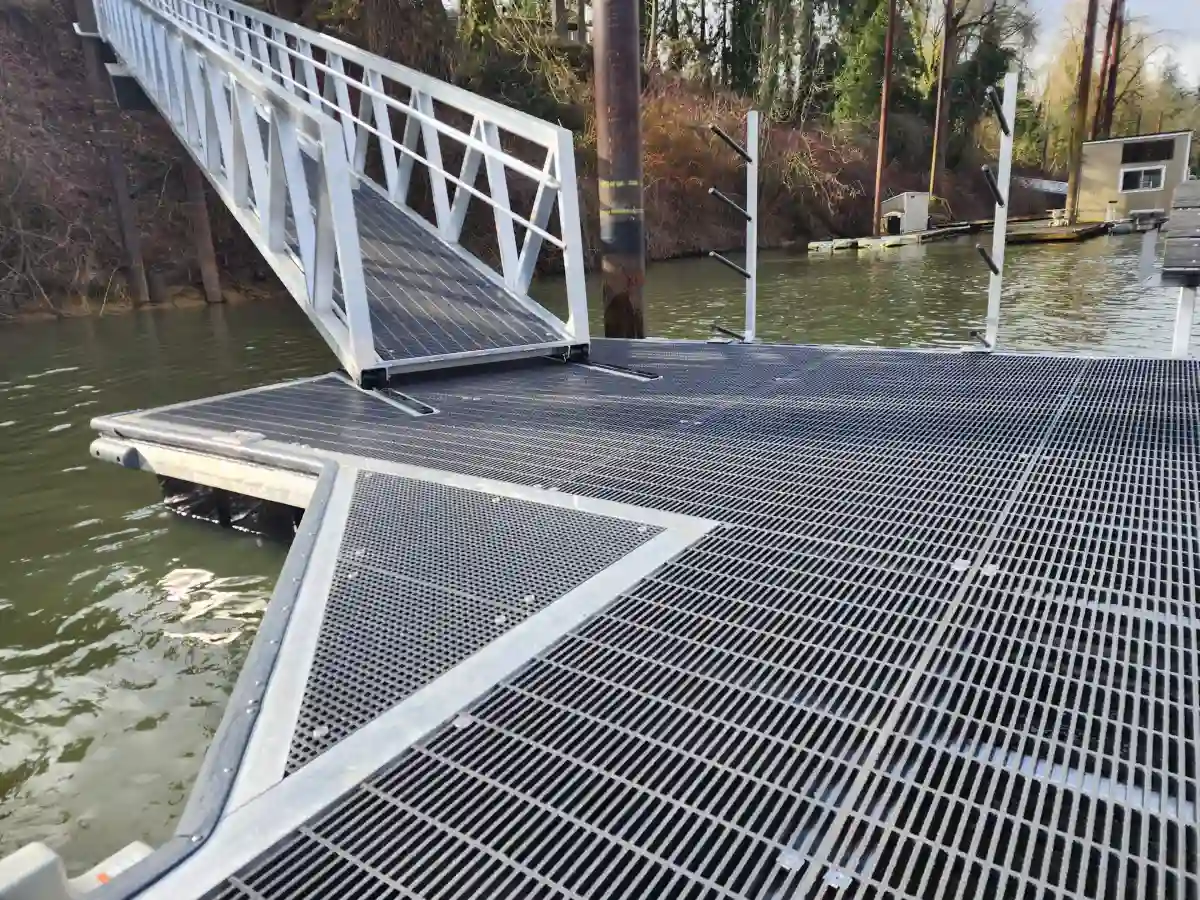
Beyond industrial flooring, heavy duty FRP grating is widely used for: trench covers and drainage grates that must support vehicle traffic; truckable surfaces in loading docks and vehicle washing bays; mining and mineral processing platforms where abrasion and chemical resistance are needed; marine and dockside structures exposed to saltwater; and fire-resistant applications using phenolic resin systems in tunnels and offshore installations.
In every case, the combination of high load capacity, corrosion resistance, low maintenance requirements, and long service life (often 20–30 years) makes heavy duty FRP grating a cost-effective choice despite its higher initial cost compared to standard grating or painted steel.
How to Choose Heavy Duty FRP Grating for Industrial Flooring
How to choose heavy duty FRP grating for industrial flooring? Selecting the right heavy duty FRP grating involves evaluating several critical factors to ensure the grating performs safely and economically over its intended service life. Follow these steps to make an informed decision.
Step 1: Determine Load Requirements
Calculate the maximum expected load including dead loads (the weight of the grating itself), live loads (personnel, equipment, vehicles), and impact loads. For industrial flooring, consider concentrated point loads from machinery legs or forklift wheels, not just uniform loads. Use manufacturer load tables to match your load requirements with the appropriate bar depth, thickness, and span.
Step 2: Assess the Chemical Environment
Identify all chemicals the grating will be exposed to, including acids, bases, solvents, oils, and cleaning agents. Match the resin system to your chemical exposure:
- Polyester — Suitable for mild chemical exposure and general industrial use
- Vinyl ester — Required for strong acids, bleaches, and aggressive chemical environments
- Epoxy — Best for alkaline environments and high mechanical strength requirements
- Phenolic — Specify when fire resistance and low smoke generation are critical
Step 3: Determine Span and Support Structure
Measure the distance between support beams. The unsupported span directly determines the required bearing bar depth and thickness. As a rule of thumb, heavy duty FRP grating with 38 mm bearing bars can span 24–36 inches, while 50 mm bars can span 36–48 inches or more, depending on load requirements.
Step 4: Consider Safety Requirements
Evaluate whether slip resistance is needed (specify filled-surface grating or grit-top surface), whether fire ratings apply (phenolic resin for flame spread <25), and whether electrical non-conductivity is important for worker safety near electrical equipment. Heavy duty FRP grating is naturally non-conductive and non-sparking, making it inherently safer than steel in explosive environments.
Step 5: Evaluate Lifecycle Costs
While the initial heavy duty FRP grating price may be higher than painted steel or standard grating, the total cost of ownership over 20+ years is typically lower due to zero corrosion maintenance, no repainting requirements, and reduced replacement frequency. Factor in installation savings from the lighter weight (no crane needed in many cases) when comparing material options.
How to Install Heavy Duty FRP Grating Panels
How to install heavy duty FRP grating panels? Proper installation is critical to achieving the rated load capacity and service life of heavy duty FRP grating. While the material is lighter and easier to handle than steel, there are specific techniques and best practices that differ from metal grating installation.
Preparation and Handling
Before installation, inspect all panels for damage during shipping. Heavy duty FRP grating should be stored flat on a level surface, protected from direct sunlight and extreme temperatures. Cut panels on-site using carbide-tipped saw blades or abrasive cutoff wheels — diamond blades work best for clean edges. Always wear appropriate PPE including dust masks when cutting, as fiberglass dust can irritate skin and lungs.
Support Structure Requirements
The support structure must be level, clean, and free of sharp edges that could damage the grating. Steel support beams should have a minimum bearing width of 1 inch (25 mm) for heavy duty panels. The grating should bear uniformly on all supports — never force panels into position. Use shims if needed to ensure even bearing across all support points.
Fastening Methods
Heavy duty FRP grating panels can be secured using several methods:
- Hold-down clips — Stainless steel or FRP clips that attach to the support structure and clamp the grating. These are the most common method, allowing for thermal expansion and contraction.
- Through-bolting — For maximum security in high-vibration environments, drill holes through the grating and bolt directly to the support structure. Use stainless steel hardware with large diameter washers to distribute the clamping force.
- Countersunk screws — For pedestrian walkways where a flush surface is needed, use countersunk FRP or stainless steel screws.
Important: Always drill holes 1/16 inch larger than the bolt diameter to allow for thermal expansion. Never over-tighten fasteners — FRP grating can crush if clamping force is excessive. Use torque-limiting tools set to manufacturer specifications.
Cutting and Field Modifications
For cutouts around pipes, columns, or equipment, use a jigsaw with a carbide blade or a hole saw. All cut edges should be sealed with the compatible resin system to prevent moisture ingress and maintain corrosion resistance. Most manufacturers supply edge sealant kits for this purpose.
Inspection After Installation
After installation, verify that all panels are properly seated on supports, all fasteners are secure but not over-tightened, and there are no gaps exceeding 1/4 inch between panels. Test the installation with a light load before putting it into service. Regular annual inspections should check for loose fasteners, damaged bars, or signs of UV degradation.
Heavy Duty FRP Grating Price Factors
The heavy duty FRP grating price varies significantly based on material specifications, panel dimensions, resin type, and quantities ordered. Understanding these cost factors helps you budget accurately and avoid over-specifying features that drive up cost unnecessarily.
Key Pricing Factors
- Resin type — Vinyl ester resin systems cost 20–40% more than polyester. Phenolic resin is typically the most expensive option, adding 30–50% to the base material cost.
- Bearing bar depth and thickness — Thicker, deeper bars require more raw material and increase weight. A 50 mm heavy duty panel costs approximately 40–60% more than a 25 mm standard panel.
- Panel size and quantity — Custom sizes and small quantities (under 100 ft²) command premium pricing. Full container orders (20,000+ ft²) can reduce per-unit costs by 15–25%.
- Surface finish — Grit-top surfaces for slip resistance add 5–15% to the panel cost. Filled-surface grating (solid top) costs 25–40% more than standard open-mesh grating.
- Fire rating requirements — Phenolic or specially formulated fire-retardant resin systems meeting ASTM E84 Class I or Class A ratings add 20–35% to material costs.
Typical Price Ranges
As a general reference, heavy duty FRP grating prices typically fall in these ranges (prices are estimates and vary by region and supplier):
| Grade | Resin | Approximate Price Range (per ft²) |
|---|---|---|
| 38 mm, polyester | Polyester | $18–$28 |
| 38 mm, vinyl ester | Vinyl ester | $25–$38 |
| 50 mm, polyester | Polyester | $28–$42 |
| 50 mm, vinyl ester | Vinyl ester | $38–$55 |
| 50 mm, phenolic (fire-rated) | Phenolic | $45–$70 |
Total Cost of Ownership
While heavy duty FRP grating has a higher upfront cost than painted steel grating (typically $8–$15/ft²), the lifecycle cost analysis strongly favors FRP. Steel grating requires repainting every 2–5 years in corrosive environments, while FRP grating typically requires no maintenance for 20+ years. When factoring in installation labor savings (FRP weighs 75% less than steel), elimination of hot work permits for welding, and reduced downtime for replacements, heavy duty FRP grating often delivers the lowest total cost of ownership over its service life.
Conclusion
Heavy duty FRP grating represents the pinnacle of fiberglass grating engineering, delivering exceptional load capacity, superior corrosion resistance, and long-term durability in the most demanding industrial environments. With load ratings from 500 to over 2,000 psf, thickness options from 25 mm to 50 mm, and a wide range of resin systems to match specific chemical exposures, there is a heavy duty FRP grating configuration for virtually every heavy industrial flooring application.
When selecting heavy duty FRP grating for your project, carefully evaluate your load requirements, chemical environment, span distances, and safety needs. The higher initial heavy duty FRP grating price compared to standard grating or steel is offset by dramatically lower lifecycle costs — zero corrosion maintenance, no repainting, and a service life that frequently exceeds 20 years even in aggressive environments.
Whether you need heavy duty FRP grating for industrial flooring in a chemical plant, truckable trench covers for a loading dock, or corrosion-resistant walkways for an offshore platform, the combination of strength, durability, and low maintenance makes heavy duty FRP grating a smart investment. Consult with qualified manufacturers to obtain certified load tables and material recommendations tailored to your specific application requirements.