Introduction
When it comes to industrial flooring, walkways, and platforms, two materials dominate the conversation: fiberglass reinforced plastic (FRP) grating and traditional steel grating. The debate of FRP grating vs steel grating is one that engineers, facility managers, and procurement professionals face regularly. Each material brings distinct advantages to the table, and choosing the wrong one can lead to premature failure, safety hazards, or unnecessary expense.
This comprehensive guide breaks down every important factor — from material composition and weight to strength, corrosion resistance, lifespan, and cost — so you can make an informed decision. Whether you are designing a new chemical plant platform, replacing a rusted walkway, or comparing frp floor grating vs steel grating for a marine environment, this article covers the full picture.
By the end, you will know exactly which grating type suits your specific application, budget, and long-term maintenance strategy.
What Are FRP Grating and Steel Grating?
What Is FRP Grating?
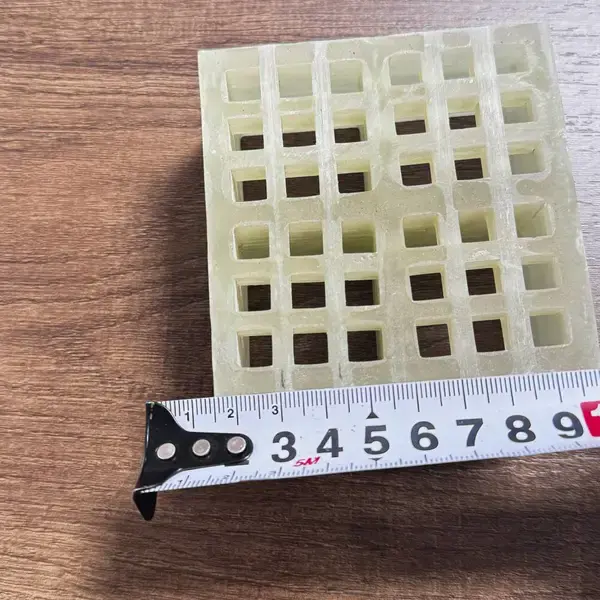
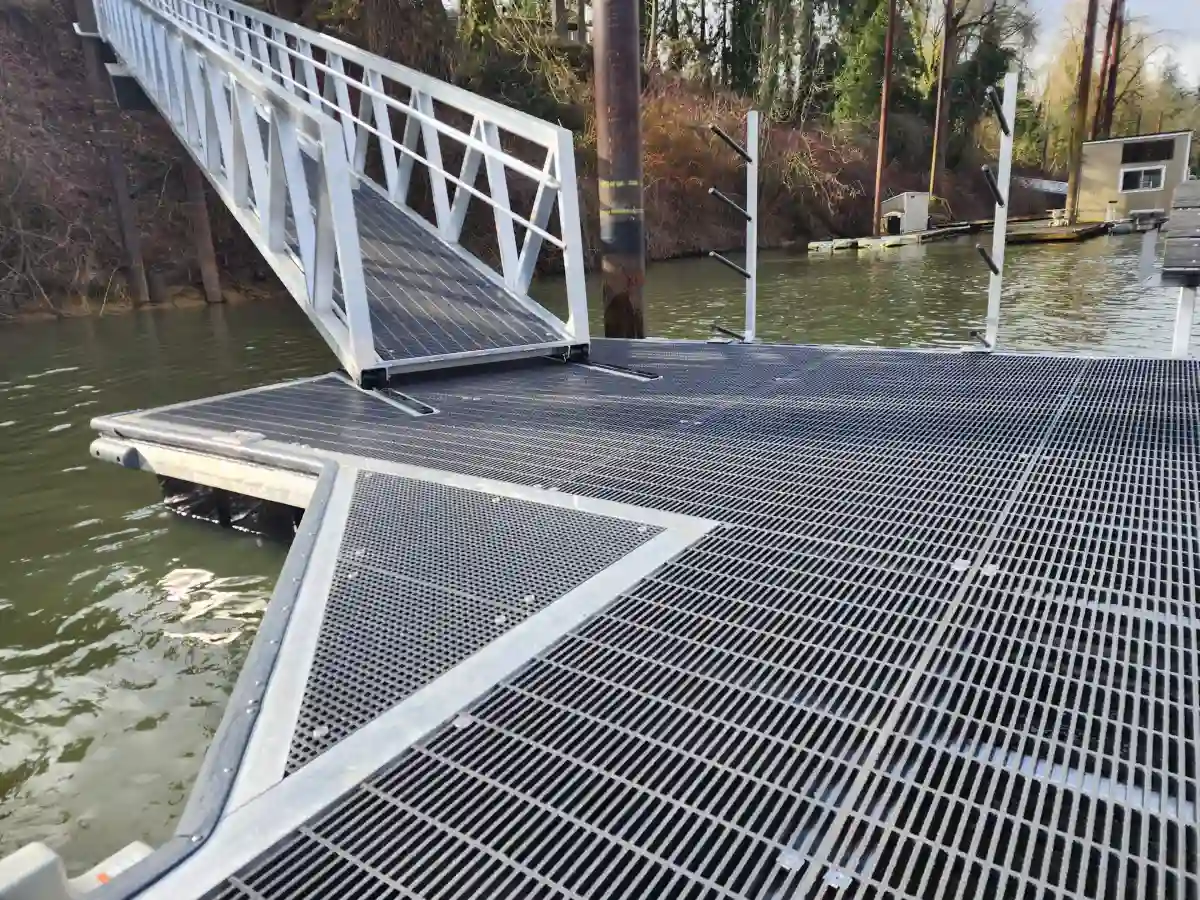
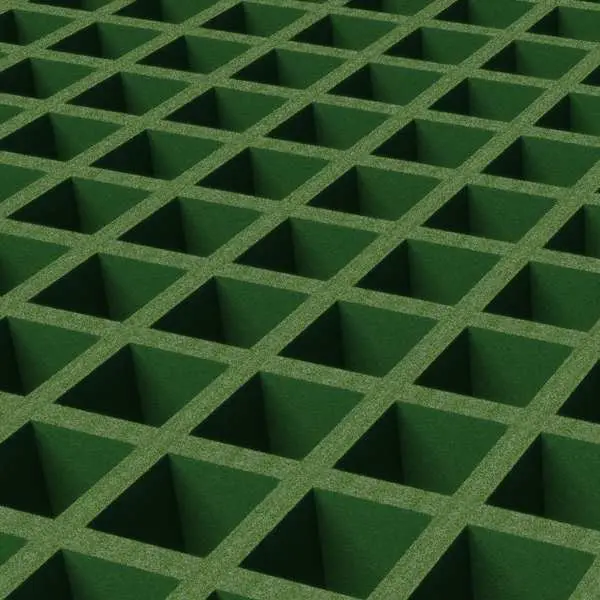
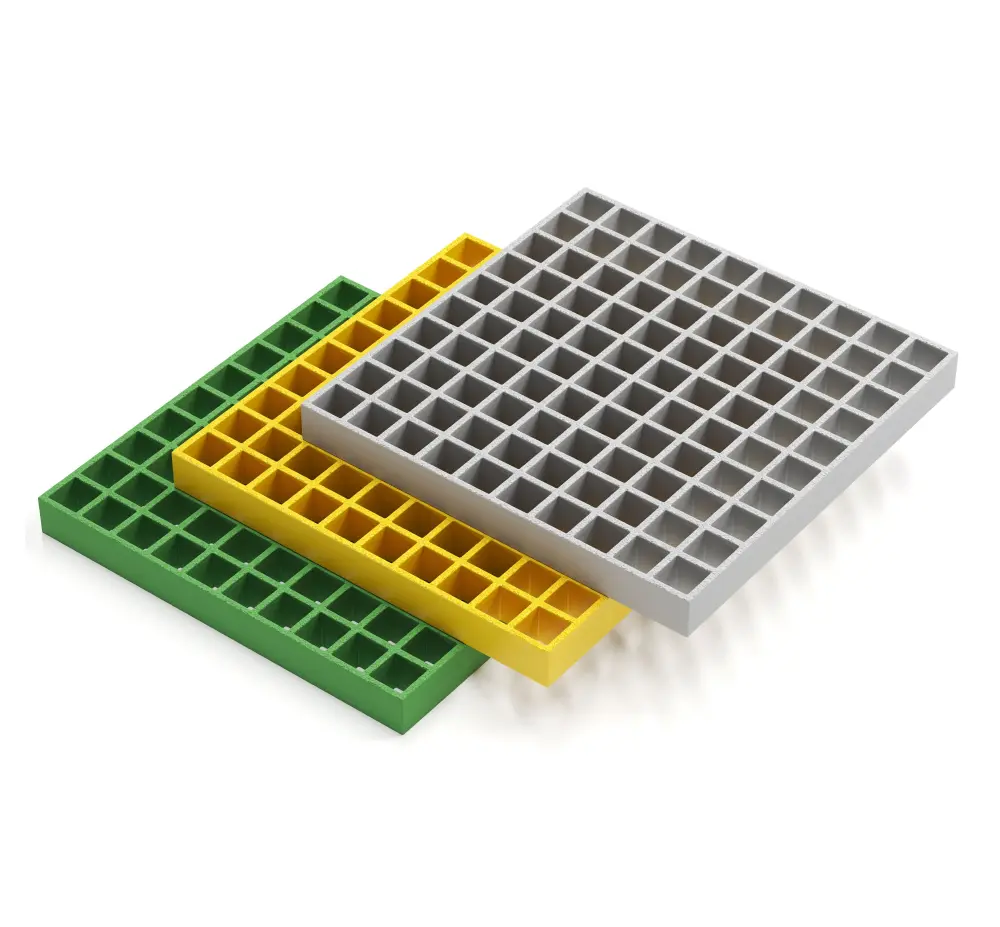
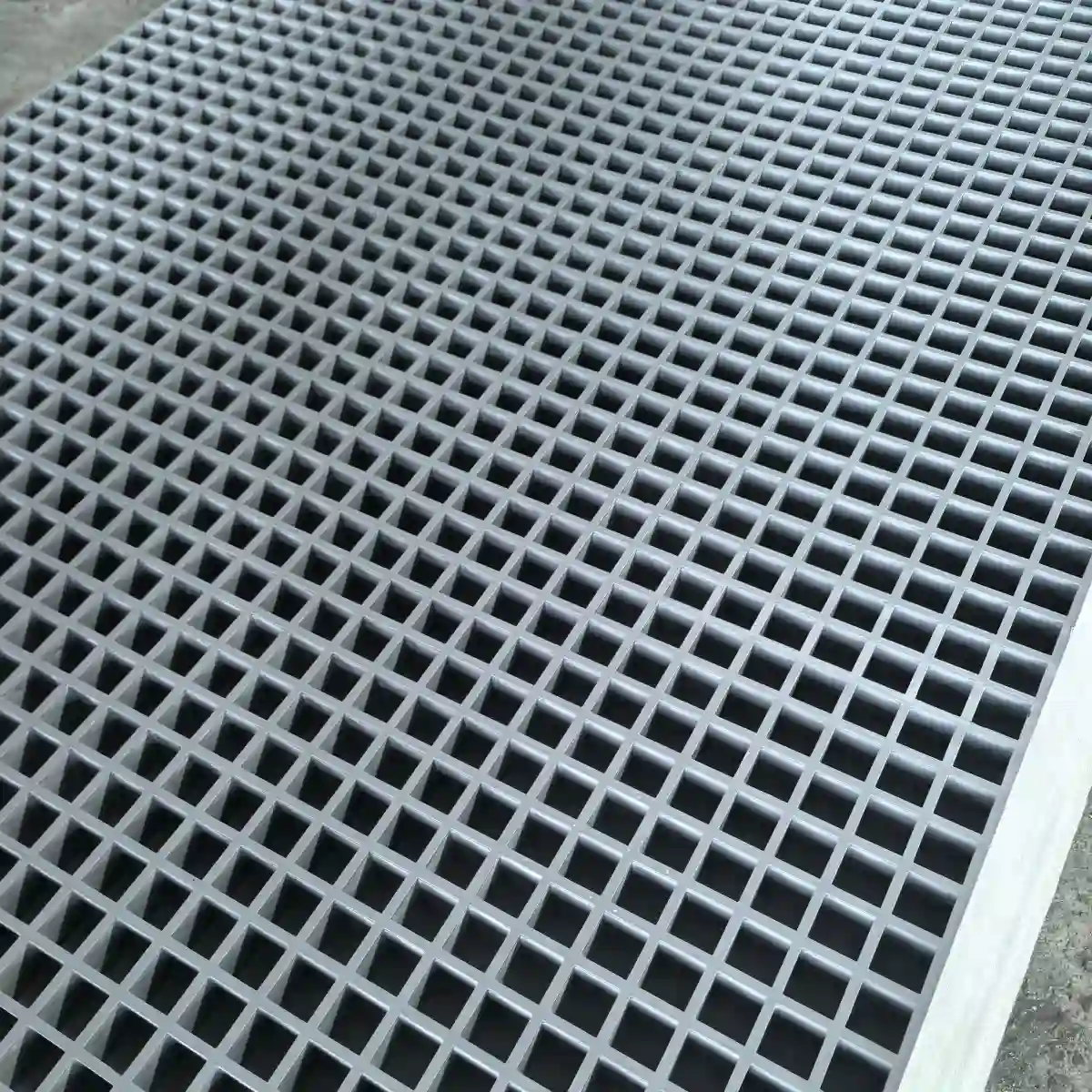
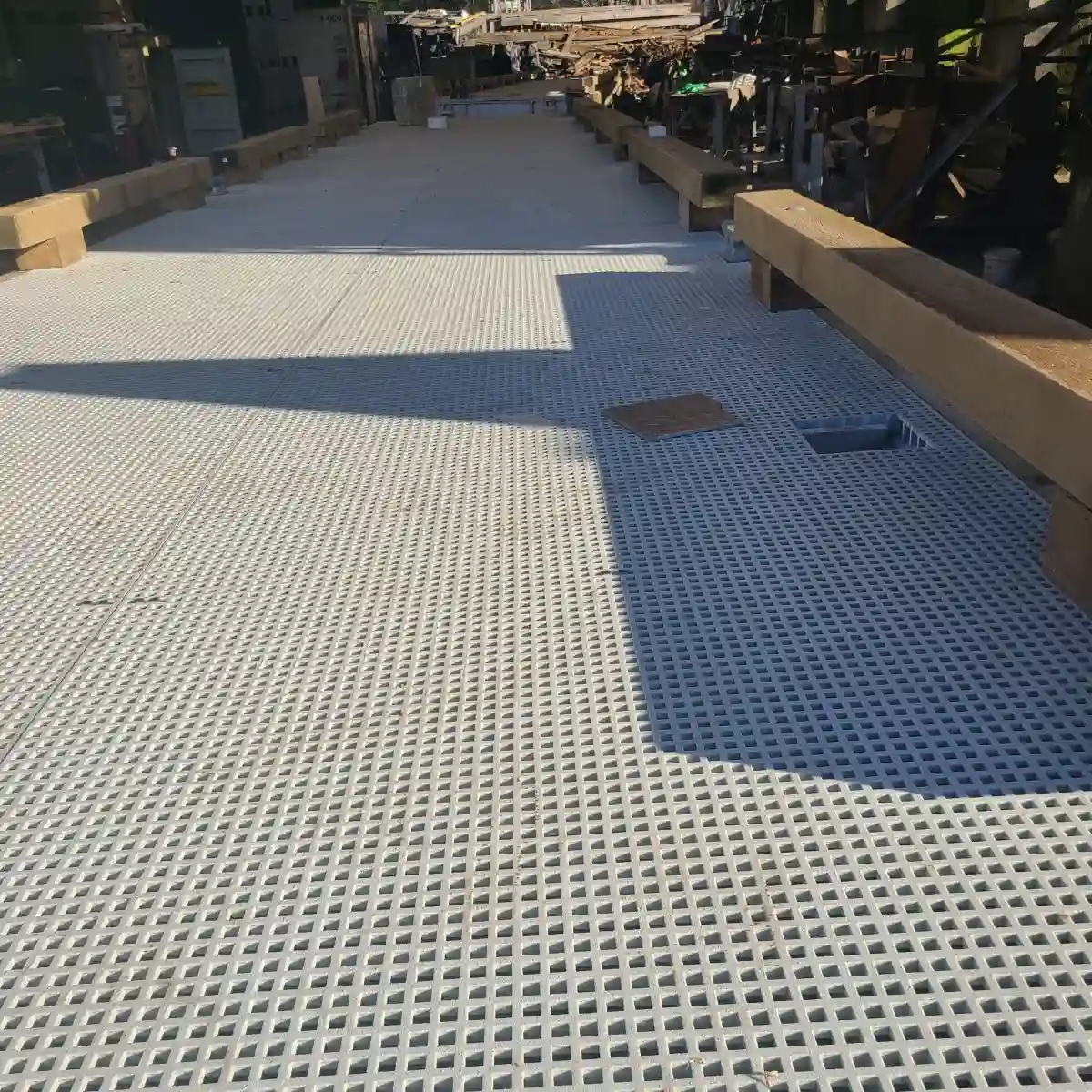
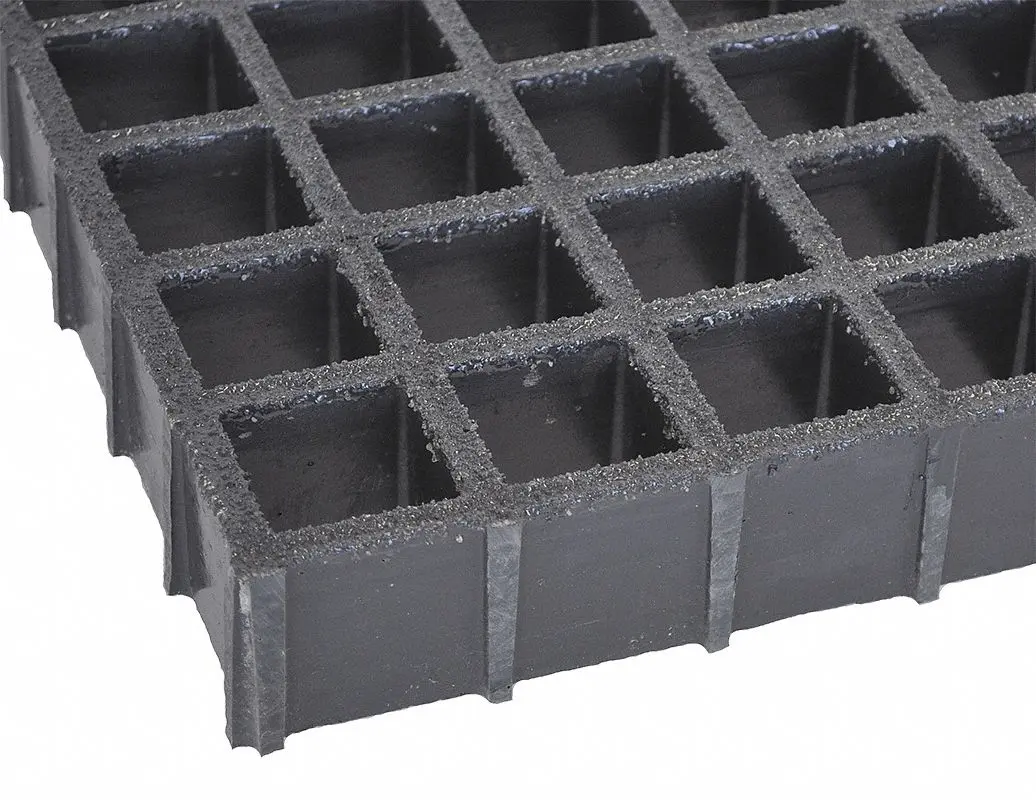
FRP (Fiberglass Reinforced Plastic) grating is a composite material made from fiberglass strands embedded in a resin matrix. The manufacturing process — typically pultrusion or compression molding — produces a grid-like panel that is lightweight, non-conductive, and highly resistant to corrosion. FRP grating is commonly used in chemical plants, offshore platforms, water treatment facilities, food processing plants, and marine environments where steel would rapidly deteriorate.
FRP grating is available in multiple resin systems including polyester, vinyl ester, and phenolic, each tailored for specific chemical exposure and fire resistance requirements. It does not rust, rot, or conduct electricity, making it a go-to choice for demanding environments.
What Is Steel Grating?
Steel grating, also known as bar grating or metal grating, is fabricated from carbon steel bars that are welded or press-locked into a rigid grid pattern. It has been the traditional choice for industrial flooring for over a century. Steel grating is valued for its exceptional load-bearing capacity, impact resistance, and relatively low upfront cost. Common applications include heavy-duty platforms, trench covers, mezzanines, vehicle ramps, and industrial catwalks.
Steel grating can be galvanized (hot-dip or electro-galvanized) or coated with epoxy to improve corrosion resistance, but these coatings wear off over time, especially in harsh environments. Steel is heavy, conductive, and requires ongoing maintenance to prevent rust.
FRP Grating vs Steel Grating: Key Differences
Understanding the FRP grating vs steel grating comparison starts with the fundamental differences in how these materials are made and how they behave. Here are the primary distinctions:
Material Composition: FRP grating is a composite of fiberglass and resin — a non-metallic, non-conductive material. Steel grating is fabricated from carbon steel, an iron-carbon alloy that is conductive and magnetic.
Corrosion Behavior: The most significant difference is how each material reacts to moisture and chemicals. FRP grating is inherently corrosion-resistant throughout its entire cross-section. Steel grating, even when galvanized, will eventually rust when exposed to water, salt, acids, or caustic chemicals. Once the protective coating on steel is scratched or worn, rust begins immediately.
Weight: FRP grating weighs approximately 60-75% less than steel grating of equivalent dimensions. A typical steel grating panel can be three to four times heavier than its FRP counterpart, which directly impacts shipping costs, structural support requirements, and installation labor.
Electrical and Thermal Properties: FRP is electrically non-conductive and thermally insulating, making it safe around electrical equipment and comfortable to walk on in extreme temperatures. Steel conducts both electricity and heat, posing safety risks in electrical environments and becoming uncomfortably hot or cold.
Maintenance Requirements: FRP grating requires minimal maintenance — no painting, no coatings, no rust removal. Steel grating demands regular inspection, painting, and corrosion treatment, especially in aggressive environments.
Weight and Strength Comparison
Two of the most common questions in the FRP grating vs steel grating discussion are about weight and load-bearing capacity. Here is how they compare.
Is FRP Grating Lighter Than Steel Grating?
Yes — significantly. FRP grating weighs roughly one-fourth to one-third of steel grating with the same dimensions. For example, a standard 1-inch thick FRP grating panel weighs about 3-4 lbs per square foot, while a comparable steel grating panel weighs 10-15 lbs per square foot. This dramatic weight difference makes FRP grating much easier to handle, transport, and install without heavy lifting equipment.
The lighter weight of FRP also reduces the structural load on support beams and foundations, which can lead to savings on the overall structural steel design. In retrofit projects where existing structures have limited load capacity, FRP grating is often the only viable option.
Which Is Stronger, FRP Grating or Steel Grating?
In terms of raw load-bearing capacity, steel grating is stronger. Steel has a higher modulus of elasticity — approximately 29,000 ksi compared to 2,000-3,000 ksi for FRP — meaning steel deflects less under the same load. For heavy-duty applications like vehicle traffic, crane loads, or forklift pathways, steel grating is typically the stronger choice.
However, strength-to-weight ratio tells a different story. When comparing strength relative to weight, FRP grating often matches or exceeds steel. FRP is also stronger in the longitudinal (pultrusion) direction and can be engineered with additional reinforcement where higher loads are expected. For standard industrial walkways and platforms with uniform distributed loads of 100-200 psf, both materials perform adequately.
It is also worth noting that FRP grating retains its strength over time because it does not corrode. Steel grating, by contrast, loses structural integrity as rust develops. A corroded steel grating that was originally "stronger" can become dangerously weak within a few years in a corrosive environment.
Corrosion Resistance and Lifespan
Why Does Steel Grating Rust While FRP Grating Does Not?
Steel grating rusts because it is made primarily of iron. When iron contacts oxygen and moisture — or worse, salt water, acids, or industrial chemicals — an electrochemical reaction called oxidation occurs. This reaction produces iron oxide, or rust, which flakes away and exposes fresh metal underneath, accelerating the deterioration process. Even galvanized steel grating eventually rusts once the zinc coating is compromised by scratches, wear, or chemical attack.
FRP grating, by contrast, contains no metal whatsoever. The fiberglass reinforcement and resin matrix are both inherently non-metallic and chemically inert. Resin systems like vinyl ester and polyester are specifically formulated to resist attack from acids, alkalis, solvents, and salt water. Because there is no iron to oxidize, FRP cannot rust. This corrosion resistance is not a coating or surface treatment — it is a material property that extends throughout the entire thickness of the panel.
Which Lasts Longer, FRP Grating or Steel Grating?
In corrosive environments, FRP grating lasts significantly longer than steel grating. A well-manufactured FRP grating panel can last 20-30 years or more in aggressive environments where steel grating may need replacement in 3-8 years. Even in mild indoor environments, FRP grating outlasts painted steel due to its resistance to humidity and cleaning chemicals.
Steel grating can also last 15-25 years in benign, dry indoor conditions with proper maintenance — regular painting, rust removal, and coating touch-ups. However, the ongoing maintenance cost often offsets the lower initial purchase price. FRP grating requires no painting, no rust treatment, and no protective coatings over its service life.
Cost Comparison: FRP Grating Price vs Steel Grating Price
One of the most frequently asked questions is about frp grating price compared to steel. The answer depends on whether you consider upfront purchase cost or total cost of ownership over the product life cycle.
Upfront Cost Comparison
Steel grating has a lower initial purchase price. A standard carbon steel welded grating panel typically costs 30-50% less than an equivalent FRP grating panel. For projects with tight upfront budgets, steel grating appears to be the more economical choice.
However, several factors close this gap:
- Shipping costs: FRP grating weighs 60-75% less, reducing freight costs significantly. A truckload of FRP grating covers more square footage than the same truckload of steel.
- Installation costs: FRP grating can often be installed manually without cranes or heavy equipment, reducing labor and equipment rental expenses.
- Structural support savings: The lighter weight of FRP requires less structural steel for support, which can reduce overall project costs.
Total Cost of Ownership
When evaluating frp grating price over the full service life, FRP is frequently the more cost-effective option. Consider that steel grating requires periodic painting, rust removal, and coating repairs — typically every 2-5 years depending on the environment. Over a 20-year lifespan, these maintenance costs can add 50-100% to the initial purchase price of steel grating.
FRP grating, with its zero-maintenance requirement, has no such recurring costs. Factoring in replacement cycles — steel may need replacement 2-3 times in a harsh environment where FRP lasts the entire period — the long-term savings with FRP are substantial.
Installation and Maintenance Differences
Is FRP Grating Easier to Install Than Steel Grating?
Yes — FRP grating is generally easier and faster to install than steel grating. The primary reason is weight: since FRP grating panels are 60-75% lighter than steel, they can be carried and positioned by hand. Steel grating panels often require cranes, forklifts, or hoists, especially in large sizes or heavy-duty configurations.
FRP grating can be cut on-site using standard carbide-tipped saw blades or abrasive cut-off wheels. It can be drilled, shaped, and modified with common power tools. Steel grating requires abrasive cutting wheels, plasma cutters, or oxy-acetylene torches, which are slower and require more safety precautions.
Attachment methods also differ. FRP grating is typically secured with stainless steel or FRP hold-down clips that are simple to fasten and do not require welding. Steel grating is often welded to the support structure or fastened with heavy-duty clamps, both of which require skilled labor and more time.
Maintenance Comparison
The maintenance difference between FRP and steel is dramatic:
- FRP grating: No painting, no rust removal, no coatings. A simple wash with water or mild detergent is all that is needed. Periodic inspection for mechanical damage is recommended but rarely required.
- Steel grating: Requires regular inspection for rust spots, surface preparation, primer application, and top-coat painting. In corrosive environments, this cycle repeats every 1-3 years. Galvanized steel grating needs touch-up of the zinc coating where it has worn away.
For facilities with limited maintenance staff or hard-to-reach installations (overhead platforms, offshore structures), the "install and forget" nature of FRP grating is a major operational advantage.
When to Choose FRP Grating Over Steel Grating
Understanding when to choose FRP grating over steel grating is key to getting the best value from your investment. Here are the situations where FRP grating is the superior choice:
- Corrosive environments: Chemical plants, wastewater treatment facilities, offshore platforms, marine docks, and battery storage areas all demand corrosion-resistant materials. FRP grating excels where steel would fail quickly.
- Electrical safety zones: Substations, electrical rooms, transformer yards, and telecommunications facilities benefit from FRP's non-conductive properties, eliminating shock hazards and preventing eddy currents in electrical fields.
- Weight-sensitive structures: Rooftop walkways, mezzanines, elevated platforms, and retrofit projects where existing structural capacity is limited all benefit from FRP's light weight.
- Food processing and hygiene areas: FRP grating's non-porous surface resists bacterial growth, is easy to clean with harsh sanitizers, and does not flake or rust. It meets USDA and FDA requirements for food contact areas.
- Low-maintenance requirements: Facilities in remote locations, hard-to-access areas, or those with lean maintenance budgets benefit from FRP's zero-maintenance service life.
- Non-magnetic environments: MRI facilities, laboratories, and sensitive electronic equipment areas require non-magnetic flooring materials.
When evaluating frp floor grating vs steel grating for flooring applications, consider the specific environmental conditions, safety requirements, and lifecycle cost rather than just the initial purchase price.
When to Choose Steel Grating Over FRP Grating
Despite the many advantages of FRP, steel grating remains the better choice in specific situations. Here is when you should choose steel grating over FRP:
- Extreme load requirements: Heavy vehicle traffic, crane runways, forklift aisles, and industrial platforms supporting concentrated point loads are better served by steel grating's higher stiffness and load capacity.
- High-temperature environments: Steel grating can withstand temperatures exceeding 800°F (427°C) without structural degradation. FRP grating typically has a maximum continuous service temperature of 180-250°F (82-121°C), depending on the resin system.
- Budget-constrained projects: When the upfront budget is the primary constraint and the environment is mild (dry indoor conditions with no corrosive chemicals), steel grating's lower initial cost makes it attractive.
- Impact and abuse resistance: Steel grating is more resistant to sudden impact loads, dropped tools, and mechanical abuse. FRP can chip or crack under severe impact, though heavy-duty FRP grades mitigate this concern.
- Fire-rated applications requiring non-combustible materials: While FRP is available with fire-retardant additives (phenolic FRP grating), steel is inherently non-combustible and does not produce smoke or support flame spread.
- Welded integration: When the grating needs to be welded directly to steel support structures for maximum rigidity, steel grating is the natural choice.
Each project should be evaluated on its specific demands. In many cases, a combination of both materials — FRP in corrosive zones and steel in high-load areas — provides the optimal solution.
Quick Comparison Table: FRP Floor Grating vs Steel Grating
Here is a side-by-side reference for the FRP floor grating vs steel grating comparison across all key factors:
| Property | FRP Grating | Steel Grating |
|---|---|---|
| Weight | 3-4 lbs/ft² — very light | 10-15 lbs/ft² — heavy |
| Load Capacity | Good for pedestrian & light vehicle | Excellent for heavy loads & vehicles |
| Strength-to-Weight Ratio | Excellent | Moderate |
| Corrosion Resistance | Excellent — does not rust | Poor — rusts without protection |
| Lifespan (Harsh) | 20-30+ years | 3-8 years |
| Lifespan (Mild) | 30+ years | 15-25 years (with maintenance) |
| Upfront Cost | Higher ($8-20/ft²) | Lower ($4-12/ft²) |
| Lifecycle Cost | Lower — no maintenance | Higher — recurring painting & repairs |
| Electrical Conductivity | Non-conductive — safe near electricity | Conductive — shock hazard |
| Thermal Conductivity | Insulating — comfortable to walk on | Conductive — hot/cold surface |
| Magnetic | Non-magnetic | Magnetic |
| Chemical Resistance | Excellent — wide resin options | Poor — attacked by acids & salts |
| Temperature Tolerance | 180-250°F max | 800°F+ |
| Installation Difficulty | Easy — hand-carried, cut with saw | Moderate — needs crane, torches |
| Maintenance | Zero — wash only | High — paint, rust treat, inspect |
| Fire Performance | Varies by resin; phenolic is fire-rated | Non-combustible |
| Impact Resistance | Moderate — can chip under severe load | Excellent — withstands abuse |
| Suitable Environments | Chemical, marine, food, electrical | Dry indoor, heavy traffic, high heat |
Conclusion
Choosing between FRP grating and steel grating is not about declaring one universally "better" — it is about matching the material to your specific application requirements. The FRP grating vs steel grating decision ultimately comes down to three key factors: environment, load requirements, and budget philosophy.
Choose FRP grating when your priority is corrosion resistance, light weight, electrical safety, low maintenance, and long service life. It is the clear winner for chemical plants, marine environments, food processing facilities, electrical substations, and any application where steel would quickly deteriorate or create safety hazards.
Choose steel grating when you face extreme loads, high temperatures exceeding 250°F, severe impact or abuse, or when the project budget cannot accommodate the higher upfront cost of FRP. Steel remains the right choice for heavy industrial settings with dry, non-corrosive conditions.
For most modern industrial projects, however, the long-term value proposition of FRP grating is compelling. When you factor in the zero-maintenance requirement, longer replacement cycle, easier installation, and superior safety properties, FRP grating often delivers a lower total cost of ownership even with its higher initial frp grating price.
We recommend evaluating your project on a case-by-case basis, considering both the immediate budget and the 10-20 year cost outlook. In many facilities, a hybrid approach — using FRP in corrosive zones and steel in heavy-traffic areas — provides the optimal balance of performance and economy.