Introduction
When planning an industrial flooring project, one of the first questions that comes up is: how much does FRP grating cost? Whether you are outfitting a chemical plant, building a walkway, or replacing corroded steel gratings, understanding the FRP grating price landscape is essential for accurate budgeting and informed decision-making.
Fiberglass Reinforced Plastic (FRP) grating offers exceptional corrosion resistance, high strength-to-weight ratio, and long service life — but its pricing varies widely based on material composition, manufacturing method, dimensions, and order quantity. Unlike commodity materials such as steel or aluminum, FRP grating pricing involves multiple variables that can significantly impact the final cost per square foot.
This comprehensive FRP grating pricing guide covers everything you need to know: average price ranges for 2025, cost comparisons with steel and aluminum grating, factors that influence pricing, how to get the best bulk discounts, and how to calculate the total project cost for your specific application. By the end of this guide, you will have a clear understanding of what to expect when requesting quotes and how to optimize your budget for maximum value.
FRP Grating Pricing Overview — What Affects the Cost?
FRP grating pricing is not a one-size-fits-all figure. Unlike standardized steel gratings, FRP grating is manufactured using different processes — primarily molded grating and pultruded grating — each with distinct cost structures. Additionally, the choice of resin system, glass fiber content, and surface finish all play a role in determining the final FRP grating price.
The average FRP grating price per square foot typically ranges from $15 to $45, depending on the type and specifications. Molded FRP grating tends to be more affordable, while pultruded FRP grating commands a premium due to its higher strength and directional load-bearing capabilities. Industrial-grade panels with specialized resin systems such as vinyl ester or fire-retardant formulations can push prices toward the higher end of this range.
Understanding these pricing dynamics is crucial for procurement managers and facility engineers who need to balance performance requirements with budget constraints. The good news is that FRP grating offers excellent long-term value — its corrosion resistance and low maintenance requirements often result in a lower total cost of ownership compared to steel, even when the upfront FRP grating price appears higher.
Key Factors That Influence FRP Grating Price
Several key variables directly impact the FRP grating price you will be quoted. Understanding these factors helps you make cost-effective choices without compromising quality:
- Resin Type: Polyester resin is the most economical option, while vinyl ester and epoxy resins cost more but offer superior chemical and heat resistance. For highly corrosive environments, the premium for vinyl ester is justified by longer service life.
- Glass Fiber Content: Higher glass-to-resin ratios increase strength but also raise material costs. Pultruded grating typically has 60–70% glass content by weight, whereas molded grating contains about 30–40%.
- Manufacturing Process: Molded grating is produced in open molds and is generally less expensive per square foot. Pultruded grating is manufactured through a continuous pulling process that creates stronger, more consistent profiles at a higher FRP grating cost estimate.
- Dimensions and Thickness: Standard panel sizes (4 ft × 8 ft or 1.2 m × 3.6 m) are more cost-effective than custom dimensions. Thicker panels (1.5 in or 38 mm) cost more than thinner options (1 in or 25 mm).
- Surface Finish: Gritted surfaces with silica sand or ceramic particles add slip resistance but increase the price by approximately 10–15%.
- Order Volume: Bulk orders typically receive significant discounts. The price per square foot decreases as order quantities increase, making larger projects more economical.
These factors interact in complex ways. For example, a heavy-duty vinyl ester molded grating with a gritted surface will cost significantly more than a standard polyester pultruded grating. Always request a detailed FRP grating price list from manufacturers that breaks down these variables so you can compare quotes on an apples-to-apples basis.
Raw Material Costs: Resin and Glass Fiber
The two primary raw materials in FRP grating manufacturing are resin and glass fiber, and their market prices directly influence the final FRP grating price.
Resin Systems and Their Cost Impact:
- Polyester Resin: The most commonly used and most economical resin. Orthophthalic polyester is the baseline option, while isophthalic polyester offers better corrosion resistance at a moderate premium. Polyester-based grating typically offers the lowest FRP grating cost estimate.
- Vinyl Ester Resin: Approximately 30–50% more expensive than polyester. Vinyl ester provides superior chemical resistance, especially in acidic and alkaline environments. It is the preferred choice for chemical plants, wastewater treatment facilities, and pulp and paper mills.
- Epoxy Resin: The most expensive option, typically used only in specialized applications requiring extremely high mechanical strength or thermal performance.
- Fire-Retardant Additives: Formulations that meet ASTM E84 Class I or Class A fire ratings add 10–20% to the material cost but are mandatory in certain building code applications.
Glass Fiber Reinforcement: E-glass is the standard reinforcement and is relatively affordable. However, the percentage of glass content (by weight) significantly affects cost. Pultruded grating uses 60–70% glass content for maximum strength, while molded grating uses 30–40% glass content, which contributes to its lower price point. The type of glass fiber — continuous strand mat, woven roving, or combination — also influences both performance and cost.
Global resin and glass fiber prices fluctuate with oil prices and supply chain conditions. In 2024–2025, raw material costs have stabilized after post-pandemic volatility, giving manufacturers more predictable FRP grating price structures.
FRP Grating Price Per Square Foot — Average Costs for 2025
When budgeting for a project, the FRP grating price per square foot is the most commonly used metric. This figure allows you to scale costs based on your required coverage area and compare options across different manufacturers and material types.
Average FRP Grating Price Per Square Foot (2025):
| Grating Type | Price Range (per sq ft) | Typical Applications |
|---|---|---|
| Standard Molded (Polyester) | $15 – $22 | Walkways, platforms, general industrial flooring |
| Molded with Gritted Surface | $18 – $26 | Slip-resistant walkways, wet areas |
| Standard Pultruded (Polyester) | $22 – $30 | Heavy-load walkways, mezzanines, trench covers |
| Pultruded with Gritted Surface | $25 – $34 | Industrial catwalks, loading docks |
| Vinyl Ester Molded | $22 – $32 | Chemical plants, corrosive environments |
| Vinyl Ester Pultruded | $30 – $42 | Chemical processing, high-temperature areas |
| Heavy-Duty FRP Grating | $35 – $50 | Heavy machinery platforms, vehicle access |
These prices are for material only and do not include installation, supports, or fasteners. The industrial floor grating price for large-scale projects typically falls at the lower end of these ranges due to volume discounts, while small custom orders command a premium.
It is important to note that the FRP grating price per square foot decreases with panel size. Standard 4 ft × 8 ft panels are the most economical, while custom sizes or cut-to-order pieces incur additional fabrication charges.
Typical Price Ranges by Grating Type
Understanding the price differences between FRP grating types is essential for selecting the right product for your application and budget. Here is a detailed breakdown of typical price ranges by grating type:
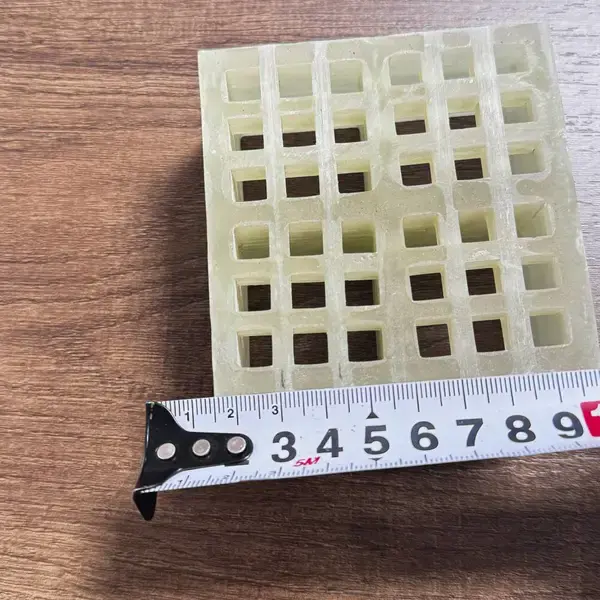
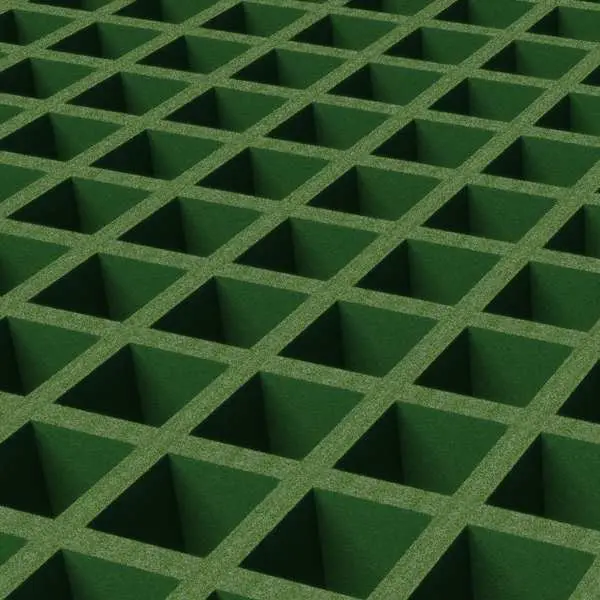
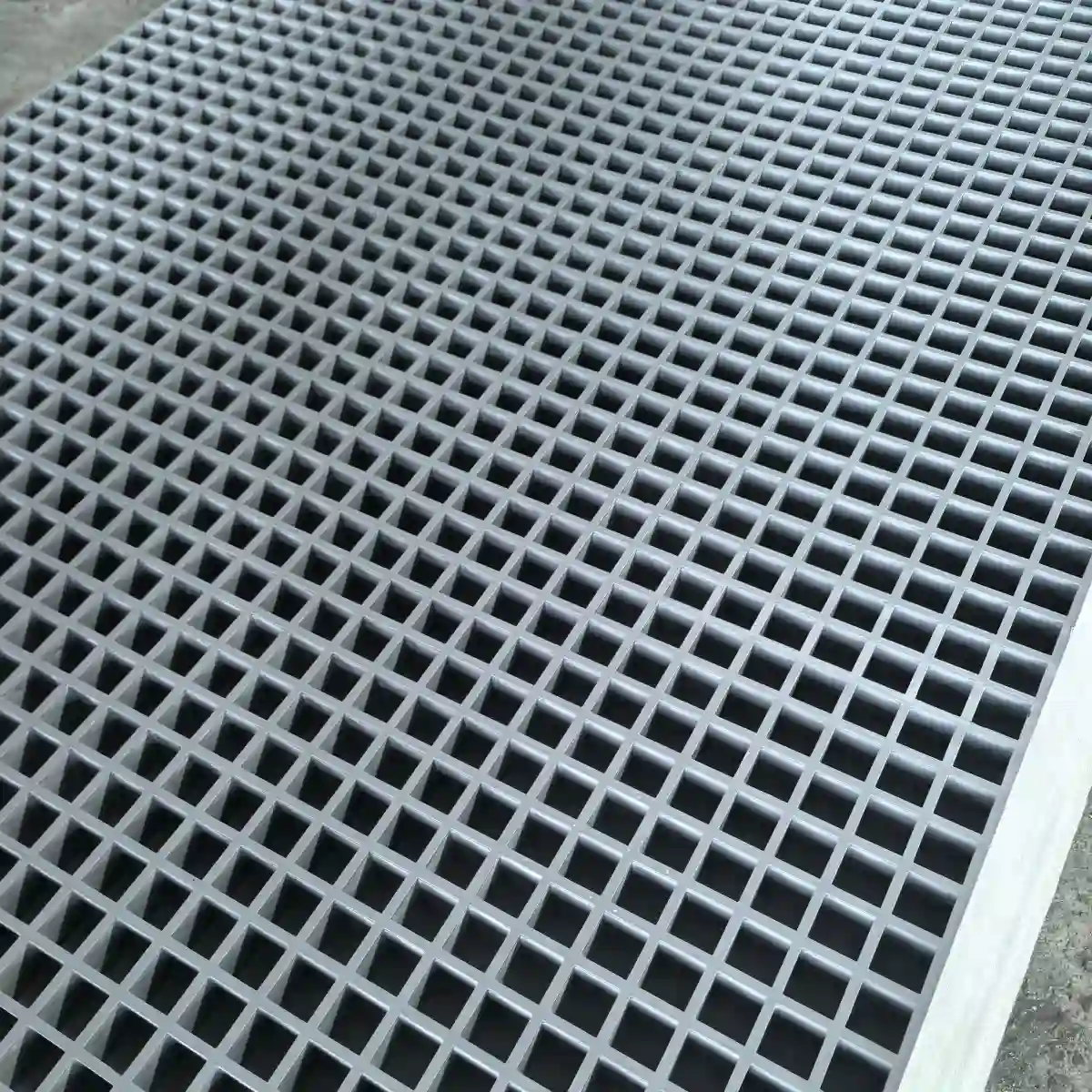
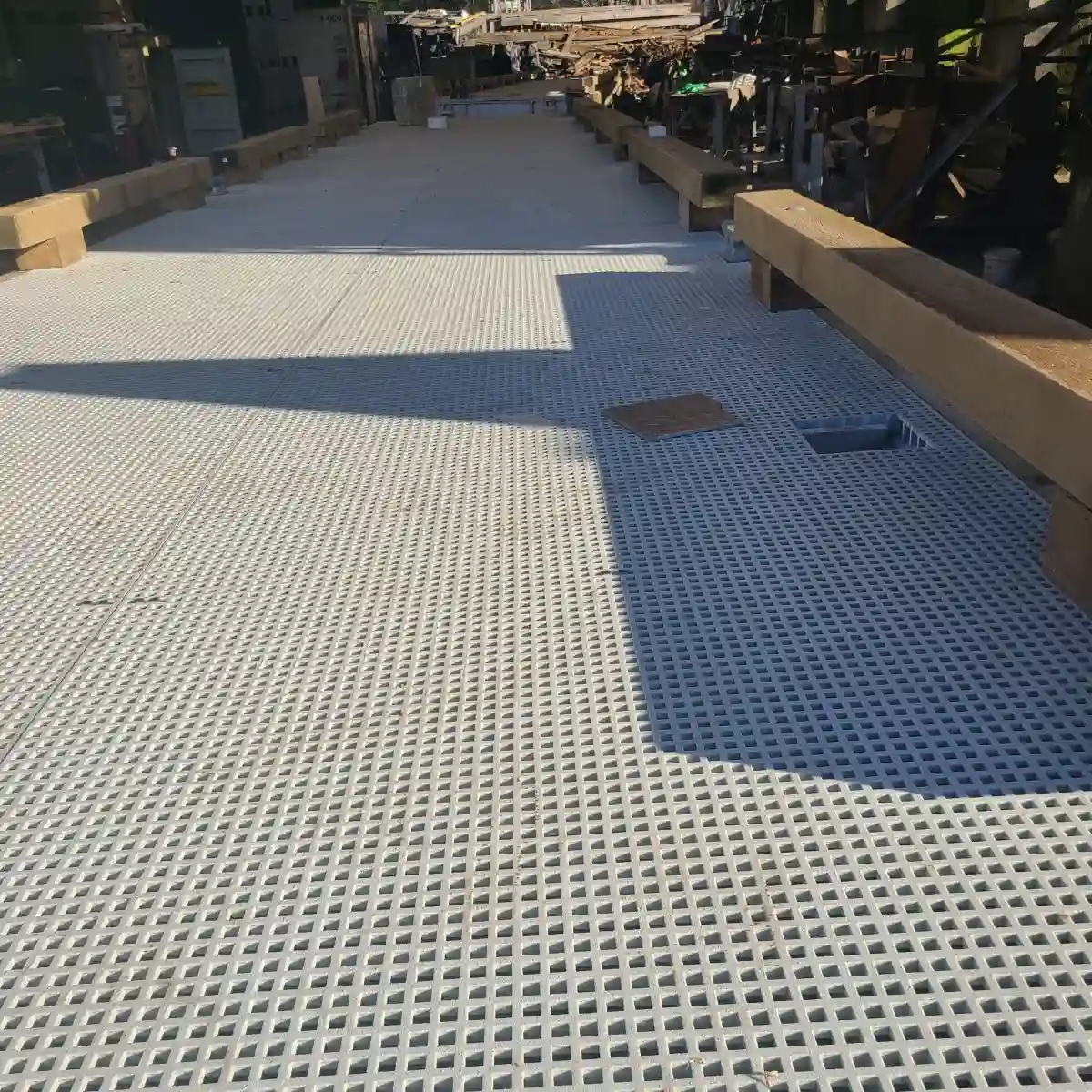
Molded FRP Grating: Molded grating is produced by layering resin and glass fibers in a mold and pressing them under heat. This process creates a bidirectional strength profile and is generally more affordable. Standard molded grating prices range from $15 to $22 per square foot for polyester resin versions. The frp grating panel price for molded grating benefits from efficient mass production, making it the go-to choice for general industrial flooring with moderate load requirements.
Pultruded FRP Grating: Pultruded grating is manufactured by pulling continuous glass fibers through a resin bath and then through a heated die. This creates a unidirectional strength profile — stronger along the length of the panel — and allows for longer unsupported spans. Pultruded grating prices range from $22 to $30 per square foot for standard polyester versions. The premium over molded grating reflects the higher glass content and more precise manufacturing process.
Vinyl Ester FRP Grating: Both molded and pultruded gratings are available with vinyl ester resin for enhanced chemical resistance. Vinyl ester versions cost 30–50% more than their polyester equivalents. A molded vinyl ester panel ranges from $22 to $32 per square foot, while pultruded vinyl ester runs $30 to $42 per square foot.
Heavy-Duty FRP Grating: Designed for extreme loads and demanding industrial environments, heavy-duty FRP grating uses thicker bars, higher glass content, and often specialized resin formulations. Prices range from $35 to $50 per square foot. The heavy duty frp grating price reflects the additional material and engineering required for these applications.
How to Calculate FRP Grating Cost Per Square Foot for Your Project
Calculating the FRP grating cost per square foot for your specific project involves more than just multiplying the panel price by your floor area. Here is a step-by-step approach to get an accurate estimate:
Step 1: Determine Your Requirements
Identify the load rating, span, chemical exposure, and fire rating your application demands. These specifications will narrow down the type of FRP grating you need and its associated price range.
Step 2: Calculate Net Coverage Area
Measure the total floor area requiring grating. Subtract areas for equipment foundations, columns, and obstructions. Remember that FRP grating panels typically come in 4 ft × 8 ft (32 sq ft) or 4 ft × 12 ft (48 sq ft) sizes.
Step 3: Account for Waste and Cutouts
Add 5–10% for waste due to cutting and fitting around obstacles. Complex layouts with many cutouts require higher waste factors.
Step 4: Add Support Structure Costs
FRP grating requires support beams (usually steel or fiberglass) every 18–24 inches for molded grating or 24–36 inches for pultruded grating. Support costs typically add $5–$12 per square foot to the total.
Step 5: Include Fasteners and Clips
FRP grating mounting clips, hold-down brackets, and fasteners add approximately $1–$3 per square foot.
Example Calculation: For a 500 sq ft walkway using standard molded polyester grating at $18/sq ft: Material = $9,000; Waste (8%) = $720; Support structure = $3,500; Fasteners = $750. Estimated total material cost = $13,970 or approximately $28 per square foot installed.
Always obtain multiple quotes and compare FRP grating cost estimates that include all line items for accurate budget planning.
Molded vs Pultruded FRP Grating — Price Differences Explained
One of the most common questions about FRP grating pricing is why prices vary so significantly between molded and pultruded types. The answer lies in fundamentally different manufacturing processes and material compositions.
Molded FRP Grating: Manufactured by placing alternating layers of continuous strand mat and resin in a mold, then compressing and curing under heat. This process creates a grating with equal strength in both directions (bidirectional). Molded grating is typically 1 inch, 1.5 inches, or 2 inches thick with a standard square mesh pattern. The manufacturing process is highly automatable, which keeps production costs lower. Molded grating prices range from $15 to $32 per square foot, depending on resin type and surface finish.
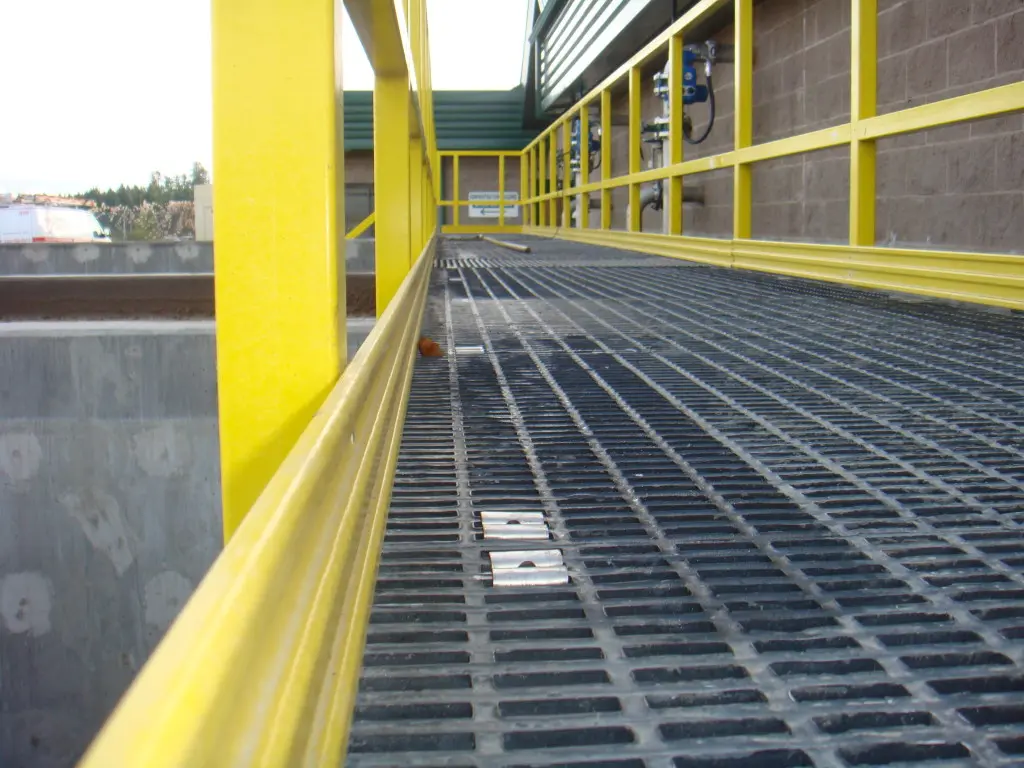
Pultruded FRP Grating: Manufactured by pulling continuous glass fiber rovings and mat through a resin bath and then through a heated die. This produces a grating with high strength in the longitudinal direction and lower strength transversely. Pultruded grating is available in various bar profiles (I-beam, T-beam, or rectangular) and offers longer span capabilities. The more complex manufacturing process and higher glass content result in higher prices, ranging from $22 to $42 per square foot.
Price Difference Summary:
| Factor | Molded | Pultruded |
|---|---|---|
| Glass Content | 30–40% | 60–70% |
| Strength Profile | Bidirectional | Unidirectional (longitudinal) |
| Maximum Span | 24–30 inches | 36–48 inches |
| Standard Thickness | 1–2 inches | 1–2 inches |
| Price Premium | Baseline | +30–50% over molded |
For applications where bidirectional strength is sufficient and spans are moderate, molded grating offers the best value. For projects requiring long unsupported spans or directional load-bearing, the higher FRP grating price of pultruded grating is justified by its superior mechanical performance.
FRP Grating vs Steel vs Aluminum — Price Comparison
Comparing FRP grating against traditional materials is essential for procurement decisions. While the upfront FRP grating price may be higher than steel or aluminum, the total cost of ownership tells a different story. This section provides a direct FRP grating price vs steel grating price and aluminum comparison to help you make an informed choice.
The table below summarizes the key price and performance differences:
| Material | Price per sq ft (material only) | Weight (lbs/sq ft) | Corrosion Resistance | Lifespan (years) |
|---|---|---|---|---|
| Molded FRP Grating | $15 – $32 | 3–5 | Excellent | 15–25 |
| Pultruded FRP Grating | $22 – $42 | 4–6 | Excellent | 20–30 |
| Steel Grating (galvanized) | $8 – $18 | 12–18 | Moderate | 5–10 |
| Aluminum Grating | $20 – $35 | 4–6 | Good | 10–20 |
While steel grating has the lowest initial industrial floor grating price, its total cost often surpasses FRP over a 20-year period when factoring in painting, galvanizing, and replacement due to corrosion. In harsh chemical environments, steel may require replacement every 3–5 years, while FRP grating can last 20+ years with minimal maintenance.
Aluminum grating offers a middle ground — it is lightweight and corrosion-resistant but not suitable for highly acidic or alkaline environments. The aluminum grating price overlaps significantly with FRP, but aluminum lacks the chemical resistance that FRP provides in demanding industrial settings.
FRP Grating Price vs Steel Grating Price
The FRP grating price vs steel grating price comparison is one of the most important evaluations for industrial buyers. Steel grating — typically galvanized or painted — costs $8 to $18 per square foot for material only, making it significantly cheaper upfront than FRP grating at $15 to $42 per square foot.
However, the true cost comparison must include maintenance and replacement costs over the project lifespan. In corrosive environments such as chemical plants, wastewater treatment facilities, and offshore platforms, steel grating requires regular painting or hot-dip galvanizing to prevent rust. These maintenance cycles typically occur every 2–3 years, costing $3–$8 per square foot per cycle. Over a 20-year period, maintenance costs can easily double the total cost of steel grating.
Additionally, steel grating is 3–4 times heavier than FRP grating, resulting in higher shipping costs and requiring heavier support structures. The installation labor cost for steel grating is typically 15–25% lower than FRP due to its familiarity among contractors, but this advantage is often offset by the need for cranes or lifting equipment due to its weight.
Total Cost of Ownership Comparison (20-year period, 1,000 sq ft):
| Cost Item | Steel Grating | FRP Grating |
|---|---|---|
| Initial Material | $12,000 | $22,000 |
| Installation | $6,000 | $7,000 |
| Maintenance (3 cycles) | $15,000 | $500 |
| Replacement (once) | $12,000 | $0 |
| Total 20-Year Cost | $45,000 | $29,500 |
This analysis shows that while steel has a lower initial industrial floor grating price, FRP grating becomes more cost-effective in corrosive environments over the full lifecycle.
Why Is FRP Grating More Expensive Than Aluminum Grating?
Many buyers wonder: why is FRP grating more expensive than aluminum grating? At first glance, the price ranges overlap significantly — aluminum grating typically costs $20 to $35 per square foot, while FRP grating ranges from $15 to $42 per square foot. However, the value proposition differs substantially.
Aluminum grating offers good corrosion resistance in atmospheric and freshwater environments. It is lightweight, non-sparking, and requires minimal maintenance. However, aluminum has significant limitations:
- Chemical Sensitivity: Aluminum reacts poorly with acidic, alkaline, and chloride environments. In chemical plants or near saltwater, aluminum grating can corrode rapidly.
- Strength: Aluminum grating has lower strength-to-weight ratio compared to pultruded FRP grating, limiting its load-bearing capacity and span capabilities.
- Thermal Conductivity: Aluminum conducts heat effectively, which can be a disadvantage in high-temperature areas or for electrical insulation.
FRP grating, by contrast, is chemically inert across a wide pH range (1–13 with vinyl ester resin), electrically non-conductive, and thermally insulating. These properties justify the FRP grating price premium in demanding industrial applications where aluminum would fail prematurely.
For general-purpose applications where chemical exposure is minimal, aluminum grating can be a cost-effective choice. But for harsh industrial environments, the higher upfront fiberglass grating panels price of FRP delivers better long-term value.
Is FRP Grating Expensive Compared to Other Industrial Flooring Options?
The question is FRP grating expensive compared to other industrial flooring options depends entirely on how you measure cost. Looking purely at material price per square foot, FRP grating does sit in the mid-to-upper range compared to common alternatives:
| Flooring Material | Price per sq ft (material) | Lifespan | Corrosion Resistance |
|---|---|---|---|
| Concrete with coating | $5 – $15 | 10–20 years | Moderate |
| Steel grating | $8 – $18 | 5–15 years | Low–Moderate |
| Aluminum grating | $20 – $35 | 10–20 years | Good |
| Molded FRP grating | $15 – $32 | 15–25 years | Excellent |
| Pultruded FRP grating | $22 – $42 | 20–30 years | Excellent |
| Stainless steel grating | $40 – $80 | 15–25 years | Excellent |
When compared to stainless steel grating — which offers similar corrosion resistance — FRP grating is actually 40–60% less expensive. When compared to coated steel, FRP has a higher upfront cost but dramatically lower maintenance requirements. The average price of FRP grating for industrial flooring is competitive when you factor in its weight savings (reducing support structure costs), ease of installation, and elimination of corrosion-related maintenance.
For many industrial buyers, the key metric is not the initial FRP grating price but the cost per year of service. By this measure, FRP grating offers one of the best values in industrial flooring, particularly in aggressive environments where alternative materials require frequent replacement.
FRP Grating Price List — What to Expect in 2025
An FRP grating price list provides a standardized reference for buyers to compare products and budget for their projects. For 2025, the market shows relatively stable pricing after two years of raw material normalization. Here is what you can expect across standard product categories:
Typical Manufacturer Price List (2025, per square foot):
| Product | Thickness | Resin | Price Range |
|---|---|---|---|
| Molded Grating, 1" mesh | 1 in (25 mm) | Polyester | $15 – $19 |
| Molded Grating, 1.5" mesh | 1.5 in (38 mm) | Polyester | $18 – $22 |
| Molded Grating with grit | 1.5 in (38 mm) | Polyester | $20 – $26 |
| Molded Grating, corrosion grade | 1.5 in (38 mm) | Vinyl Ester | $26 – $32 |
| Pultruded Grating, I-bar 1" | 1 in (25 mm) | Polyester | $22 – $26 |
| Pultruded Grating, I-bar 1.5" | 1.5 in (38 mm) | Polyester | $26 – $30 |
| Pultruded Grating, I-bar 2" | 2 in (50 mm) | Polyester | $30 – $36 |
| Pultruded Grating, T-bar | 1.5 in (38 mm) | Vinyl Ester | $34 – $42 |
When reviewing an FRP grating price list, pay attention to whether prices are FOB (freight on board) from the manufacturer or delivered to your site. Shipping costs for FRP grating are lower than steel due to its lighter weight, but long-distance freight can still add $1–$3 per square foot depending on distance and order size.
Most manufacturers update their price lists quarterly. The FRP grating price list 2025 reflects stable raw material costs, though geopolitical factors affecting resin supply chains could introduce adjustments mid-year.
How to Get a FRP Grating Price List from Manufacturers
Obtaining an FRP grating price list from manufacturers is a straightforward process, but knowing how to request and interpret quotes can save you significant money. Here is how to approach it:
Step 1: Identify Qualified Manufacturers
Start by researching reputable FRP grating manufacturers. Look for companies with ISO 9001 certification, industry-specific approvals (such as ABS for marine applications or USDA for food processing), and a track record of supplying to your industry. The top FRP grating manufacturers typically offer the most comprehensive product ranges and technical support.
Step 2: Prepare Your Specifications
Before requesting a price list, document your project requirements: type (molded or pultruded), resin (polyester or vinyl ester), panel dimensions, thickness, load rating, surface finish, and quantity. The more specific you are, the more accurate the quote will be.
Step 3: Request Formal Quotes
Contact at least 3–5 manufacturers or distributors. Provide your specifications and ask for a detailed FRP grating price list that includes unit prices, bulk discounts, lead times, and shipping terms. Request pricing for both standard catalog items and custom options if needed.
Step 4: Compare on an Apples-to-Apples Basis
Ensure each quote covers the same specifications. A lower FRP grating price may reflect thinner bars, lower glass content, or polyester resin where you specified vinyl ester. Create a comparison spreadsheet that normalizes all variables.
Many manufacturers also offer online configurators where you can select parameters and receive instant pricing. These tools are useful for initial budgeting but should be supplemented with formal quotes for final procurement decisions.
FRP Grating Panel Price Breakdown
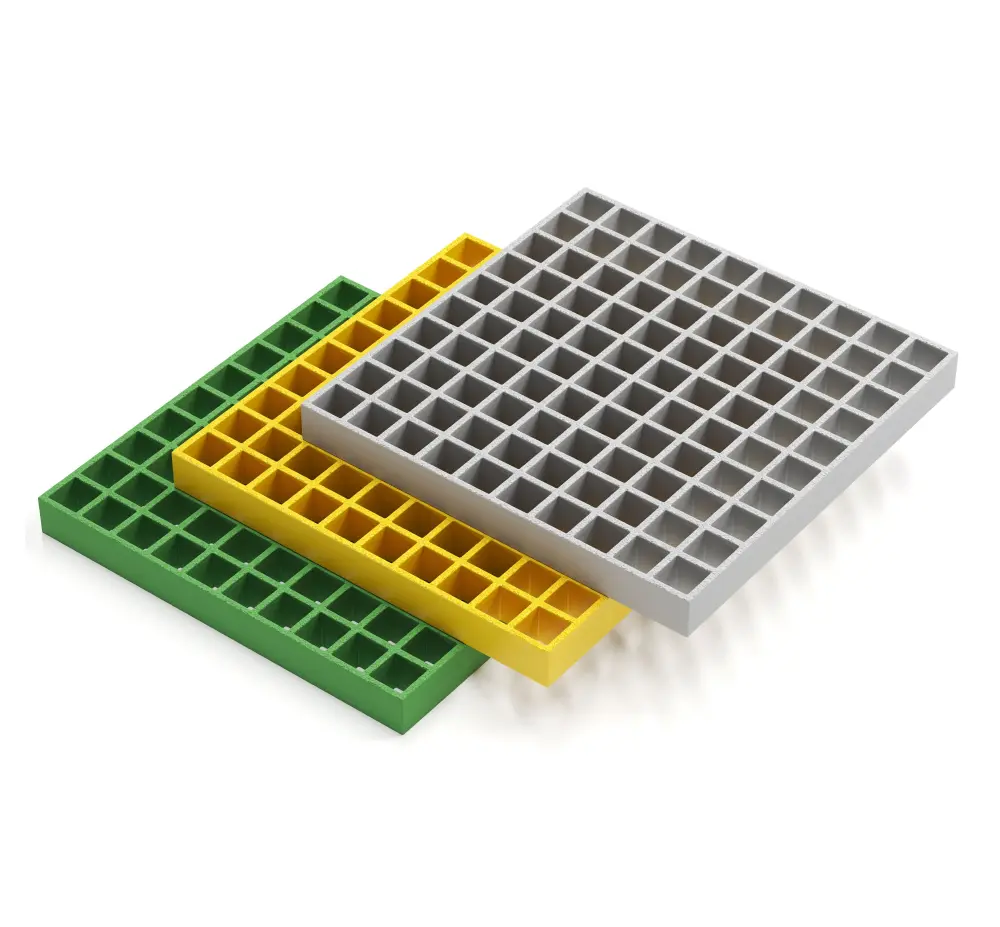
Understanding the FRP grating panel price breakdown helps you see exactly where your money goes. A standard FRP grating panel — typically 4 ft × 8 ft or 4 ft × 12 ft — includes several cost components:
Standard Panel Pricing Components:
- Base Panel Cost (60–70% of total): This covers the resin, glass fiber, and manufacturing labor. The base cost is driven by panel thickness, resin type, and manufacturing method.
- Surface Treatment (10–15%): Gritted surfaces for slip resistance add $2–$5 per square foot. This is essential for wet or oily environments where safety is a priority.
- Cutting and Fabrication (5–10%): Custom cuts, holes, notches, and beveled edges add fabrication charges. Pre-fabricated panels reduce on-site labor but increase the panel price.
- Packaging and Handling (3–5%): FRP panels are wrapped in protective materials to prevent damage during transit. Full truckload orders have lower per-unit packaging costs.
- Quality Testing (2–5%): Manufacturers may charge for load testing certification, material certifications, or third-party inspection reports.
Example Panel Price Breakdown (Standard Molded 4 ft × 8 ft, 1.5 in, Polyester):
- Base panel: $640 (32 sq ft × $20/sq ft)
- Gritted surface: $96 (32 sq ft × $3/sq ft)
- Standard packaging: $25
- Total per panel: $761
The FRP grating panel price decreases significantly with volume. A single panel may cost $25–$30 per square foot, while a full truckload order (200+ panels) can reduce the price to $15–$18 per square foot for standard configurations.
How to Get the Best FRP Grating Price for Bulk Orders
Buying in bulk is the most effective way to reduce your FRP grating price. Manufacturers offer tiered pricing based on order volume, and understanding these discount structures can result in significant savings for large projects.
Typical Volume Discount Tiers (per square foot):
| Order Quantity | Discount from List Price | Effective Price (example) |
|---|---|---|
| 1–10 panels (32–320 sq ft) | 0% (list price) | $22.00/sq ft |
| 11–50 panels (352–1,600 sq ft) | 5–10% | $19.80–$20.90/sq ft |
| 51–200 panels (1,632–6,400 sq ft) | 12–18% | $18.04–$19.36/sq ft |
| 200+ panels (6,400+ sq ft) | 20–30% | $15.40–$17.60/sq ft |
To get the best FRP grating price for bulk orders, consolidate your purchasing. If your organization has multiple projects requiring FRP grating, consider ordering all material in a single shipment rather than piecemeal. This allows you to reach higher discount tiers and reduces per-order administrative costs.
Another strategy is to partner with other buyers in your industry or region to combine orders. Some distributors offer group purchasing programs that aggregate demand across multiple customers to achieve bulk pricing.
Remember that bulk orders also benefit from reduced per-unit shipping costs. A full truckload (FTL) shipment is significantly more cost-effective per square foot than less-than-truckload (LTL) shipping, which is charged at higher rates for smaller quantities.
Are FRP Grating Prices Negotiable for Bulk Orders?
A common question among procurement professionals is: are FRP grating prices negotiable for bulk orders? The short answer is yes — FRP grating prices are often negotiable, especially for large-volume purchases, long-term contracts, or strategic partnerships.
Manufacturers are typically willing to negotiate on the following levers:
- Volume Price Breaks: Even beyond published discount tiers, manufacturers may offer additional 3–8% discounts for large, firm orders with no cancellation risk.
- Annual Contracts: Committing to a minimum annual volume across multiple orders can secure preferential pricing. Many manufacturers offer 5–15% discounts for annual supply agreements.
- Payment Terms: Offering faster payment (net 15 instead of net 30 or net 60) can sometimes unlock small discounts of 1–2%.
- Standardization: If you standardize on a single panel size, thickness, and resin type across all your projects, manufacturers can optimize their production runs and pass savings to you.
- Repeat Business: Established relationships with manufacturers lead to better FRP grating price over time. Suppliers value predictable, recurring customers.
When negotiating, come prepared with competitive quotes from other manufacturers. Most suppliers will match or beat a competitor pricing on comparable specifications, especially for orders exceeding $25,000. Remember that the lowest FRP grating price is not always the best value — consider lead times, quality certifications, technical support, and warranty terms as part of your negotiation.
How to Get a Quote for FRP Grating
Knowing how to get a quote for FRP grating efficiently can save you weeks of procurement time. Here is a structured approach to requesting and evaluating quotations:
What to Include in Your RFQ (Request for Quote):
- Project Details: Total square footage, panel dimensions, and layout complexity.
- Material Specifications: Type (molded or pultruded), resin system (polyester, vinyl ester, or epoxy), thickness, mesh size, and color if important.
- Performance Requirements: Load rating (e.g., 100 psf, 150 psf, or 200 psf), deflection limit (typically L/100 or L/150), and applicable standards (ASTM E84, ASTM D3841, etc.).
- Surface Finish: Standard smooth, gritted, or concave surface options.
- Accessories: Fasteners, clips, hold-down brackets, and trim pieces.
- Delivery Requirements: Preferred timeline, delivery location, and shipping method.
How to Evaluate Quotes: When you receive quotes, do not simply compare bottom-line prices. Verify that each quote covers identical specifications. A lower FRP grating price may reflect different assumptions about resin type, glass content, or panel thickness. Create a checklist and ensure every line item matches.
Request samples when possible — particularly if you are comparing molded vs pultruded grating or different resin systems. A physical sample lets you verify quality, color consistency, and surface finish before committing to a large order.
Most reputable manufacturers respond to RFQs within 24–48 hours. For urgent projects, indicate your timeline upfront so suppliers can prioritize your request. The best FRP grating price quote combines competitive pricing with reliable lead times and quality assurance.
Where to Buy FRP Grating at the Best Price
When it comes to where to buy FRP grating at the best price, you have several options, each with distinct advantages:
Direct from Manufacturer: Buying directly from FRP grating manufacturers typically offers the lowest FRP grating price because there is no distributor markup. However, manufacturers may have minimum order quantities (MOQs) of 50–100 panels. Direct purchasing works best for large projects where you can meet MOQ requirements.
Authorized Distributors: Distributors stock products from multiple manufacturers and can often provide competitive pricing on smaller orders. They offer the advantage of inventory availability, shorter lead times, and the ability to mix products from different manufacturers in a single shipment. Distributors typically add 10–20% markup but can offset this through volume discounts from manufacturers.
Online Marketplaces: Some manufacturers and distributors now offer online ordering with transparent pricing. These platforms are useful for small orders and quick price comparisons. However, custom specifications may not be easily configured through standard online forms.
Regional vs. International Suppliers:
- Local/Regional Suppliers: Lower shipping costs, faster delivery, easier communication, and better after-sales support. Ideal for projects under $50,000.
- International Manufacturers: Often offer lower base FRP grating price (particularly from Asian markets), but factor in longer lead times, higher shipping costs, customs duties, and potential quality assurance challenges.
To find the best price, request quotes from 3–5 suppliers across different channels. Weigh not only the unit price but also shipping costs, lead times, warranty terms, and the supplier technical expertise. The goal is not the absolute lowest FRP grating price, but the best overall value for your specific project requirements.
FRP Grating Installation Cost — What to Budget
Beyond the material cost, the FRP grating installation cost is a significant component of any project budget. Understanding these costs upfront prevents budget overruns and helps you make informed decisions about DIY vs professional installation.
Installation Cost Components:
- Support Structure: FRP grating requires a steel or FRP support frame. Steel support beams (I-beams, channels, or angles) typically cost $4–$10 per square foot installed. FRP support structures cost more ($8–$15 per square foot) but eliminate corrosion concerns completely.
- Cutting and Fitting: FRP grating can be cut on-site using standard woodworking tools (circular saw with carbide blade, jigsaw, or abrasive cut-off saw). Labor for cutting and fitting typically runs $2–$5 per square foot depending on layout complexity.
- Fastening: FRP grating clips, hold-down brackets, and screws add $1–$3 per square foot. Stainless steel fasteners are recommended for corrosive environments and cost more than galvanized options.
- Surface Preparation: If the grating requires field-applied grit coating for slip resistance, this adds $2–$4 per square foot.
The total FRP grating installation cost typically ranges from $8 to $20 per square foot for professional installation, depending on project complexity, accessibility, and regional labor rates. For a 1,000 sq ft project, installation labor and support structure can add $10,000–$20,000 to the total budget.
DIY installation is feasible for smaller projects if you have basic construction skills. FRP grating is lightweight (3–6 lbs per sq ft) and can be cut with standard tools, making it more DIY-friendly than steel grating. However, for large projects or complex layouts, professional installation is recommended to ensure proper support spacing, load distribution, and safety compliance.
How to Calculate Total Project Cost for FRP Grating
To create an accurate budget for your FRP grating project, you need to calculate the total project cost, not just the material price. Here is a comprehensive framework for estimating the full cost:
Total Project Cost Calculator:
| Cost Category | Cost per sq ft | Notes |
|---|---|---|
| FRP Grating Material | $15 – $42 | Depends on type, resin, thickness |
| Support Structure | $4 – $15 | Steel or FRP supports |
| Cutting & Fabrication | $2 – $5 | On-site or pre-fabricated |
| Fasteners & Clips | $1 – $3 | Stainless steel or galvanized |
| Installation Labor | $5 – $12 | Professional installation |
| Shipping & Handling | $1 – $3 | Distance-dependent |
| Contingency (10%) | 10% of subtotal | For unexpected costs |
Example: 2,000 sq ft Chemical Plant Platform
- Material: Vinyl ester molded grating with grit surface — 2,000 sq ft × $28/sq ft = $56,000
- Support Structure: Steel beams, pre-galvanized — 2,000 sq ft × $8/sq ft = $16,000
- Installation: Professional crew — 2,000 sq ft × $9/sq ft = $18,000
- Fasteners: Stainless steel clips — 2,000 sq ft × $2/sq ft = $4,000
- Shipping: 2,000 sq ft × $1.50/sq ft = $3,000
- Contingency (10%): $9,700
- Total Estimated Project Cost: ~$106,700
This works out to approximately $53 per square foot installed. While this may seem high, remember that the FRP grating cost estimate for a complete installation includes all support infrastructure, labor, and contingencies. For a simpler project using standard polyester molded grating, the total installed cost could be as low as $30–$35 per square foot.
Always request line-item quotes from contractors and suppliers, and build in a 10–15% contingency for unforeseen site conditions or scope changes.
Conclusion
Navigating the world of FRP grating pricing requires understanding multiple variables — from resin types and manufacturing methods to volume discounts and installation costs. This guide has covered the essential information you need to make informed procurement decisions.
- The FRP grating price per square foot ranges from $15 to $50 depending on type, resin, thickness, and surface finish. Molded polyester grating is the most economical option at $15–$22/sq ft, while heavy-duty vinyl ester pultruded grating commands $35–$50/sq ft.
- When comparing FRP grating price vs steel grating price, consider the total cost of ownership. FRP grating offers corrosion resistance and low maintenance that often make it more cost-effective over a 20-year lifecycle, despite higher upfront costs.
- Bulk orders of 200+ panels can reduce pricing by 20–30% compared to small orders. Negotiating annual contracts and payment terms can yield additional savings.
- The best FRP grating price list includes detailed specifications so you can compare quotes on an apples-to-apples basis. Always verify resin type, glass content, thickness, and surface finish when evaluating quotes.
- Total installed cost — including support structure, fasteners, labor, and contingencies — typically ranges from $30 to $65 per square foot depending on project complexity.
Whether you are outfitting a chemical plant, building industrial walkways, or replacing corroded flooring, FRP grating offers exceptional value when you account for its durability, safety benefits, and minimal maintenance requirements. Use the pricing information and calculation methods in this guide to budget accurately and negotiate effectively with suppliers.
Ready to get started? Contact multiple manufacturers with detailed specifications, compare quotes carefully, and choose the solution that offers the best balance of performance and FRP grating price for your specific application.