Introduction
If you are planning an industrial flooring project, one of the first questions you will ask is: what is the FRP grating price per square foot? Fiberglass reinforced plastic (FRP) grating is a popular choice for platforms, walkways, and catwalks in chemical plants, wastewater treatment facilities, and offshore rigs because of its corrosion resistance, lightweight construction, and long service life. However, costs vary widely depending on the type, resin, dimensions, and quantity you need.
This comprehensive cost guide breaks down the FRP grating price per square foot for standard molded, pultruded, and heavy duty options. We will compare FRP vs steel grating pricing, explain the key factors that affect cost, show you how to calculate your project budget, and share where to find the best prices. By the end, you will have a clear estimate of what to expect for your fiberglass grating costs and how to save on your next purchase.
What Is FRP Grating?
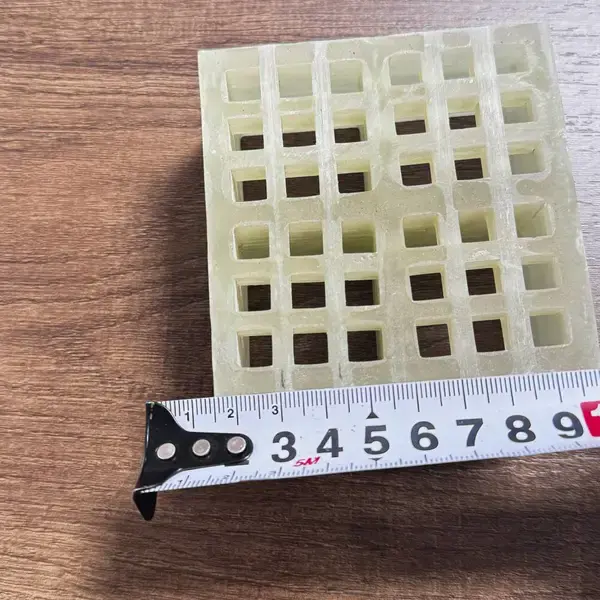
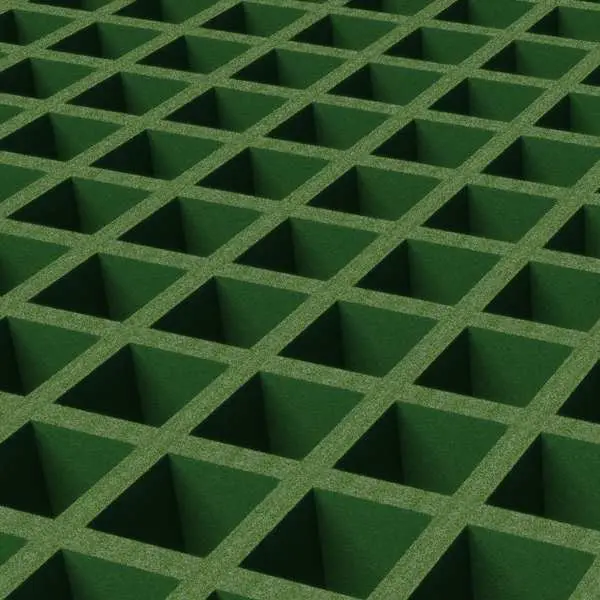
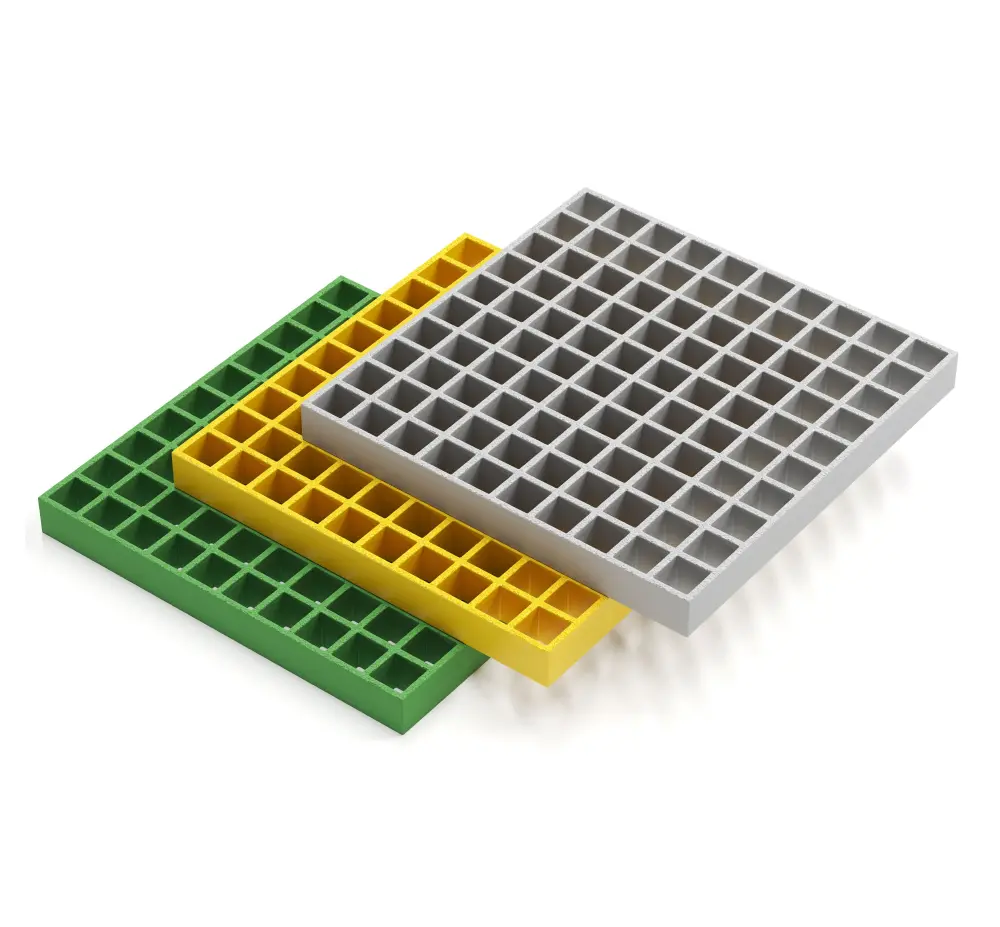
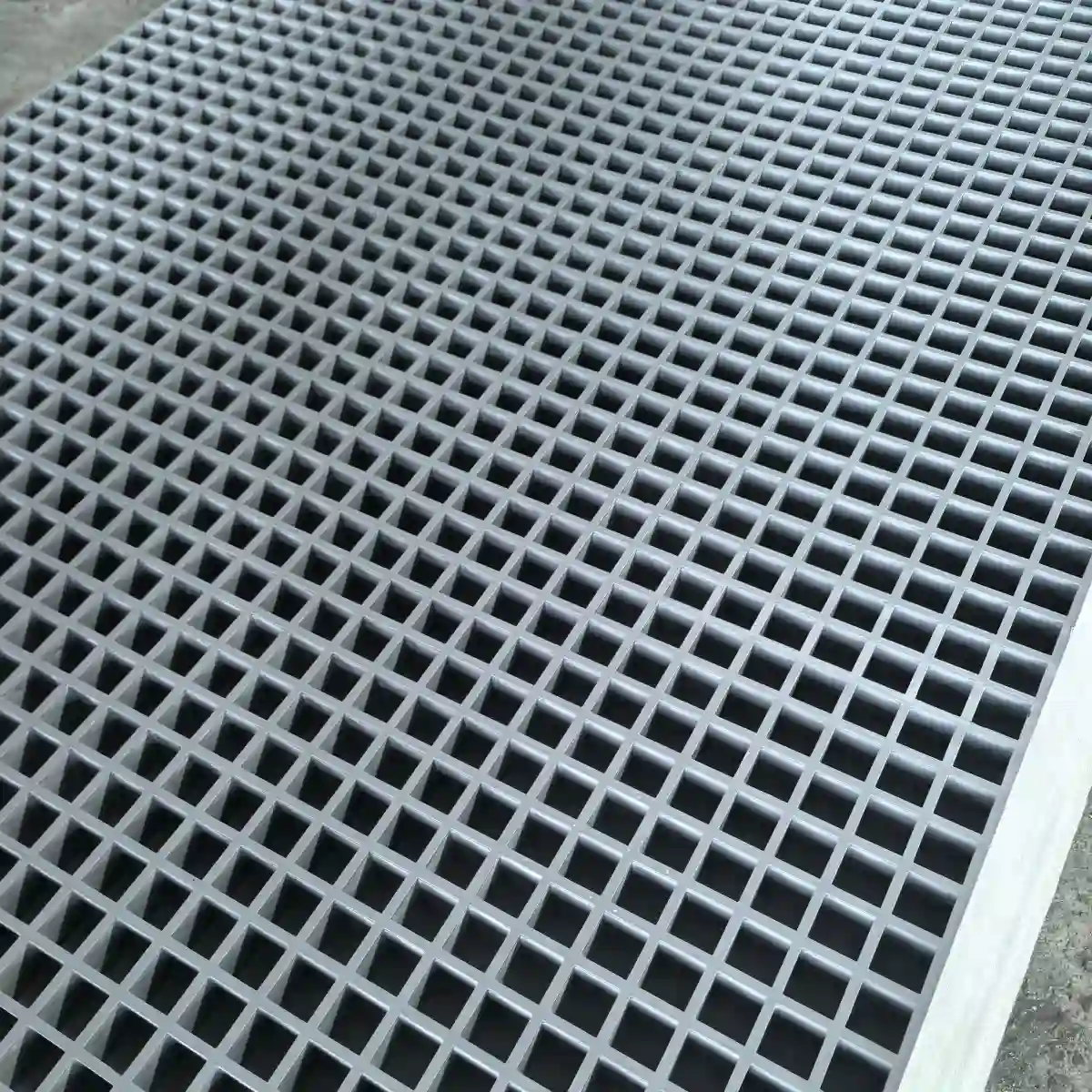
FRP grating — also called fiberglass grating or glass-reinforced plastic grating — is a composite material made from fiberglass strands embedded in a resin matrix. It is manufactured in two primary styles: molded FRP grating and pultruded FRP grating. Molded grating is created by layering fiberglass mat and resin in a mold under heat and pressure, resulting in a one-piece panel with integral mesh patterns. Pultruded grating is made by pulling continuous fiberglass rovings through a resin bath and then through a heated die, producing high-strength I-beam shaped bars that are assembled into panels.
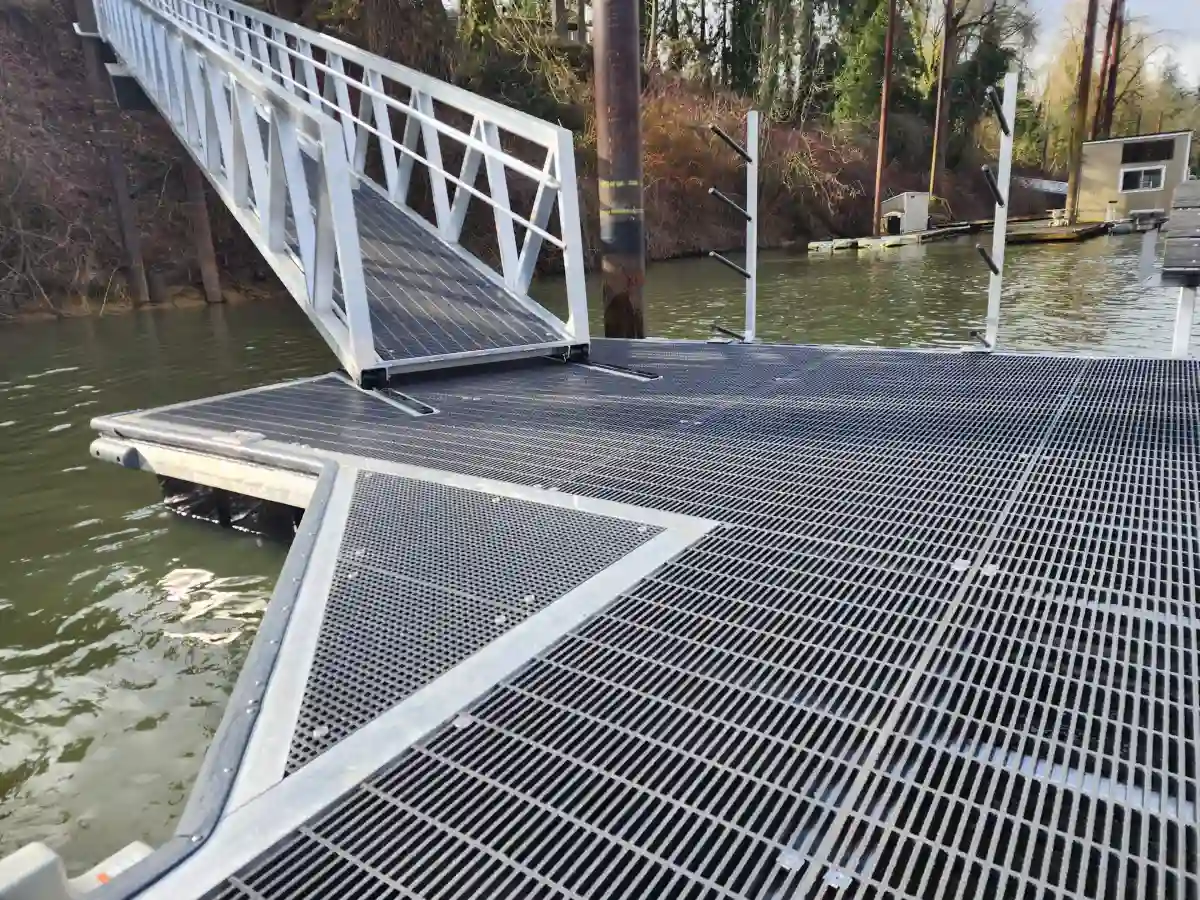
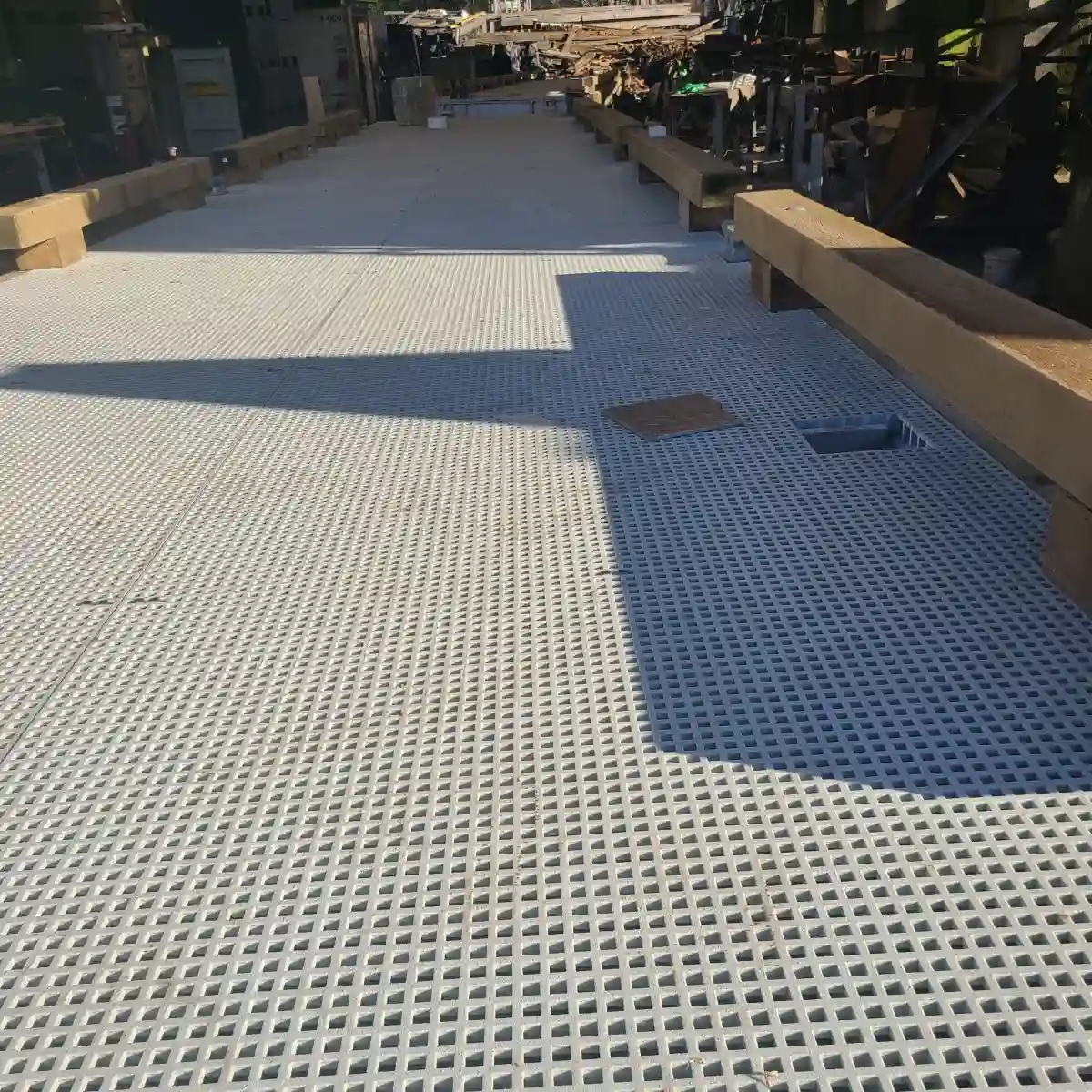
The material is widely used in corrosive environments where traditional steel would rust or degrade quickly. Common applications include chemical plant flooring, offshore platform walkways, water treatment plant catwalks, food processing facility platforms, and electrical substation grating. Because FRP is non-conductive, non-sparking, and resistant to a wide range of chemicals, it often outperforms metal alternatives in specialized settings.
When evaluating FRP grating price per square foot, it helps to understand the base material costs. The raw materials — fiberglass, resin, and additives — typically account for 40% to 60% of the final panel price. The remainder comes from manufacturing complexity, quality control, and distribution. Depending on the specifications, the FRP grating cost per square foot can range significantly, which we will detail in the next section.
Average FRP Grating Price Per Square Foot
Standard Molded FRP Grating Prices
Molded FRP grating is the most common and generally the most affordable option. Prices for standard molded grating typically range from $15 to $30 per square foot, depending on the resin type and panel thickness. A standard 1-inch thick polyester resin molded panel (4 ft × 8 ft) usually costs between $18 and $22 per square foot. Thinner 1-inch panels with standard mesh patterns are on the lower end, while 1.5-inch or 2-inch thick panels sit at the higher end. For industrial use in demanding environments, the per-square-foot cost tends to increase as load-bearing requirements go up.
Pultruded FRP Grating Prices
Pultruded FRP grating offers higher strength-to-weight ratios and longer span capabilities than molded grating. This makes it ideal for heavy-load applications such as vehicle access covers, equipment platforms, and trench covers. Pultruded grating prices typically range from $25 to $45 per square foot. A standard pultruded panel with 1.5-inch I-beam bars and polyester resin costs approximately $28 to $35 per square foot. Panels with deeper bars (2-inch or 2.5-inch) or premium resins can exceed $40 per square foot. When requesting a FRP grating price list, be sure to specify whether you need molded or pultruded — the difference can be significant.
Heavy Duty FRP Grating Prices
For applications requiring maximum load capacity and impact resistance, heavy duty FRP grating is the solution. These panels use thicker bars, denser mesh patterns, and often incorporate vinyl ester or phenolic resins for enhanced chemical resistance. Heavy duty grating prices range from $35 to $60 per square foot. Specialized configurations — such as those with silicon carbide grit surface for anti-slip protection or fire-retardant additives — can push the FRP grating panel price above $50 per square foot.
The table below summarizes the typical pricing ranges you can expect:
| Grating Type | Resin Type | Price Range Per Sq Ft | Typical Applications |
|---|---|---|---|
| Molded, 1" Polyester | Polyester | $15 – $22 | Walkways, light platforms |
| Molded, 1.5" Polyester | Polyester | $20 – $28 | Industrial catwalks, mezzanines |
| Molded, Vinyl Ester | Vinyl Ester | $25 – $35 | Chemical plants, corrosive environments |
| Pultruded, 1.5" I-Bar | Polyester | $28 – $35 | Heavy equipment platforms |
| Pultruded, 2" I-Bar | Vinyl Ester | $35 – $45 | Vehicle access, trench covers |
| Heavy Duty Molded | Vinyl Ester / Phenolic | $35 – $60 | High-impact, fire-rated areas |
These ranges reflect typical market rates for standard panel sizes. Custom cuts, special colors, and add-on features will affect the final FRP grating cost estimate for your specific project.
Factors That Affect FRP Grating Price Per Square Foot
Several key variables influence the final cost of FRP grating. Understanding these factors will help you choose the most cost-effective configuration for your application without overpaying for unnecessary features. Here is what drives the FRP grating price per square foot.
Resin Type: Polyester vs Vinyl Ester vs Phenolic
The resin system is the single biggest cost driver. Polyester resin is the standard and most economical choice, suitable for general industrial environments with mild chemical exposure. Vinyl ester resin costs 30% to 50% more than polyester but provides superior corrosion resistance in acidic and alkaline environments, making it the preferred choice for chemical plants. Phenolic resin offers the highest fire resistance and low-smoke properties, making it mandatory for offshore platforms and confined spaces — but it is also the most expensive option, often adding 50% to 80% to the base FRP grating panel price.
Grating Type: Molded vs Pultruded
As noted in the pricing section, molded grating is generally cheaper because the manufacturing process is less labor-intensive and uses less material per panel. Pultruded grating requires more precise engineering and higher raw material usage, resulting in a higher cost per square foot. However, pultruded grating can span greater distances without support, which may reduce overall structural steel costs and offset the higher panel price.
Panel Thickness, Size, and Surface Coating
Thicker panels require more fiberglass and resin, increasing material costs. Standard thicknesses range from 1 inch to 2 inches, with each additional 0.5 inch adding roughly 15% to 25% to the per-square-foot price. Panel dimensions also matter — custom-cut panels incur waste and handling fees, while standard 4 ft × 8 ft or 4 ft × 12 ft panels are the most economical.
Surface treatments add cost as well. A gritted surface with embedded silica or aluminum oxide for slip resistance typically adds $3 to $6 per square foot. Fire-retardant additives, UV inhibitors for outdoor use, and conductive resin systems for electrical-sensitive areas are additional premium options that will increase your overall FRP flooring costs.
FRP Grating Price Per Square Foot vs Steel Grating
One of the most common questions buyers ask is how FRP compares to steel in terms of cost. FRP grating vs steel grating is a frequent debate, and the answer depends on whether you look at upfront price or total cost of ownership. Steel grating — typically made from carbon steel or galvanized steel — is generally cheaper upfront. Standard welded steel grating costs between $8 and $18 per square foot, while galvanized steel grating ranges from $12 to $22 per square foot. This makes steel grating appear to be the more budget-friendly option at first glance.
However, the total cost of ownership tells a different story. Steel grating requires regular painting, galvanizing touch-ups, or complete replacement in corrosive environments. In a chemical plant or wastewater facility, steel grating may need replacement every 3 to 5 years due to rust and corrosion. FRP grating, by contrast, can last 20 to 25 years or more with minimal maintenance. When you factor in the FRP grating installation cost (which is comparable to or slightly lower than steel, since FRP is lighter and easier to handle) and the long lifespan, FRP often proves to be the more economical choice over the life of the installation. The FRP grating vs steel grating comparison ultimately favors FRP when you factor in longevity and maintenance savings.
The table below compares the lifetime costs:
| Cost Factor | Steel Grating | FRP Grating |
|---|---|---|
| Upfront price per sq ft | $8 – $22 | $15 – $60 |
| Installation cost per sq ft | $10 – $18 | $8 – $15 |
| Annual maintenance cost | $2 – $5 per sq ft | $0 – $1 per sq ft |
| Typical lifespan | 3 – 8 years (corrosive) | 20+ years |
| 10-year total cost per sq ft | $50 – $120 | $30 – $80 |
So is FRP grating expensive compared to other industrial flooring options? While the initial FRP grating cost per square foot is higher than steel, the long-term cost advantage is clear. For industries where corrosion resistance is critical, FRP grating is not just competitive — it is often the most cost-effective solution available.
How to Calculate FRP Grating Cost Per Square Foot for Your Project
To calculate the FRP grating cost per square foot for your project, follow this simple step-by-step approach:
- Determine the total area — Measure the length and width of your platform or walkway in feet, then multiply to get the total square footage. Add 5% to 10% for waste and overhang.
- Select the grating type and resin — Decide whether molded or pultruded grating suits your load requirements, and choose the appropriate resin (polyester, vinyl ester, or phenolic) based on your chemical exposure.
- Check load ratings and span — Review the FRP grating load tables from your manufacturer to ensure the selected panel thickness and bar configuration can support your expected loads at the required span.
- Get a detailed quote — Request a FRP grating price list from at least three manufacturers or suppliers. Provide them with your exact dimensions, resin type, thickness, and any special requirements such as grit coating or fire rating.
- Add installation costs — Factor in labor, support steel, clips or fasteners, and any cutting or fitting required on-site. FRP grating installation cost typically runs $8 to $15 per square foot depending on complexity and access.
- Calculate total project cost — Multiply the panel price per square foot by your total area, then add installation, fasteners, and shipping to arrive at your complete project estimate.
For example, a 500 sq ft walkway using 1.5-inch molded polyester grating at $22/sq ft would cost $11,000 for materials. Adding installation at $12/sq ft brings the total to $17,000 plus shipping and hardware — roughly $34 per square foot all-in. Getting accurate quotes from multiple suppliers is the best way to finalize your FRP grating cost estimate.
Where to Find the Best FRP Grating Price Per Square Foot
Finding competitive prices on FRP grating requires research and comparison shopping. Here are the most reliable sources for good pricing:
- Direct from manufacturers — Major FRP grating manufacturers like Bedford Reinforced Plastics, Strongwell, Fibergrate, and McNichols offer factory-direct pricing. Buying direct eliminates distributor markups and can save 10% to 20% on your panel costs.
- Industrial supply distributors — Companies such as Grainger, McMaster-Carr, and Global Industrial stock standard FRP grating panels and can ship quickly. While prices are higher than direct, the convenience and rapid delivery may justify the premium for small projects.
- Online marketplaces — Alibaba, Made-in-China, and other B2B platforms connect you with overseas manufacturers offering competitive rates, especially for bulk orders. Be sure to factor in shipping costs, lead times, and customs duties.
- Local fabrication shops — Regional FRP fabricators can often match or beat national prices on standard panels and may offer lower shipping costs since the product does not need to travel as far.
- Request a FRP grating price list — Most suppliers publish FRP grating price list documents upon request. Ask for pricing on multiple configurations (molded vs pultruded, different resin types) to compare options side by side and find the best FRP grating price per square foot for your needs.
When comparing quotes, always verify that the prices include the same specifications — resin type, thickness, grit coating, and panel size. A lower quote may reflect thinner bars or lower-quality resin, which could compromise performance and longevity.
Tips to Save on FRP Grating Costs
Reducing your project costs is possible with a few smart strategies. Here are practical tips to lower your FRP grating expenses without sacrificing quality:
- Buy standard panel sizes — Custom-cut panels cost more due to waste and additional labor. Design your platform layout to use standard 4 ft × 8 ft or 4 ft × 12 ft panels whenever possible.
- Order in bulk — Most manufacturers offer volume discounts. A single pallet (typically 20 to 30 panels) can reduce the cost per square foot by 10% to 15%. Full truckload orders can save 20% or more.
- Choose polyester resin when possible — If your environment does not require heavy chemical resistance, standard polyester resin provides the lowest panel price. Upgrade only where necessary.
- Optimize your span — Work with your supplier to choose the right bar size and spacing for your load requirements. Overspecifying the grating adds unnecessary cost. Consult FRP grating load tables to match the panel to the actual load.
- Compare shipping costs — FRP grating is lightweight per square foot but bulky. Shipping can add $1 to $4 per square foot depending on distance. Source from a nearby supplier to keep freight costs down.
- Consider slight over-ordering — Ordering 5% to 10% extra in the same production run is cheaper than placing a second small order later for repair or expansion.
- Ask about overruns or surplus stock — Manufacturers occasionally have surplus panels from canceled orders or production overruns at discounted prices. Check with sales reps for availability.
By applying these cost-saving strategies, you can achieve a competitive FRP grating price per square foot while still getting a high-quality, long-lasting product for your industrial flooring project.
Conclusion
Understanding fiberglass grating pricing is the first step toward making an informed purchasing decision for your industrial flooring project. The cost ranges from $15 to $60 per square foot depending on the type — molded, pultruded, or heavy duty — and the specific resin, thickness, and surface treatment you choose.
While steel grating may seem cheaper upfront at $8 to $22 per square foot, the total cost of ownership over 10 to 20 years strongly favors FRP grating in corrosive environments. By factoring in the FRP grating installation cost, maintenance savings, and long lifespan, FRP grating often delivers a lower lifetime cost.
To get the best value, request a FRP grating price list from multiple suppliers, choose standard sizes, buy in bulk, and select the resin type that matches your actual chemical exposure rather than over-specifying. With the right approach, you can secure a competitive FRP grating price per square foot that fits your budget while ensuring durable, corrosion-resistant flooring for years to come.
If you are ready to move forward with your project, reach out to trusted FRP grating manufacturers for detailed quotes and technical guidance tailored to your specific application.