Introduction
When planning an industrial project that requires fiberglass reinforced plastic (FRP) grating, one of the first questions buyers ask is: how much does it cost, and how do I get the best deal? Whether you are sourcing for a chemical plant, wastewater treatment facility, or offshore platform, understanding the frp grating price list landscape is essential to making a cost-effective purchasing decision.
FRP grating pricing is not one-size-fits-all. Prices vary based on resin type, manufacturing method, panel dimensions, surface finish, and order volume. A molded grating panel costs differently than a pultruded one, and a standard polyester resin panel is far more affordable than a premium vinyl ester or phenolic alternative. This is why comparing pricing data from multiple suppliers — rather than relying on a single quote — can save you 15–30 % on your total procurement cost.
In this comprehensive guide, we walk you through typical price ranges, the key factors that influence pricing, how to request and compare quotes from manufacturers, and practical tips to secure the most competitive frp grating price list for your project. By the end, you will know exactly how to evaluate cost estimates and choose the right supplier without overpaying.
What Is an FRP Grating Price List?
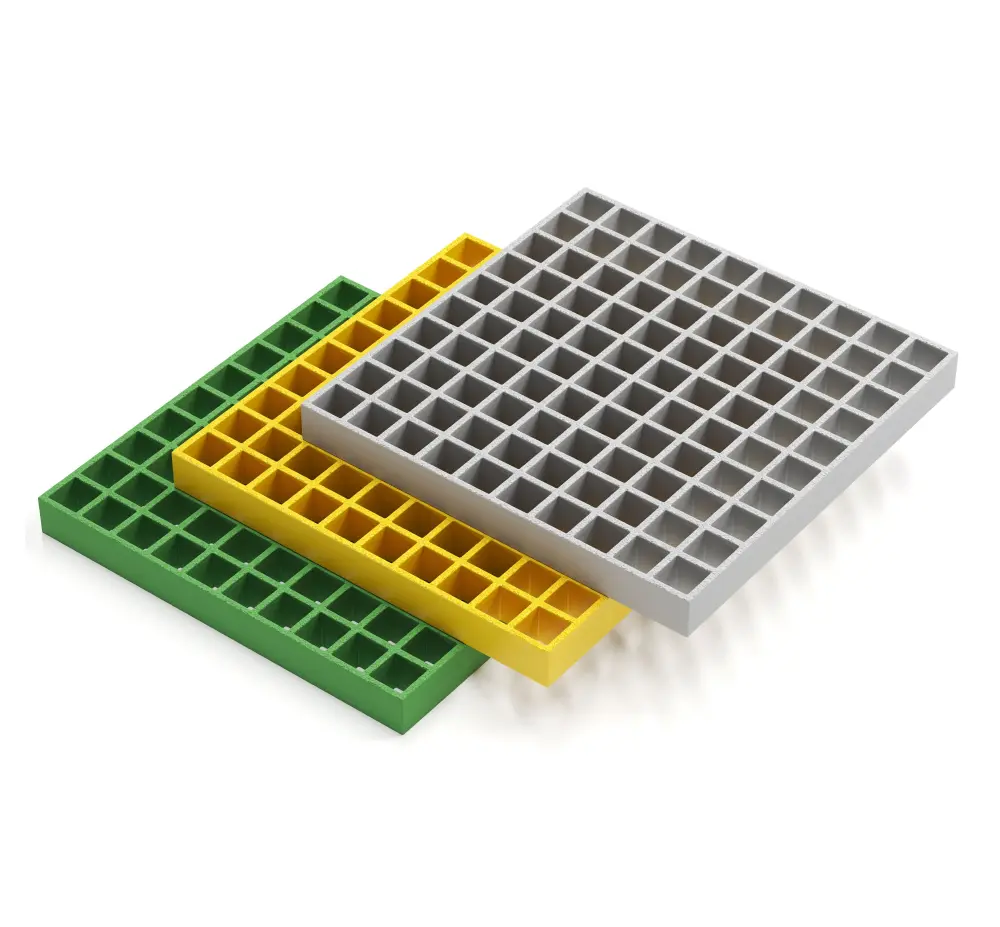
A published FRP grating price list is a document — typically provided by manufacturers, distributors, or suppliers — that outlines the current pricing for various FRP grating products. It serves as a baseline reference for buyers who want to understand the cost structure before committing to a specific configuration. A typical list includes:
- Product type — molded grating, pultruded grating, or micro-mesh grating
- Resin system — polyester, vinyl ester, phenolic, or isophthalic polyester
- Panel dimensions — standard sizes such as 4 ft × 8 ft, 4 ft × 12 ft, or custom cut options
- Thickness — common options include 1 inch, 1.5 inches, and 2 inches
- Surface finish — concave surface, grit-top, or meniscus surface
- Unit pricing — listed as price per square foot or price per panel
- Quantity breaks — tiered pricing for small, medium, and bulk orders
Most manufacturers update their pricing lists quarterly or semi-annually to reflect changes in raw material costs — particularly resin and fiberglass prices, which fluctuate with global petrochemical markets. A published price list gives you a transparent starting point, but keep in mind that large-volume buyers and long-term partners often negotiate below list price.
Unlike a custom quote — which is tailored to a specific project with unique load requirements, cut-outs, and accessories — a standard price list covers off-the-shelf products. Understanding this distinction helps you decide whether a stock panel from the price list meets your needs or whether you require a customized quotation.
Typical FRP Grating Price Per Square Foot
The most common question buyers ask is: what is the typical FRP grating price per square foot? While prices fluctuate based on material specifications and market conditions, the table below provides a realistic range for standard FRP grating products as of 2026.
| Grating Type | Resin System | Thickness | Price Per Sq Ft (USD) |
|---|---|---|---|
| Molded — Standard | Polyester | 1" | $8 – $12 |
| Molded — Standard | Polyester | 1.5" | $12 – $16 |
| Molded — Premium | Vinyl Ester | 1" | $14 – $20 |
| Molded — Premium | Vinyl Ester | 1.5" | $18 – $25 |
| Pultruded — Standard | Polyester | 1" | $10 – $15 |
| Pultruded — Standard | Polyester | 1.5" | $15 – $20 |
| Pultruded — Heavy Duty | Vinyl Ester | 2" | $25 – $35 |
| Micro-Mesh | Polyester | 1" | $12 – $18 |
These ranges represent the frp grating price per square foot for standard panel sizes (typically 4 ft × 8 ft or 4 ft × 12 ft). Custom dimensions, specialized resin systems (such as phenolic or flame-retardant), and additional services like cut-outs or grit-top surfacing will increase the per-unit cost. The two primary manufacturing methods — molded and pultruded — each have distinct price characteristics, which we break down below.
Molded FRP Grating Price Range
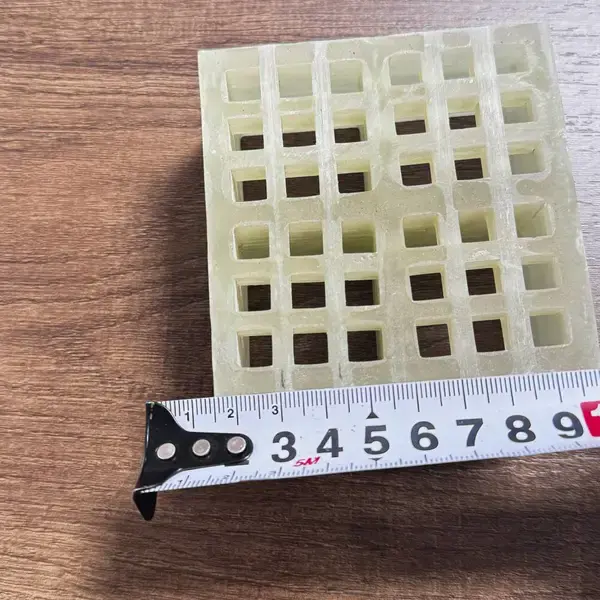
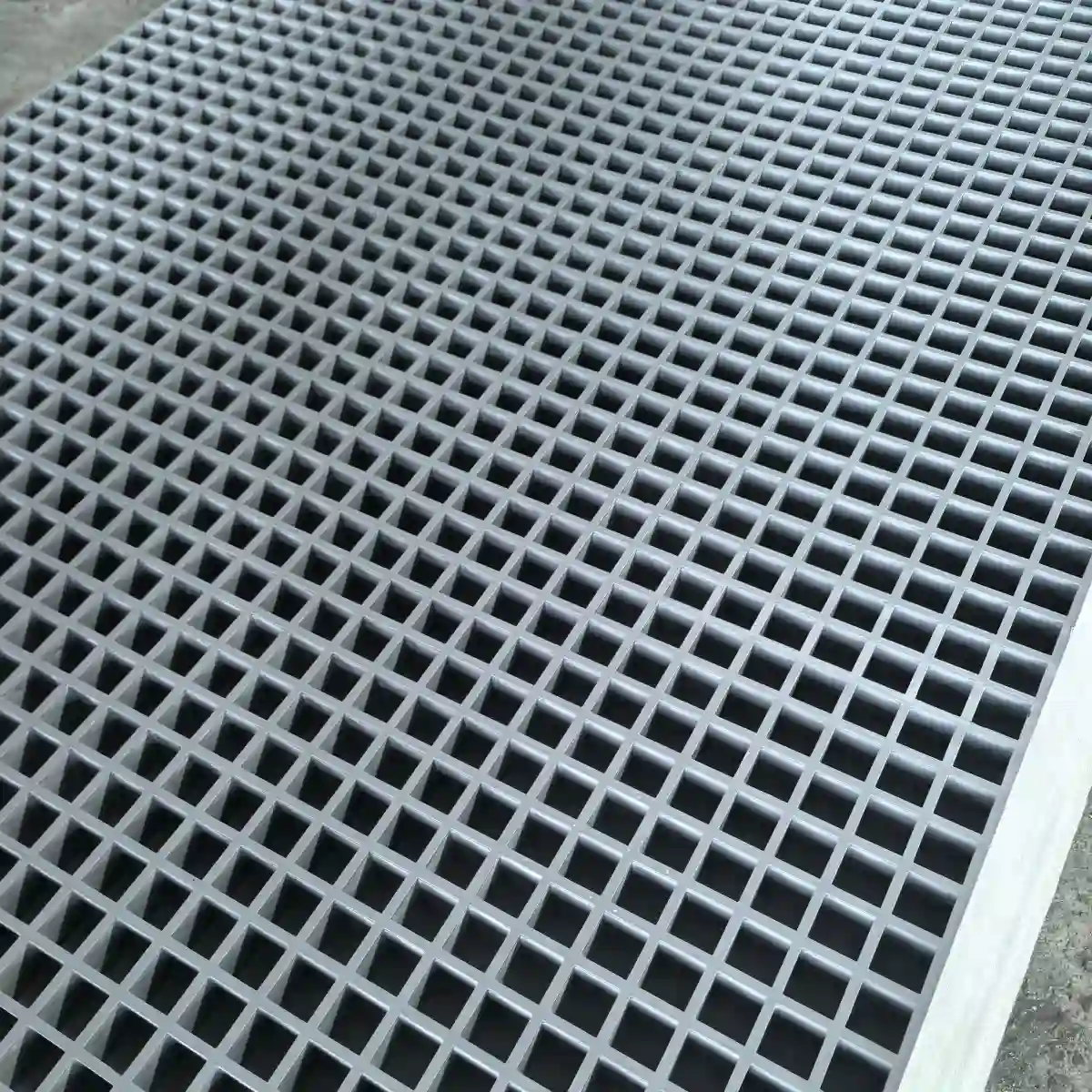
Molded FRP grating is made by pouring a mixture of resin and fiberglass into a mold and curing it under heat. This process creates a one-piece panel with an integral surface texture. Because molded grating is produced in standard molds, it tends to be more economical than pultruded grating at lower thicknesses.
- Polyester resin, 1-inch thick: $8 – $12 per square foot — the most budget-friendly option for general industrial flooring where moderate corrosion resistance is acceptable
- Polyester resin, 1.5-inch thick: $12 – $16 per square foot — offers higher load capacity while remaining cost-effective
- Vinyl ester resin, 1-inch thick: $14 – $20 per square foot — recommended for environments with exposure to acids, caustics, and organic solvents
- Vinyl ester resin, 1.5-inch thick: $18 – $25 per square foot — premium corrosion resistance with higher structural capacity
Molded grating typically has a higher frp grating panel price than pultruded when comparing the same resin and thickness, but it offers superior stiffness in certain applications and a more uniform surface. The price difference narrows when you add grit-top surfacing or flame-retardant additives to pultruded grating.
Pultruded FRP Grating Price Range
Pultruded FRP grating is manufactured by pulling continuous fiberglass strands through a resin bath and then through a heated die to form individual load-bearing bars, which are later assembled into a panel. This process produces panels with higher strength-to-weight ratios and allows for longer unsupported spans.
- Polyester resin, 1-inch thick: $10 – $15 per square foot — comparable to molded but with greater directional strength
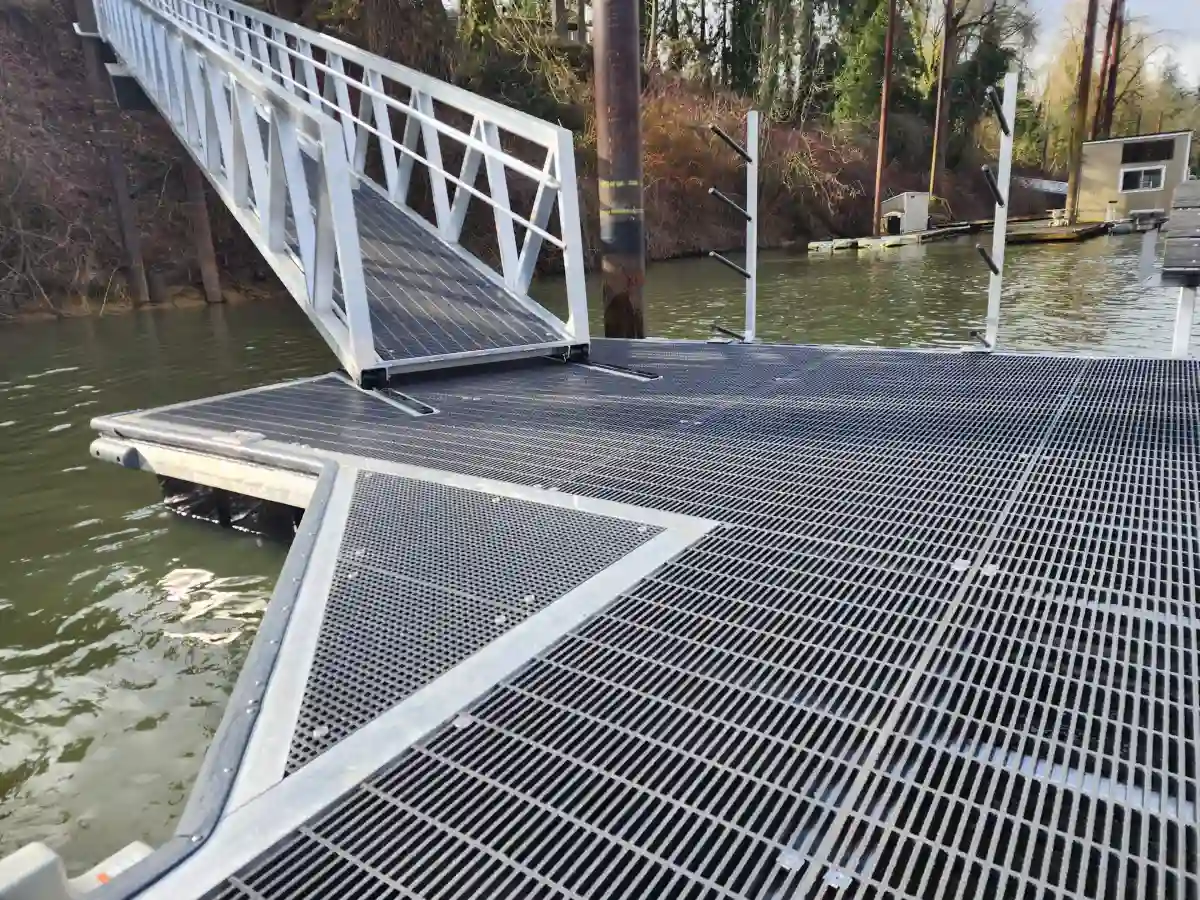
- Polyester resin, 1.5-inch thick: $15 – $20 per square foot — commonly used for walkways, platforms, and trench covers
- Vinyl ester resin, 1.5-inch thick: $20 – $28 per square foot — for corrosive environments requiring high structural integrity
- Heavy duty, 2-inch thick (vinyl ester): $25 – $35 per square foot — for vehicular traffic, heavy equipment platforms, and high-load industrial areas
Pultruded grating generally commands a premium over molded grating for the same resin system due to its higher glass-to-resin ratio, which delivers better mechanical properties. However, for projects requiring long spans or point loads, the higher frp grating panel price of pultruded grating is often justified by its superior performance and longer service life.
Key Factors That Affect FRP Grating Price List Pricing
Why do FRP grating prices vary so much between different suppliers and product configurations? The answer lies in several interrelated factors that influence both manufacturing cost and market pricing. Understanding these variables — and how they affect the overall cost — empowers you to make informed trade-offs between performance and budget.
Below we examine the four most significant factors that determine what you will pay: the resin system and material quality, panel dimensions and load rating, surface finish options, and the quantity you order. Each of these can shift the per-square-foot cost by 30 % or more, so knowing where your project requirements fall on each dimension helps you avoid over-specifying — and overpaying.
Resin Type and Material Quality
The resin system is the single largest cost driver in any frp grating cost estimate. Different resins provide varying levels of corrosion resistance, fire retardance, and mechanical strength — and their prices reflect these performance differences:
- Polyester resin — the most economical option, suitable for mild chemical exposure and general industrial environments. Adds $0 – $2 per square foot over baseline.
- Isophthalic polyester resin — a mid-range upgrade with improved corrosion resistance and better UV stability. Adds $2 – $4 per square foot.
- Vinyl ester resin — premium corrosion resistance against acids, bleaches, and organic solvents. Commonly used in chemical processing, pulp and paper, and wastewater treatment. Adds $5 – $10 per square foot over polyester.
- Phenolic resin — fire-resistant with low smoke emission, required for mining, offshore platforms, and tunnel applications. Adds $8 – $15 per square foot.
Always match the resin to your actual exposure conditions. Specifying vinyl ester when polyester would suffice unnecessarily inflates your frp grating cost estimate by 30–50 %. Request a resin compatibility chart from your supplier to confirm the minimum required resin grade for your chemical environment.
Panel Size, Thickness, and Load Rating
Larger panels and thicker profiles require more raw material and longer production cycles, which directly increases cost. Here is how size and thickness affect pricing:
- Panel thickness: Moving from 1-inch to 1.5-inch thickness typically adds 30–50 % to the per-square-foot price. A 2-inch heavy-duty panel can cost 2–3 × more than a standard 1-inch panel.
- Panel dimensions: Standard 4 ft × 8 ft panels are the most economical because they maximize mold utilization. Non-standard sizes (e.g., 5 ft × 10 ft or custom widths) may incur a 10–20 % surcharge due to reduced manufacturing efficiency.
- Load rating requirements: Higher load ratings (e.g., H-25 or MS-65 for vehicle traffic) require deeper bearing bars in pultruded grating or thicker cross-sections in molded grating, both of which increase material usage and cost.
When reviewing supplier pricing, check whether the listed pricing applies to standard stock sizes or if custom dimensions carry additional charges. Many suppliers offer better per-square-foot rates on full panels versus cut-to-size pieces, so ordering in full-panel increments can reduce your overall cost.
Surface Finish and Grit Coating
The surface finish of FRP grating affects both slip resistance and cost. The three common options are:
- Concave surface (standard): Included in the base price. Provides moderate slip resistance through a textured pattern molded into the surface. Suitable for general industrial walkways where occasional wet conditions occur.
- Grit-top surface: A layer of silica or aluminum oxide grit is embedded into the top surface during manufacturing, delivering superior slip resistance. Adds $2 – $4 per square foot. Often required in food processing, marine environments, and areas with frequent oil or grease exposure.
- Meniscus surface: A smooth, rounded surface that is easy to clean and resists debris buildup. Adds $1 – $3 per square foot; popular in pharmaceutical and clean-room applications.
Your cost estimate should account for these surface options early in the selection process. Grit-top is the most common upgrade and represents a relatively small percentage of total project cost relative to the safety benefits it provides. However, if slip resistance is not critical, sticking with the standard concave surface keeps your price at the base rate.
Order Quantity and Bulk Discounts
Order volume is one of the most powerful levers you can pull to reduce your per-unit cost. Most suppliers structure their published pricing with tiered pricing based on total square footage or panel count:
- Small orders (under 500 sq ft): You will typically pay the full list price with little or no discount. Per-piece shipping and handling fees apply.
- Medium orders (500 – 2,000 sq ft): Expect 5–10 % off list price. Freight costs are often shared or reduced per unit.
- Large orders (2,000 – 5,000 sq ft): Discounts of 10–15 % are common. Suppliers may offer free or reduced shipping for full truckload quantities.
- Bulk orders (5,000+ sq ft): Negotiated pricing at 15–25 % below list. Custom resin runs and dedicated production slots become available.
If your project requires less than 500 square feet, consider consolidating with other departments or scheduling phased deliveries from a single purchase order to reach a higher discount tier. Always ask suppliers whether their volume breaks and what quantity qualifies for the maximum discount.
How to Get an FRP Grating Price List from Manufacturers
Obtaining current pricing from FRP grating manufacturers is relatively straightforward if you know where to look and how to ask. Most reputable suppliers provide pricing documentation upon request, and many now offer downloadable price lists on their websites. Below are the most effective channels for sourcing up-to-date pricing information.
Requesting Quotes via Online Forms and Email
The most direct way to get a price list is to contact manufacturers through their official channels. Here is a step-by-step approach:
- Visit manufacturer websites — Look for a "Request a Quote" or "Download Price List" section. Many top FRP grating manufacturers, including Bedford Reinforced Plastics, Strongwell, and Fibergrate, offer PDF price sheets that you can access immediately after filling out a short form.
- Prepare your specifications — Before reaching out, have your project requirements ready: total square footage, grating type (molded or pultruded), resin preference, thickness, dimensions, and any special features (grit-top, cut-outs, fire rating). Suppliers can provide a more accurate price list when they know what you need.
- Request pricing via email — Send a clear, professional inquiry to the sales department. Include your company name, project location, delivery timeline, and the specifications listed above. Most suppliers respond within 24–48 hours with a tailored price list or quotation.
- Ask about distributor partnerships — Some manufacturers sell exclusively through distributors. If the manufacturer directs you to a local distributor, that distributor can provide the manufacturer official price list plus any locally applicable pricing adjustments.
When requesting a price list, always ask: "Do you have a published price list for standard products, or do you provide custom quotes only?" This clarifies whether the supplier operates on a published pricing model or a project-by-project quotation basis.
Using B2B Platforms and Online Directories
If you prefer to browse pricing without direct sales contact, several online platforms aggregate FRP grating pricing from multiple suppliers:
- Alibaba and Made-in-China — These B2B marketplaces list thousands of FRP grating products with unit prices, minimum order quantities, and supplier ratings. Pricing here is often lower than Western manufacturers, but you must account for shipping costs, import duties, and longer lead times.
- ThomasNet and IndustrialSupply — North American directories that list verified suppliers with contact information and product catalogs. Many listings include links to downloadable pricing sheets.
- GlobalSpec — An engineering-focused directory where you can compare FRP grating specifications side by side and request quotes from multiple suppliers simultaneously.
- Industry trade associations — Organizations like the American Composites Manufacturers Association (ACMA) maintain member directories that include FRP grating producers and their product offerings.
When using online directories, always verify the date of the pricing information — costs can change quarterly based on resin prices. Look for pricing published within the last 3–6 months for the most accurate cost estimate.
FRP Grating Price List vs Custom Quote: What Is the Difference?
A common point of confusion for buyers is the difference between published pricing sheets and custom quotes. Both serve a purpose, but they apply to different purchasing scenarios.
| Aspect | FRP Grating Price List | Custom Quote |
|---|---|---|
| Scope | Standard, off-the-shelf products | Tailored to specific project requirements |
| Pricing | Fixed per-unit prices with tiered volume breaks | Negotiated pricing based on project complexity |
| Lead time | Stock items ship in 1–3 weeks | Custom fabrication may take 4–8 weeks |
| Customization | Limited to standard sizes and configurations | Full customization — dimensions, cut-outs, resin, finish |
| Minimum order | No minimum or low minimum (1–10 panels) | Often requires higher minimum quantities |
| Best for | Routine projects, replacements, small installations | Complex projects with unique load or corrosion requirements |
A published price list is ideal when your project can use standard panel sizes and configurations. You get transparent, comparable pricing across suppliers and faster delivery since stock items are readily available.
A custom quote becomes necessary when your project requires non-standard dimensions, specialized cut-outs for piping or equipment, unique resin systems not offered in standard production, or additional services like drop-in panels, clips, and fasteners. Custom quotes take longer to prepare and fulfill but deliver a product that exactly matches your engineering specifications.
Most buyers use a combination: they review price lists for baseline cost comparison, then request custom quotes for the specific items that deviate from standard configurations. This approach ensures you are not overpaying for standard panels while still getting the right solution for specialized areas.
How to Find the Best FRP Grating Price List for Bulk Orders
Securing the best pricing for bulk orders requires more than just picking the lowest-priced supplier. Here is a systematic approach to optimize your bulk procurement:
1. Source Multiple Price Lists
Request price lists from at least three to five suppliers. Include a mix of large manufacturers (Strongwell, Fibergrate, Bedford), regional producers, and international suppliers (Chinese and Indian manufacturers often offer competitive pricing for bulk orders). This gives you a comprehensive view of the market range.
2. Compare Total Delivered Cost
Unit price is only part of the equation. Calculate the total delivered cost by adding:
- Product cost per square foot × total square footage
- Shipping and freight charges (FOB factory vs. delivered)
- Import duties and customs brokerage (for international suppliers)
- Packaging and crating fees
- Payment terms and financing costs
A supplier with a slightly higher panel price may end up being more economical if they offer free shipping or are located closer to your project site.
3. Negotiate Volume Breaks
Most suppliers publish tiered pricing, but the published tiers are not always final. For bulk orders exceeding 5,000 square feet, ask suppliers to customize a pricing tier specifically for your order volume. Frame the negotiation around a long-term partnership if your organization has ongoing grating needs.
4. Consider Consolidated Purchasing
If your immediate order is below the bulk threshold, combine it with future planned orders or partner with other buyers in your industry. Some suppliers allow accumulating orders over a 6–12 month period to qualify for bulk pricing.
5. Ask About Surplus or Secondary Stock
Occasionally, manufacturers have overruns, cancelled-order stock, or secondary-grade panels at significantly reduced prices — often 30–50 % below list. While these may have cosmetic imperfections and limited warranty, they can be a cost-effective solution for non-critical applications.
Tips for Comparing FRP Grating Quotes and Saving Money
Once you have collected price lists from multiple suppliers, the next step is to compare them effectively. Here are practical tips to ensure you are making an apples-to-apples comparison and getting the best value:
Standardize the Comparison Basis
Ensure every quote is on the same basis: same resin type, same thickness, same panel size, and same surface finish. A supplier quoting $10/sq ft for polyester may seem cheaper than one quoting $14/sq ft for vinyl ester — but these are fundamentally different products. Create a comparison spreadsheet with all specifications normalized to your project requirements.
Check the Fine Print on Each Price Sheet
Look for notes and disclaimers at the bottom of each document. Key details to watch for:
- Are the prices FOB (free on board) factory or delivered to your site?
- What is the minimum order quantity for the listed pricing?
- Are cut-outs, hole drilling, or clipping included or charged separately?
- What is the lead time for the quoted pricing?
- Do the prices include packaging and crating for export shipments?
Ask about Price Validity Period
FRP grating prices are tied to resin costs, which fluctuate with crude oil prices. Ask suppliers how long their price list is valid — typically 30–90 days. If your project timeline extends beyond the validity period, request a price escalation clause or lock-in pricing with a deposit.
Request References and Sample Certifications
A low price is not a good deal if the product fails prematurely. Ask each supplier for:
- Product test reports (ASTM E84 flame spread, load test certifications)
- Customer references for similar installations
- Warranty terms and claims process
Factor in Long-Term Value, Not Just Upfront Cost
A cheaper panel price may use lower-quality resin or a lower glass-to-resin ratio, resulting in shorter service life and higher replacement costs. In corrosive environments, paying 20 % more for vinyl ester resin can extend service life by 3–5 times compared to polyester, yielding a lower total cost of ownership.
Consider Freight Consolidation
If you have multiple suppliers for different project components, consolidating freight can reduce overall shipping costs. Ask your FRP grating supplier if they can coordinate with other vendors for shared truckload shipments to your site.
Conclusion
Navigating FRP grating pricing does not have to be overwhelming. By understanding the typical price ranges — from $8–$12 per square foot for standard molded polyester grating to $25–$35 per square foot for heavy-duty pultruded vinyl ester panels — you can set realistic budget expectations from the start.
The key takeaways from this guide are:
- Know your specifications — Resin type, thickness, size, and surface finish are the four biggest cost drivers. Align these with your actual project needs rather than over-specifying.
- Compare multiple price lists — Request pricing from 3–5 suppliers and compare total delivered cost, not just unit price.
- Leverage volume — Bulk orders of 2,000+ square feet unlock significant discounts. Consolidate orders where possible.
- Distinguish price list vs. custom quote — Use published price lists for standard products and custom quotes for specialized requirements.
- Verify before buying — Check the fine print, ask about price validity, and request product certifications to ensure quality.
Ready to start sourcing? Begin by requesting pricing documents from multiple manufacturers, compare them using the framework above, and choose the supplier that offers the best balance of price, quality, and service for your specific application. A well-researched purchasing decision today will save you money and headaches for years to come.