Introduction
When it comes to industrial and commercial flooring solutions, FRP floor grating has emerged as a leading choice for facility managers, engineers, and safety officers worldwide. Fiber-reinforced polymer (FRP) grating offers a remarkable combination of strength, durability, and corrosion resistance that traditional materials simply cannot match. Whether you are designing a new manufacturing plant, upgrading a food processing facility, or looking for a reliable walkway solution, understanding this material is essential for making the right investment.
This comprehensive guide covers everything you need to know about FRP grating — from its composition and manufacturing process to installation best practices, cost factors, and maintenance requirements. We will also compare FRP against steel grating to help you determine which option best suits your specific application. By the end of this article, you will have the knowledge needed to confidently select, install, and maintain this versatile flooring system for your facility.
What Is FRP Floor Grating?
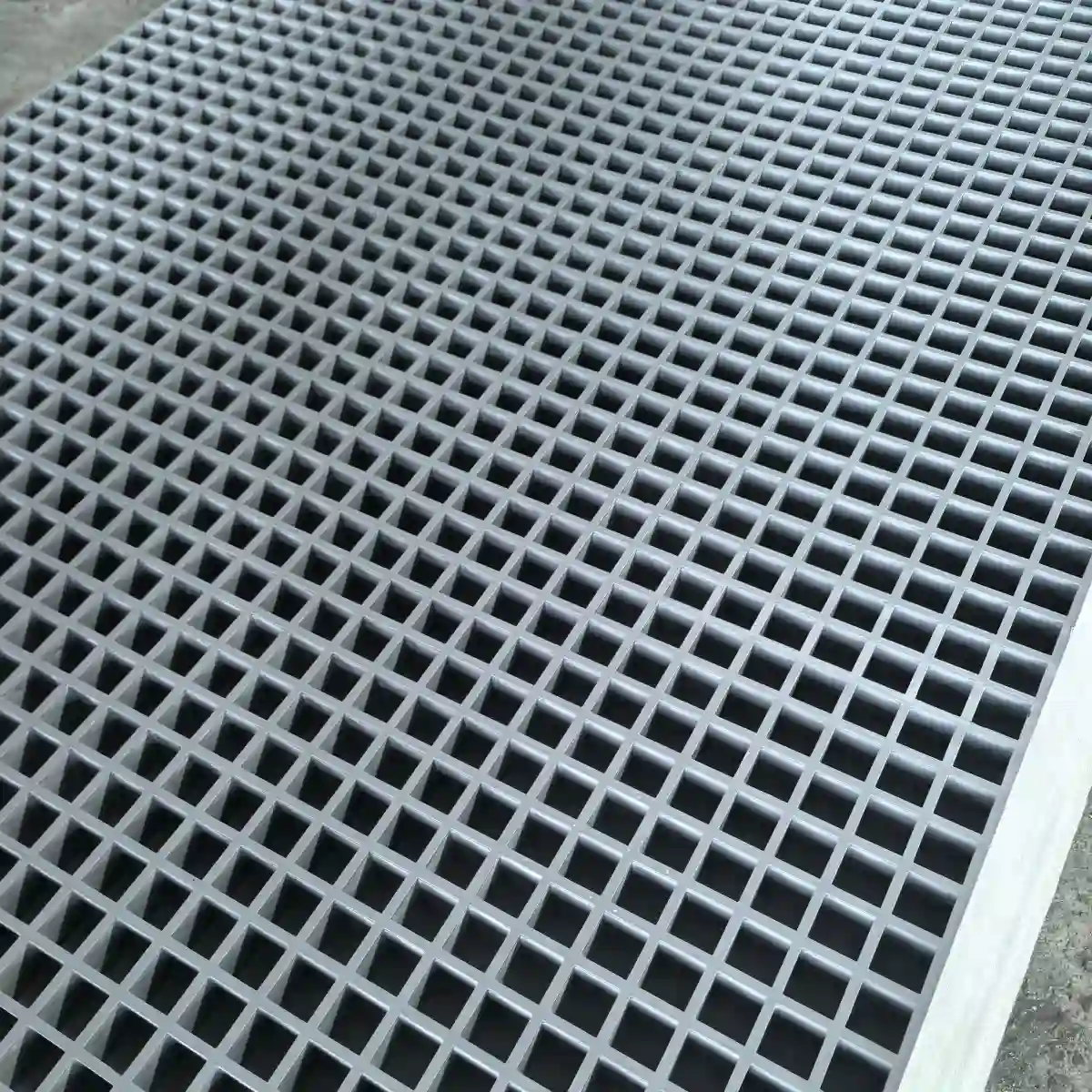
FRP floor grating is a composite material flooring system made from fiber-reinforced polymer — a combination of thermosetting resin (such as polyester, vinyl ester, or epoxy) and glass fiber reinforcements. These materials are combined through a precise molding process to create a grid-like panel with exceptional structural properties. Unlike traditional metal gratings, the resulting product is non-conductive, non-magnetic, and inherently resistant to corrosion, making it an ideal choice for environments where these characteristics are critical.
The finished product is a lightweight yet remarkably strong flooring solution that can support heavy loads while providing excellent slip resistance. FRP grating is available in a variety of configurations, including molded and pultruded styles, each designed to meet specific performance requirements and load-bearing needs.
Composition and Manufacturing Process
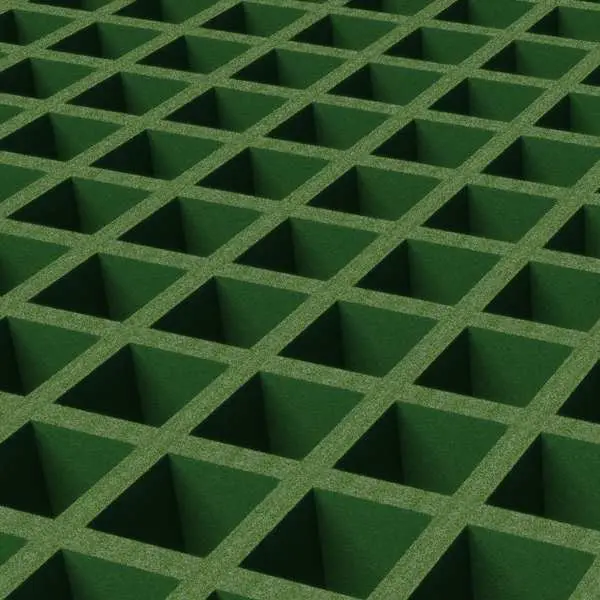
FRP floor grating is manufactured through two primary processes: compression molding and pultrusion. In the compression molding process, continuous glass fiber strands are combined with resin and placed into a heated mold under high pressure. This creates a bonded, one-piece grating panel with a uniform cross-section. Molded grating is typically square-mesh and offers excellent bi-directional strength, making it well-suited for heavy-duty applications.
Pultruded FRP grating, on the other hand, is produced by pulling resin-impregnated glass fibers through a heated die that shapes and cures the material into specific profiles. This process allows for greater design flexibility, enabling the production of grating with deeper bearing bars and higher strength-to-weight ratios. The resin systems used — whether polyester, vinyl ester, or epoxy — are carefully selected based on the chemical environment and temperature requirements of the intended application.
Standard Sizes and Specifications
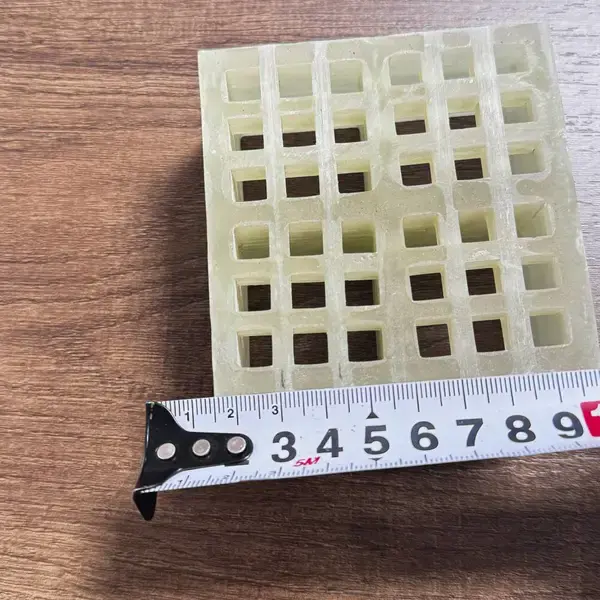
FRP floor grating panels are available in a wide range of standard sizes to accommodate diverse project requirements. Common panel dimensions include 4 ft x 8 ft (1220 mm x 2440 mm) and 4 ft x 12 ft (1220 mm x 3660 mm), with thicknesses ranging from 1 inch (25 mm) to 2 inches (50 mm). The standard mesh configurations include 1.5-inch x 1.5-inch square mesh and 1.5-inch x 6-inch rectangular mesh patterns.
The following table summarizes typical specifications:
| Specification | Typical Range |
|---|---|
| Panel Thickness | 1″ – 2″ (25 mm – 50 mm) |
| Standard Panel Size | 4′ × 8′ (1220 × 2440 mm) |
| Mesh Opening | 1.5″ × 1.5″ or 1.5″ × 6″ |
| Weight per Panel | 2.5 – 5.5 lb/ft² (12 – 27 kg/m²) |
| Resin Types | Polyester, Vinyl Ester, Epoxy |
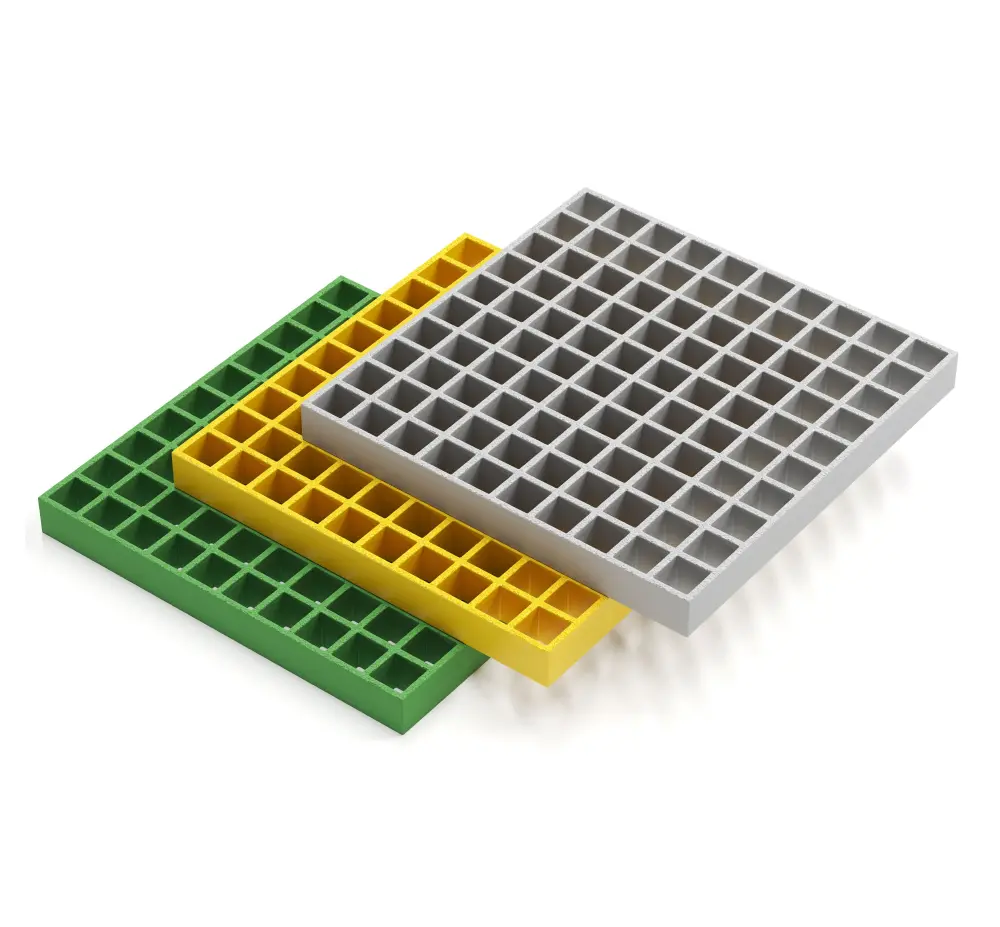
| Color Options | Yellow, Gray, Green, Orange, Red |
Custom sizes and cut-to-order panels are also available from most manufacturers. The lightweight nature of FRP — typically 75% lighter than steel — makes transportation and handling significantly easier compared to metal alternatives.
Load Capacity and Performance Ratings
The load capacity of FRP floor grating varies based on panel thickness, resin formulation, and support spacing. A standard 1.5-inch thick molded FRP grating with 12-inch support centers can typically support concentrated loads of 500 to 1,000 lbs and uniform loads exceeding 300 lb/ft². Heavy-duty configurations with 2-inch thick panels and closer support spacing can handle significantly higher loads — sometimes exceeding 2,000 lbs of concentrated load.
FRP grating is classified according to deflection criteria, typically with allowable deflection limits of L/100 or L/200 (where L is the support span). Manufacturers provide detailed load tables that specify maximum safe loads for various span configurations. It is important to consult these tables during the design phase to ensure that the selected product meets the specific load requirements. For industrial environments with forklift traffic or heavy machinery, heavy duty frp floor grating with deeper bearing bars and thicker cross-sections is recommended.
Key Benefits of FRP Floor Grating
Why choose FRP floor grating for industrial flooring? The material offers a host of advantages that make it superior to traditional metal gratings in many environments. Understanding these benefits will help you determine whether FRP is the right solution for your facility.
From safety to longevity, FRP grating delivers value across multiple dimensions — particularly in settings where corrosion, electrical hazards, or weight restrictions are a concern. Below we explore the three most compelling benefits that make it a smart investment for industrial and commercial applications.
Anti-Slip Safety Surface
Worker safety is a top priority in any industrial environment, and anti slip frp floor grating provides exceptional traction even in wet, oily, or greasy conditions. The grating surface is integrally textured during manufacturing, with a silica carbide or grit-coated top surface that delivers a high coefficient of friction. This built-in slip resistance — tested to standards such as ASTM D2047 — significantly reduces the risk of slips, trips, and falls in the workplace.
Unlike painted steel gratings where the slip-resistant coating wears off over time, the anti-slip properties of FRP floor grating are molded directly into the panel structure. This means the slip resistance lasts the entire service life of the product, requiring no reapplication or maintenance. For facilities in the food processing, pharmaceutical, or chemical industries where liquid spillage is common, anti slip frp floor grating is an essential safety feature that protects workers and helps maintain compliance with occupational safety regulations.
Heavy Duty Load-Bearing Capability
Despite being 75% lighter than steel, heavy duty frp floor grating offers impressive load-bearing capabilities that rival traditional metal gratings. Molded FRP grating with a 1.5-inch thickness can support uniform loads exceeding 300 lb/ft², while pultruded configurations with deeper bearing bars can handle even more demanding loads. This exceptional strength-to-weight ratio makes FRP floor grating an ideal choice for elevated platforms, mezzanine walkways, and trench covers where structural efficiency matters.
The load-bearing performance of heavy duty frp floor grating is made possible by the continuous glass fiber reinforcements that run through the panel. These fibers provide tensile strength comparable to steel, while the thermosetting resin matrix binds everything together and distributes loads evenly across the panel surface. For applications involving forklift traffic, heavy equipment, or concentrated point loads, heavy-duty FRP grating with thicker cross-sections and closer support spacing is recommended to ensure long-term structural integrity.
Corrosion and Chemical Resistance
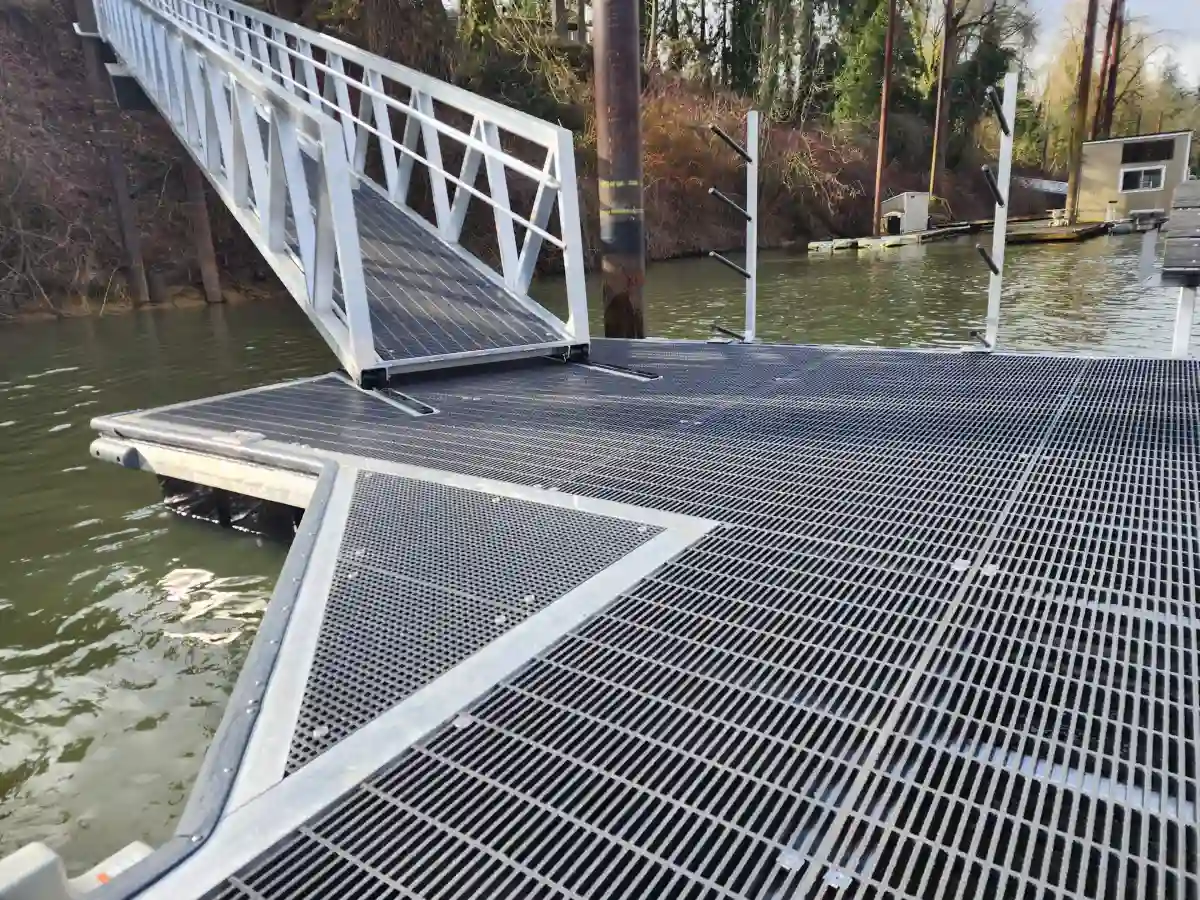
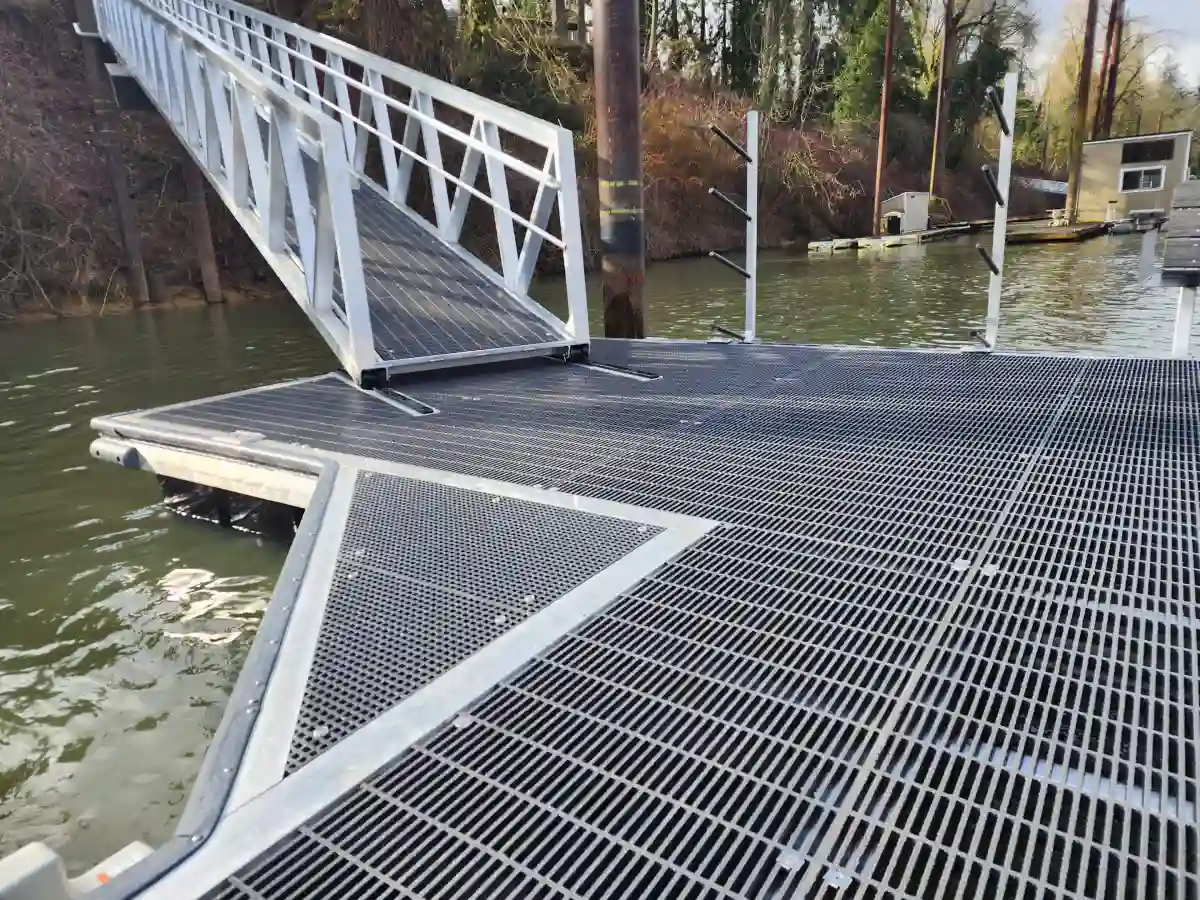
One of the standout advantages of FRP floor grating is its exceptional resistance to corrosion and chemical attack. Unlike steel, which rusts when exposed to moisture, or aluminum, which can corrode in alkaline environments, FRP is inherently resistant to a broad spectrum of chemicals including acids, alkalis, solvents, and salts. This makes it an outstanding choice for chemical processing plants, wastewater treatment facilities, marine environments, and any location where corrosive substances are present.
The corrosion resistance of FRP floor grating is determined by the resin system used in its manufacture. Vinyl ester resin offers superior chemical resistance for harsh acidic environments, while polyester resin provides cost-effective protection for less demanding conditions. Epoxy-based FRP grating delivers excellent resistance to alkaline substances and higher temperatures. Because the glass fibers are completely encapsulated within the resin matrix, there are no exposed metal surfaces to corrode, ensuring the grating maintains its structural integrity for decades — even in aggressive environments where steel grating would fail within months.
FRP Floor Grating vs Steel Grating: A Detailed Comparison
One of the most common questions engineers and facility managers ask is: FRP floor grating vs steel grating — which is better? The answer depends on the specific requirements of your application. Below is a detailed comparison of the two materials across key performance criteria.
| Factor | FRP Grating | Steel Floor Grating |
|---|---|---|
| Weight | 75% lighter than steel (2.5–5.5 lb/ft²) | Heavy (10–20 lb/ft² depending on bar size) |
| Corrosion Resistance | Excellent — inherent, no coating needed | Poor — requires galvanizing or painting |
| Strength-to-Weight Ratio | Very high — excellent for its weight | High — stronger overall but much heavier |
| Slip Resistance | Integral grit surface, lasts lifetime | Coating wears off over time |
| Electrical Conductivity | Non-conductive — safe near electrical equipment | Conductive — electrical hazard risk |
| Chemical Resistance | Resists acids, alkalis, solvents, salts | Corrodes in acidic/chemical environments |
| Initial Cost | Higher per square foot | Lower initial cost |
| Lifespan | 20+ years with minimal maintenance | 5–15 years depending on environment |
| Installation | Easy — lightweight, cuts with standard tools | Heavy — requires lifting equipment |
| Temperature Resistance | Good up to 180–220°F (82–104°C) | Excellent — handles extreme heat |
For industrial use, FRP floor grating vs steel grating comparisons typically favor FRP in environments with corrosive chemicals, moisture, electrical equipment, or strict safety requirements. Steel grating, however, remains the better choice for extremely high-temperature applications (above 220°F) or where unmodified initial material cost is the primary decision factor. Over the full lifecycle, FRP grating often proves more economical when factoring in maintenance, replacement, and downtime costs.
Common Applications of FRP Floor Grating
FRP grating is incredibly versatile and finds use across a wide spectrum of industries. Its unique combination of strength, corrosion resistance, and safety features makes it suitable for applications where traditional materials fall short. Below we explore the most common application areas for industrial frp floor grating.
Industrial Flooring and Walkways
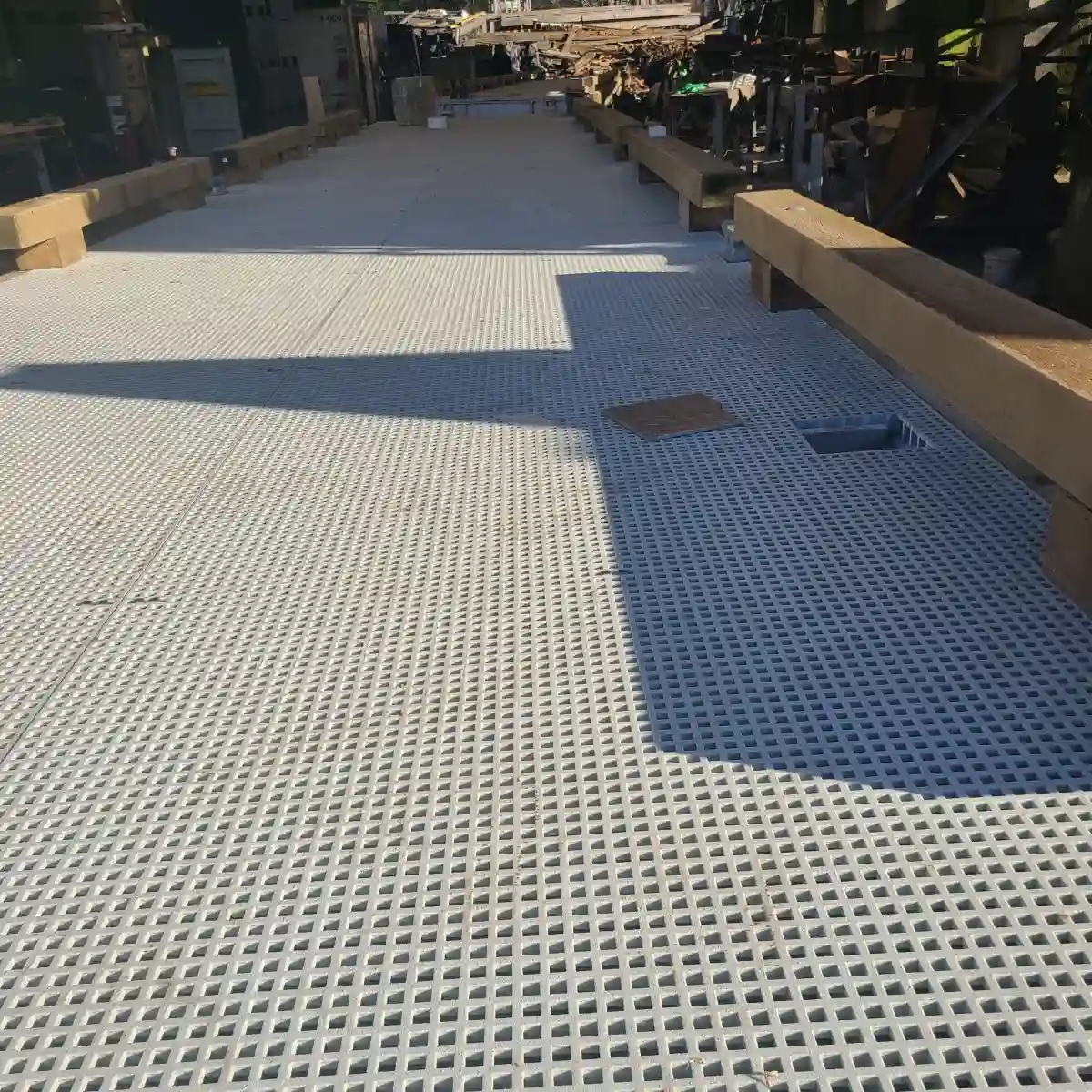
The most widespread use of FRP grating is in industrial flooring and walkway systems. Industrial frp floor grating provides safe, durable access in manufacturing plants, refineries, power generation facilities, and chemical processing units. The open-mesh design allows light, air, and water to pass through, reducing the accumulation of debris and minimizing the risk of slips. It also prevents the buildup of hazardous gases in environments where flammable vapors may be present.
Catwalks, mezzanine flooring, platform access, and stair treads are among the most common installations. The lightweight nature of industrial FRP grating means that elevated structures require less structural steel support, reducing overall project costs. Additionally, its non-conductive property makes it ideal for electrical substations, battery rooms, and telecommunications facilities where electrical safety is paramount.
Food Processing Plants
Yes, FRP grating is highly suitable for food processing plants. In fact, it is one of the preferred flooring solutions in this industry due to its corrosion resistance, ease of cleaning, and compliance with food safety regulations. Food processing facilities involve frequent washdowns with hot water, steam, and chemical sanitizers — conditions that would quickly corrode steel grating. FRP grating, however, withstands these harsh cleaning regimes without rusting or degrading.
Many food-grade FRP products are manufactured using FDA-compliant resin systems that are safe for incidental food contact. The material does not support bacterial growth, and its non-porous surface can be easily sanitized. The open-grid design allows debris and liquids to fall through, keeping the walking surface cleaner and reducing the risk of contamination. For these reasons, FRP grating is widely used in meat processing plants, breweries, dairies, bakeries, and beverage production facilities throughout the food and beverage industry.
Manufacturing Facilities
FRP floor grating for manufacturing facilities is a natural fit given the material strength, safety characteristics, and durability. Assembly lines, machine platforms, warehouse mezzanines, and inspection walkways all benefit from FRP gratings combination of light weight and high strength. In automotive manufacturing plants, FRP grating is commonly used on paint shop floors where chemical resistance to solvents and paint thinners is essential.
Manufacturing environments often expose flooring to lubricants, cutting fluids, hydraulic oils, and cleaning chemicals — all of which can degrade metal grating over time. FRP grating for manufacturing remains unaffected by these substances, maintaining its structural integrity and appearance for years. The slip-resistant surface also reduces workplace accidents in areas where oil or coolant spills are common. Additionally, because FRP does not spark when struck, it is safe for use in manufacturing areas where flammable materials or explosive dusts are present.
How to Install FRP Floor Grating
Installing FRP floor grating is a straightforward process that can be completed with standard tools and minimal specialized equipment. The lightweight nature of FRP — typically 75% lighter than steel — makes handling and positioning significantly easier compared to metal alternatives. Below we cover the key aspects of installation, from concrete subfloor preparation to cutting, fastening, and support requirements.
Proper installation is essential to ensure the grating performs as designed and delivers its full service life. Following manufacturer guidelines and industry best practices will result in a safe, durable flooring system that meets all load and safety requirements.
Installation on Concrete Subfloors
When installing FRP floor grating on concrete subfloors, surface preparation is critical. The concrete must be clean, level, and free of debris before installation begins. Start by sweeping and pressure-washing the area to remove dirt, oil, and loose particles. Any uneven areas should be patched with suitable concrete repair compound to ensure the grating sits flat and receives uniform support.
For installations over concrete, a perimeter support frame or continuous bearing surface is recommended. The concrete surface should provide full support along all edges of the grating panels. If the grating is being installed over a trench or pit, ensure that the bearing surfaces are level and have sufficient width — typically a minimum of 1 inch (25 mm) of bearing on each side. Anchor bolts or expansion shields can be used to secure the grating directly to the concrete, with stainless steel or FRP fasteners recommended for corrosion resistance. A neoprene or rubber pad between the grating and concrete can help reduce vibration and prevent abrasive wear at contact points.
Cutting and Fabrication Tips
One of the major advantages of FRP floor grating is the ease with which it can be cut and modified on site. Standard power tools with carbide-tipped blades are all that is needed. For straight cuts, a circular saw or chop saw fitted with a fine-tooth carbide blade works well. For curved or irregular cuts, a jigsaw with a carbide blade is ideal. Always wear appropriate personal protective equipment, including a dust mask and safety glasses, as FRP dust can be irritating to the skin and respiratory system.
When cutting FRP floor grating, support the panel firmly on both sides of the cut line to prevent chipping or delamination. Cut slowly and let the blade do the work — forcing the cut can cause the resin to crack or the fibers to fray. After cutting, smooth any rough edges with a file or sandpaper to remove sharp fiber ends. Holes for fasteners should be drilled using carbide-tipped drill bits, with a diameter approximately 1/16 inch larger than the fastener to allow for thermal expansion and contraction.
Fastening and Support Systems
Proper fastening is essential to keep FRP grating securely in place and prevent movement under load. The most common fastening methods include hold-down clips, counter-sunk screws, and through-bolting. Stainless steel fasteners are recommended for most applications due to their corrosion resistance, though FRP composite fasteners are available for environments where complete non-conductivity is required.
Support structures for FRP floor grating can be made from steel, aluminum, or FRP structural members. The support spacing depends on the grating thickness and the expected load — typically ranging from 12 inches (300 mm) for heavy-duty applications to 24 inches (600 mm) for lighter loads. Always consult the manufacturer load tables to determine proper support spacing for your specific grating configuration. Thermal expansion must also be considered; FRP expands and contracts more than steel, so a small gap (approximately 1/8 inch) should be left between panels and around perimeter structures to accommodate dimensional changes.
Cost Considerations: How Much Does FRP Floor Grating Cost?
One of the first questions buyers ask is: how much does FRP floor grating cost per square foot? The answer varies depending on several factors, including panel thickness, resin type, mesh configuration, and quantity ordered. Generally, standard molded FRP grating costs between $15 and $40 per square foot, with heavy-duty and custom configurations at the higher end of the range.
Here is a breakdown of typical cost ranges based on common specifications:
| Configuration | Typical Cost per ft² | Common Applications |
|---|---|---|
| 1.5″ Molded (Polyester) | $15 – $25 | General industrial walkways, platforms |
| 1.5″ Molded (Vinyl Ester) | $20 – $30 | Chemical plants, wastewater treatment |
| 2″ Heavy Duty Molded | $25 – $40 | Forklift traffic, heavy equipment areas |
| Pultruded (Custom) | $30 – $50 | Long-span applications, high-load areas |
While the upfront cost of FRP grating is higher than steel, the total cost of ownership over the product lifecycle is often lower. Steel grating requires regular painting, galvanizing repairs, and eventual replacement — particularly in corrosive environments. FRP grating, by contrast, requires very little maintenance and can last 20 years or more with minimal intervention. When factoring in installation labor, reduced downtime, and elimination of replacement cycles, this flooring solution frequently delivers a lower total cost over its service life than steel alternatives.
Cleaning and Maintenance Guide
One of the most attractive features of FRP grating is its low maintenance requirement. Unlike steel, which needs regular painting and corrosion treatment, FRP grating is virtually maintenance-free under normal conditions. However, following a simple cleaning and maintenance routine will help maximize its service life and keep it looking and performing like new.
How to clean and maintain FRP floor grating
Routine cleaning is straightforward: hose down the grating with water to remove loose debris, and scrub with a stiff-bristle brush and mild detergent for more stubborn dirt. For oil and grease buildup, a degreasing agent can be applied and rinsed off. Pressure washing at moderate pressure (under 3,000 PSI) is also effective for deep cleaning. Avoid using harsh solvents or abrasive cleaning tools that could damage the resin surface.
Periodic inspections should be conducted to check for loose fasteners, damaged bars, or signs of wear. Any damaged panels should be replaced promptly to maintain structural integrity. Because FRP does not rust or rot, there is no need for painting, coating, or chemical treatment over the life of the product. This makes the maintenance process a simple, cost-effective task that any facility maintenance team can handle.
Conclusion
FRP floor grating is a superior flooring solution for a wide range of industrial and commercial applications. Its unmatched combination of corrosion resistance, lightweight strength, anti-slip safety, and long service life makes it an excellent investment for facilities that demand performance and durability. Whether you need industrial frp floor grating for a chemical processing plant or frp floor grating for manufacturing facilities, this material delivers reliable, long-lasting results.
When comparing FRP floor grating vs steel grating, the decision comes down to your specific requirements. For corrosive environments, electrical safety needs, weight-sensitive structures, and long-term value, FRP is the clear winner. While the initial investment may be higher, the total cost of ownership over 20+ years makes it a cost-effective choice that pays for itself through reduced maintenance and replacement costs.
Ready to explore FRP grating for your next project? Contact our team for expert guidance, load calculations, and custom fabrication options tailored to your specific application needs.